Scape One

Electronic
Techno
Other Electronic Music
 Viberate Rank: 283976
 Viberate Rank: 283976
 Monthly ListenersFollowers
 Subscribers
 Followers
 Followers
 FansTop Spotify Songs
| Track | 7-Day Streams | |
|---|---|---|
1 | 402 | |
2 | 270 | |
3 | 60 | |
4 | 29 | |
5 | 18 |
Top YouTube VideosMonthly ListenersFeatured in Playlists| Playlist | Followers | |
|---|---|---|
1 |  ⭕ FEEL MY BICEP PLAYLIST ⭕ Bicep | 35.06K |
2 |  Electro & IDM Science Cult | 6.19K |
3 |  Panorama Bar 2026 Marvin Jerome Grimes | 5.12K |
4 |  Fish56Octagon House Music Fish56Octagon | 3.43K |
5 |  Les Yeux Orange Mirror.FM | 3.08K |
Audience| City | Monthly Listeners | |
|---|---|---|
1 | | 59 |
2 |  | 44 |
3 |  | 39 |
4 |  | 28 |
5 | | 27 |
See full performance history, audience data, playlist activity, rankings, comparisons, and more in Viberate music analytics. Start with a free trial, then continue with a paid plan.
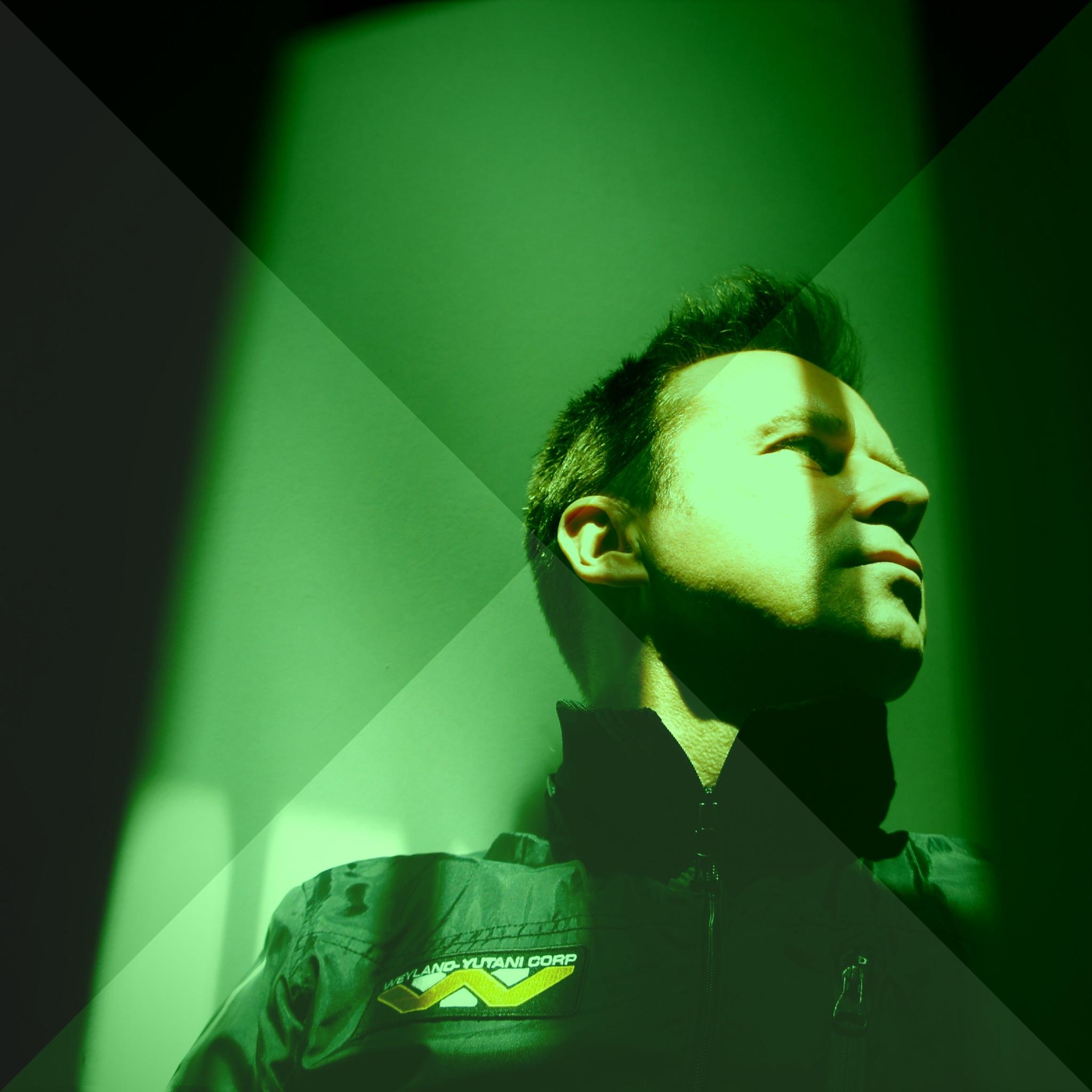
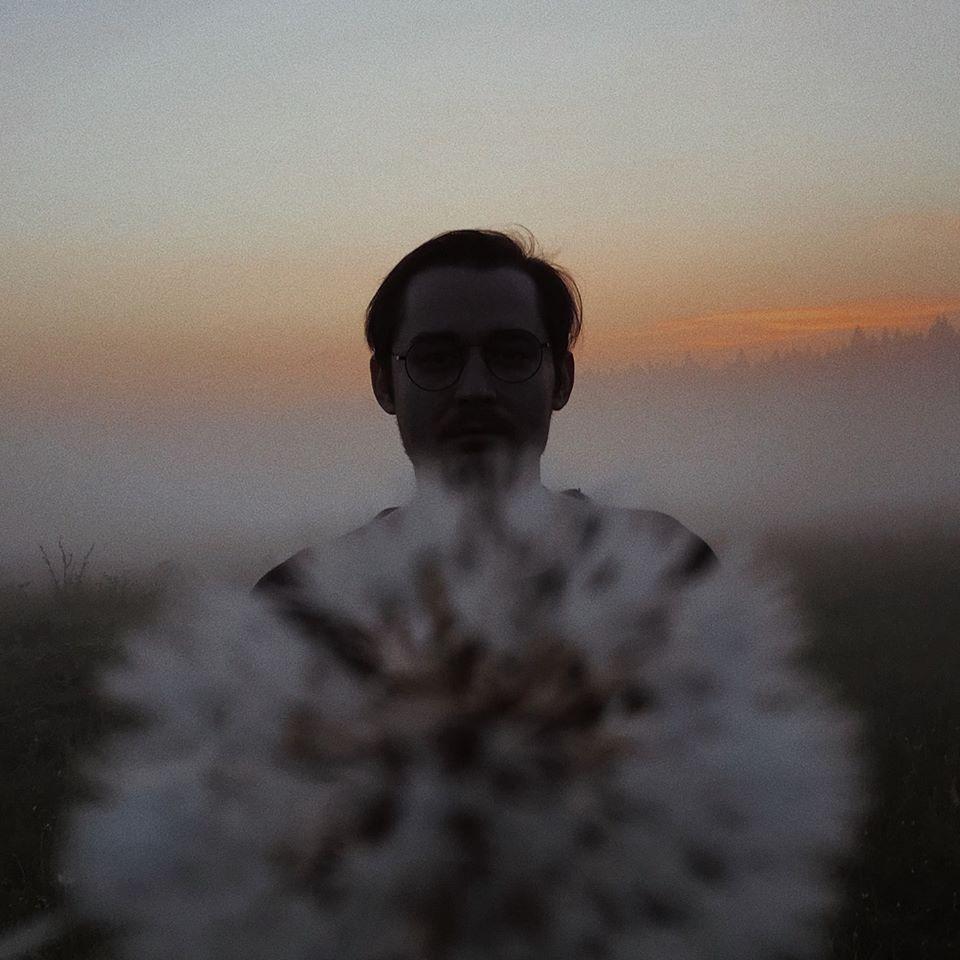
Scape One’s Spotify BioKurt Baggaley also known under the alias as Scape One is an electronic music producer based in England. Over the course of his career his music has ranged from driving futuristic electro of his early EPs to more deep and experimental ambient electronica of his Tau Sagittarii. His output has gradually become more conceptual with works such as 2012's Natural Phases which focuses on down tempo stripped down low-fi beats with wave formed harmonics to 2022's Tears in Rain a complete dedication of synths and intricate beat patterns to Blade Runner.
Kurt made his Scape One debut in 2001 with the IDM edged track Milieu featured on the Emoticon Sampler EP with it's complex and dramatic synthesizer melodies. Kurt Baggaley continued the output for various labels such as Satamile, Affected Music, Electrix, Iwari and Southern Outpost. In 2012 the EP Migration was released with minimal analog synth sequences. The EP Planetoid arrived in 2014 on the BroknToys label combining elements of electro and… Italo. Futuristic inspired productions followed in 2015 with the EP Recombination on Central Processing Unit. In 2019 he released the electro/idm EP Rain Upon the Moon. Two more Eps followed for Believe In Records called Different Worlds, Same Stories and Video Souls which combine elements of electro, deep house and ambient.
Viberate is a music analytics platform built for A&Rs, artist managers, labels, booking agents, marketers, and artists.
It helps music professionals track artist growth, analyze audience data, monitor playlist activity, compare artists, follow song performance, and identify opportunities across the music market.
Public artist pages provide a free preview of selected artist data. Paid plans provide access to deeper analytics, historical data, charts, comparisons, playlist tools, exports, alerts, reports, and additional professional features.
Yes. Public Viberate artist pages provide selected artist analytics and music data for free.
Viberate also offers a 7-day free trial of the full platform. A credit card is required to start the trial. The trial includes access to the complete product so users can test deeper artist analytics, historical views, playlist insights, comparisons, charts, exports, alerts, and reporting features before choosing a paid plan.
Viberate provides artist analytics across streaming, playlists, social media, video, radio airplay, songs, and audience markets.
Users can analyze Spotify performance, Spotify and Apple Music playlists, YouTube activity, TikTok and Instagram growth, radio spins, song performance, audience locations, demographics, rankings, and overall artist momentum.
Artist profiles also connect to music charts, similar artists, and comparison tools, helping users benchmark performance and evaluate artists in context.
Viberate updates key artist and track data daily.
For followed artists and tracks, selected data is refreshed multiple times per day. This helps teams monitor playlist changes, streaming movement, audience growth, releases, and campaign performance with more current data.
Update frequency can vary depending on the metric and data source.
Yes. Viberate lets users compare up to five artists side by side across streaming, social media, audience, and engagement metrics.
Users can compare fanbase growth, audience demographics, locations, Spotify performance, social metrics, and other artist data over selected time periods.
Artist comparison can be used for A&R scouting, benchmarking, booking decisions, campaign planning, and evaluating artists with similar audiences or market positions.