Say Anything

Punk
Pop Punk
Alternative Rock
 Viberate Rank: 36508
 Viberate Rank: 36508
 Monthly ListenersFollowers
 Subscribers
 Followers
 Followers
 FansTop Spotify Songs
| Track | 7-Day Streams | |
|---|---|---|
1 | 132.32K | |
2 | 74.76K | |
3 | 26.59K | |
4 | 13.12K | |
5 | 12.14K |
Top YouTube VideosMonthly ListenersFeatured in Playlists| Playlist | Followers | |
|---|---|---|
1 |  Essential Alternative Spotify | 846.73K |
2 |  Emo’s Not Dead Matt Cutshall | 115.81K |
3 | igor | 97.08K |
4 |  Michael's playlist 5 Seconds of Summer | 95.47K |
5 |  Pop Punk Throwback Bangers - 2000s Emo Punk Rock Hits Ray Fontaine | 89.56K |
Audience| City | Monthly Listeners | |
|---|---|---|
1 | | 10.48K |
2 | | 8.27K |
3 | | 7.94K |
4 | | 7.87K |
5 | | 6.75K |
See full performance history, audience data, playlist activity, rankings, comparisons, and more in Viberate music analytics. Start with a free trial, then continue with a paid plan.
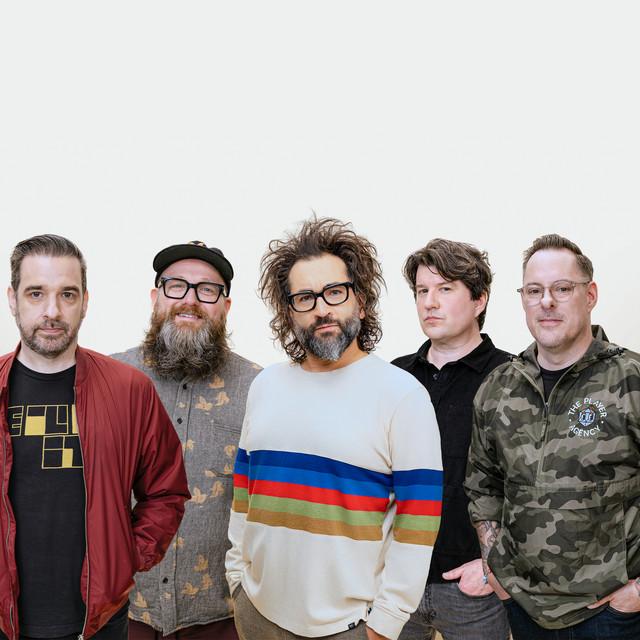
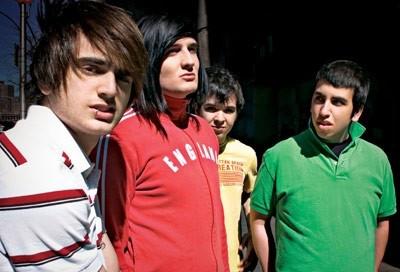
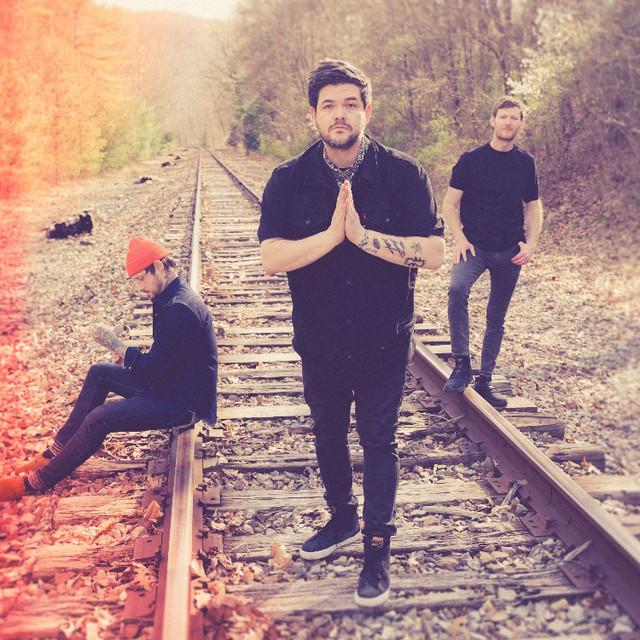
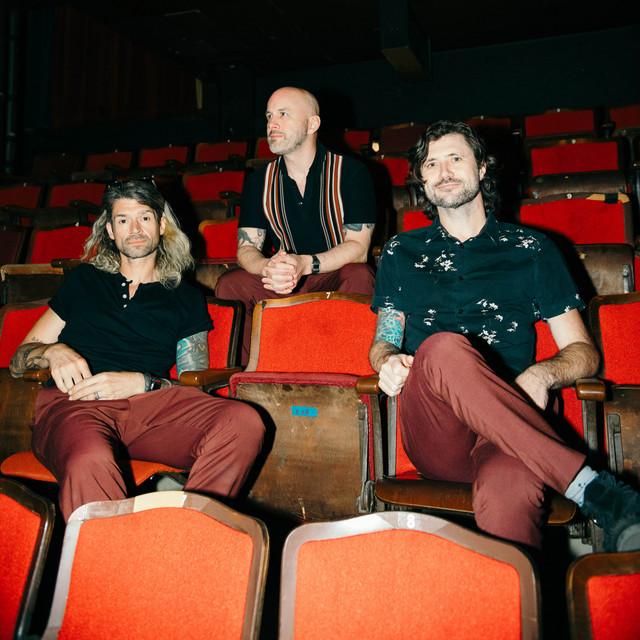
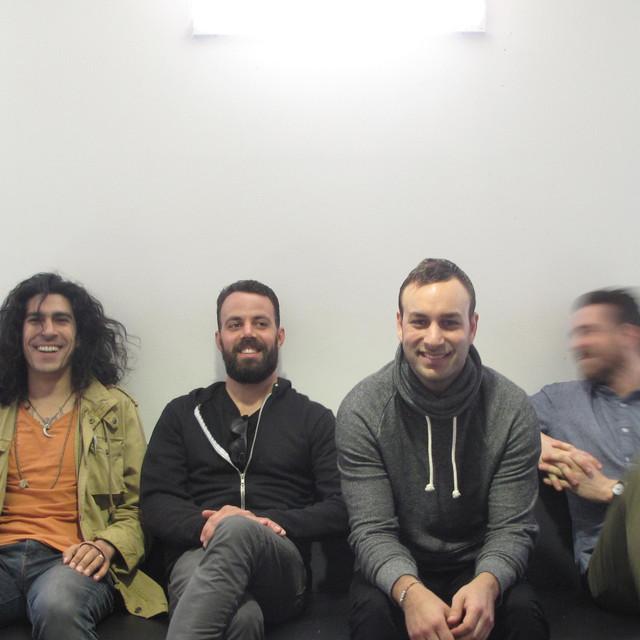
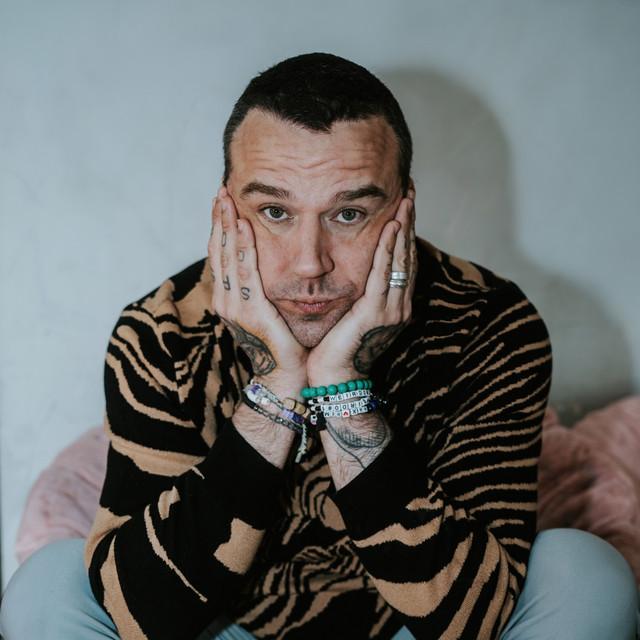
Say Anything’s Spotify BioThe pop-punk brainchild of Max Bemis, Say Anything rose to prominence in 2004 with the release of their critically acclaimed sophomore LP ...Is a Real Boy and the breakthrough single "Alive with the Glory of Love." The group continued to hone their visceral blend of emo, punk, pop, and alternative rock on chart-topping albums like Say Anything (2009) and Hebrews (2014), before ceasing operations in 2019 with the release of their eighth and final record, Oliver Appropriate. The band reunited in 2023 for a series of live shows and released a pair of singles, "Psyche" and "Are You (In) There?"
Formed in 2000, Say Anything came together while lead singer and songwriter Max Bemis and the other members were still attending high school in Los Angeles, California. Although the lineup has since featured a rotating cast of characters, Bemis remains at the band's core, spinning tales of insecurity and frustration with help from longtime drummer Coby Linder. Say Anything made their studio debut… with two self-released and self-produced EPs -- Junior Varsity! and Menorah/Majora, the latter being released online -- as well as a full-length album, 2003's Baseball. These releases saw the band leaning toward the same mix of emo, rock, and pop-punk made popular by bands like blink-182 and Saves the Day.
Bemis soon grew tired of the genre and revamped his band's sound for ...Is a Real Boy, which marked Say Anything's first release for Doghouse Records in 2004. A self-described punk rock musical, the album was fittingly produced by Tim O'Heir (Dinosaur Jr., the All-American Rejects) and Stephen Trask (Hedwig and the Angry Inch), with Bemis playing nearly every instrument.
Bemis' bipolar disorder proved to be increasingly disruptive, however, plaguing both the recording of the album and its aftermath. Struggling with crippling stress, the singer suffered a nervous breakdown that ultimately led to Say Anything's cancellation of two tours in 2005, including an opening slot with one of the band's idols, Saves the Day. Despite the setback, the band signed with J Records that same year and reissued ...Is a Real Boy in February 2006. The re-release boasted two discs, pairing the original record with a bonus EP containing demos, re-recordings of previous songs, and sessions from a never-released AIDS benefit record. A national headlining tour followed the reissue, and the single "Alive with the Glory of Love" found some success on radio and the MTV networks.
Momentum continued to build as the band toured into 2007, eventually pairing with Saves the Day for a second attempt at touring. The effort was successful this time around, and Say Anything released a two-disc concept album, In Defense of the Genre, that October.
Bemis announced plans to record a new album in early 2008, and the resulting record (a self-titled effort) arrived in late 2009, several months after Bemis and Saves the Day's Chris Conley released an album by their side project, Two Tongues. The singer returned to Say Anything in 2012 with the release of the band's fifth album, the edgy and biting Anarchy, My Dear. In 2014, Bemis opted to take an unflinching look at himself on Hebrews, an album that found the band ditching the driving guitars for dramatic string arrangements.
After a couple years of silence, Say Anything returned with a surprise album titled I Don't Think It Is, which was in February 2016, hitting 35 on Billboard's Top Rock Albums chart. August 2018 saw Bemis post a highly personal nine-page letter to fans delivering the news that Say Anything's next release would be their last. Billed as a sequel to 2004's ...Is a Real Boy, the resulting Oliver Appropriate was issued in January 2019. Bemis embarked on a solo tour shortly after the album's release.
In 2023, Say Anything reunited for appearances at Chicago's Riot Fest and the When We Were Young Festival in Las Vegas. That same year, the band released a pair of standalone singles, the pop-punk rager "Psyche" and the potent "Are You (In) There?" They also oversaw the reissue of their long out-of-print debut album, Baseball. ~ Corey Apar & Andrew Leahey, Rovi
Viberate is a music analytics platform built for A&Rs, artist managers, labels, booking agents, marketers, and artists.
It helps music professionals track artist growth, analyze audience data, monitor playlist activity, compare artists, follow song performance, and identify opportunities across the music market.
Public artist pages provide a free preview of selected artist data. Paid plans provide access to deeper analytics, historical data, charts, comparisons, playlist tools, exports, alerts, reports, and additional professional features.
Yes. Public Viberate artist pages provide selected artist analytics and music data for free.
Viberate also offers a 7-day free trial of the full platform. A credit card is required to start the trial. The trial includes access to the complete product so users can test deeper artist analytics, historical views, playlist insights, comparisons, charts, exports, alerts, and reporting features before choosing a paid plan.
Viberate provides artist analytics across streaming, playlists, social media, video, radio airplay, songs, and audience markets.
Users can analyze Spotify performance, Spotify and Apple Music playlists, YouTube activity, TikTok and Instagram growth, radio spins, song performance, audience locations, demographics, rankings, and overall artist momentum.
Artist profiles also connect to music charts, similar artists, and comparison tools, helping users benchmark performance and evaluate artists in context.
Viberate updates key artist and track data daily.
For followed artists and tracks, selected data is refreshed multiple times per day. This helps teams monitor playlist changes, streaming movement, audience growth, releases, and campaign performance with more current data.
Update frequency can vary depending on the metric and data source.
Yes. Viberate lets users compare up to five artists side by side across streaming, social media, audience, and engagement metrics.
Users can compare fanbase growth, audience demographics, locations, Spotify performance, social metrics, and other artist data over selected time periods.
Artist comparison can be used for A&R scouting, benchmarking, booking decisions, campaign planning, and evaluating artists with similar audiences or market positions.