Satelliti

Electronic
Other Electronic Music
Space Rock
Jazz Fusion
 Viberate Rank: 716438
 Viberate Rank: 716438
 Monthly ListenersFollowers
 Subscribers
 Followers
 Followers
 FansTop Spotify Songs
| Track | 7-Day Streams | |
|---|---|---|
1 | 12 | |
2 | 6 | |
3 | 5 | |
4 | 3 | |
5 | 2 |
Top YouTube VideosMonthly ListenersFeatured in Playlists| Playlist | Followers | |
|---|---|---|
1 | space rock & psychedelia Edson Alejandro Adame | 8.05K |
2 |  The Sound of Psychedelic Jazz Fusion The Sounds of Spotify | 1.57K |
3 | Late Junction (BBC Radio 3) (2014) elavraam | 1.42K |
Audience| City | Monthly Listeners | |
|---|---|---|
1 | | 5 |
2 |  | 3 |
See full performance history, audience data, playlist activity, rankings, comparisons, and more in Viberate music analytics. Start with a free trial, then continue with a paid plan.
Satelliti’s Spotify BioThe early stages of Italian duo Satelliti began in 2010 with a sequence of jam sessions between Andrea Polato on drums and Marco Dalle Luche on keyboards and electronics, fueled by the influences of techno, jazz, and Krautrock. Over time, the sessions produced a variety of recordings that they crafted from live improvisations, and those ideas would then be turned into their first release, Im Magen des Kosmos ("In the Belly of the Cosmos").
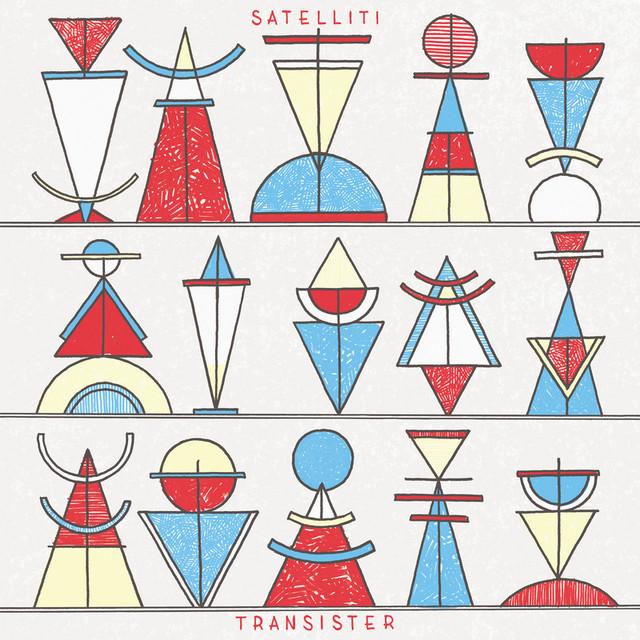
It wasn't until their second album, Transister, which was released in late 2013, that they gained recognition from a wider audience. They showcased the psychedelic side of the band with pulsating rhythms and drums, introducing elements of electronica and at points, leaning more toward their techno influences. Transister's music also drew comparisons to artists like jazz legends Miles Davis, Herbie Hancock, and their fellow countrymen Zu, and the softer moments were compared to avant-garde group Bohren & der Club of Gore. Following the release of the… album the band went on a European tour, taking the song structures of the album and reconstructing them in a live experience they described as "taking Bitches Brew to the club." ~ James Pearce
Viberate is a music analytics platform built for A&Rs, artist managers, labels, booking agents, marketers, and artists.
It helps music professionals track artist growth, analyze audience data, monitor playlist activity, compare artists, follow song performance, and identify opportunities across the music market.
Public artist pages provide a free preview of selected artist data. Paid plans provide access to deeper analytics, historical data, charts, comparisons, playlist tools, exports, alerts, reports, and additional professional features.
Yes. Public Viberate artist pages provide selected artist analytics and music data for free.
Viberate also offers a 7-day free trial of the full platform. A credit card is required to start the trial. The trial includes access to the complete product so users can test deeper artist analytics, historical views, playlist insights, comparisons, charts, exports, alerts, and reporting features before choosing a paid plan.
Viberate provides artist analytics across streaming, playlists, social media, video, radio airplay, songs, and audience markets.
Users can analyze Spotify performance, Spotify and Apple Music playlists, YouTube activity, TikTok and Instagram growth, radio spins, song performance, audience locations, demographics, rankings, and overall artist momentum.
Artist profiles also connect to music charts, similar artists, and comparison tools, helping users benchmark performance and evaluate artists in context.
Viberate updates key artist and track data daily.
For followed artists and tracks, selected data is refreshed multiple times per day. This helps teams monitor playlist changes, streaming movement, audience growth, releases, and campaign performance with more current data.
Update frequency can vary depending on the metric and data source.
Yes. Viberate lets users compare up to five artists side by side across streaming, social media, audience, and engagement metrics.
Users can compare fanbase growth, audience demographics, locations, Spotify performance, social metrics, and other artist data over selected time periods.
Artist comparison can be used for A&R scouting, benchmarking, booking decisions, campaign planning, and evaluating artists with similar audiences or market positions.