Sasha

Electronic
House
Trance
Techno
 Viberate Rank: 21804
 Viberate Rank: 21804
 Monthly ListenersFollowers
 Subscribers
 Followers
 Followers
 FansTop Spotify Songs
| Track | 7-Day Streams | |
|---|---|---|
1 | 82.80K | |
2 | 28.98K | |
3 | 18.36K | |
4 | 17.30K | |
5 | 8.26K |
Top YouTube VideosMonthly ListenersFeatured in Playlists| Playlist | Followers | |
|---|---|---|
1 |  Trance Classics Spotify | 843.58K |
2 |  Trance Top 1000 | Armada Music Armada Music | 468.54K |
3 |  ADHD Focus Music (No Lyrics) Preston | 233.23K |
4 |  IBIZA CLASSICS 🍹1990-2026 Lounge & Restaurant | 220.32K |
5 | ⭐️ 90s Club Anthems ⭐️ ES | 140.35K |
Audience| City | Monthly Listeners | |
|---|---|---|
1 | | 15.56K |
2 | | 7.42K |
3 |  | 6.62K |
4 | | 6.42K |
5 |  | 4.35K |
See full performance history, audience data, playlist activity, rankings, comparisons, and more in Viberate music analytics. Start with a free trial, then continue with a paid plan.
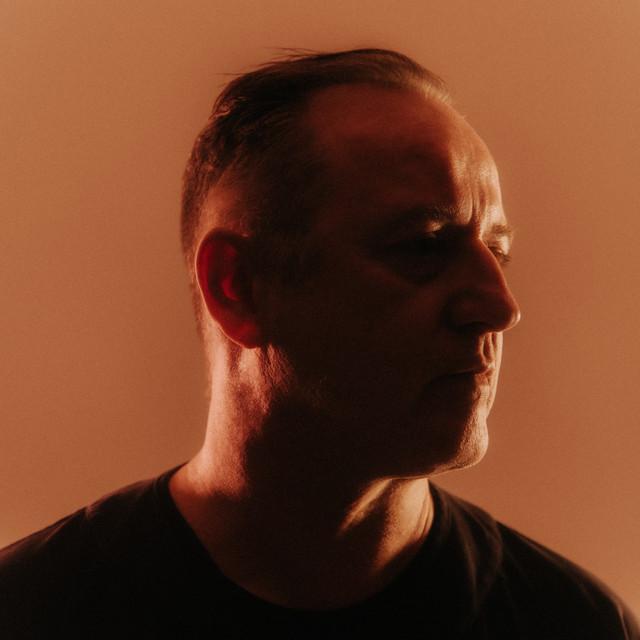
Sasha’s Spotify BioNorth Wales native Sasha became one of the world's most renowned and popular DJs, known for populist fusions of house, techno, and trance. Starting out in the late '80s as a club DJ, the former Alexander Coe got his first big break when he was hired by the dance club Shelly's to spin and rework popular sounds of the day. It was there that the young DJ found fame with the dance and house crowd, but it wasn't until he started laying down his grooves at the Haçienda and Renaissance that he become known nationally and, eventually, globally.
It was while still at Renaissance that Sasha met another DJ, John Digweed. The two became a remixing team and soon released the first volume of Northern Exposure, a series of mix albums that also functioned as a collection of the duo's remixes for other producers. The duo toured behind the release, visiting the U.S., Australia, South Africa, and Southeast Asia. Sasha refused to limit himself to DJ work, however; he collaborated with singer Maria Naylor… on the Top 20 U.K. pop hit "Be as One," and remixed tracks from such popular artists as the Pet Shop Boys, Simply Red, and M People. He also formed his own record company, Excession Recordings, and wrote originals for Deconstruction.
In late 1997, another Sasha + John Digweed compilation appeared, Northern Exposure, Vol. 2, available in both East Coast and West Coast versions (each contained completely different songs). He released several mix albums on his own, as well, including multiple volumes in the Global Underground series (San Francisco and Ibiza). A rare production release, the Xpander EP, became a dancefloor hit in 1999. The mix album Communicate followed a year later, and in 2002, he scored an American record deal with Kinetic and released his first production full-length, Airdrawndagger. His next major record project, Involver, was a fusion of mix album and production record, consisting of his own exclusive remixes of tracks from UNKLE and Ulrich Schnauss, among others. Another inclusion, Felix da Housecat's "Watching Cars Go By," was nominated for a Grammy in the category of Best Remixed Recording, Non-Classical. Subsequent volumes Invol2ver and Invol<3r were issued in 2008 and 2013. A creative departure titled Scene Delete, a flowing sequence of ambient productions, was released through LateNightTales in 2016. A remix EP, Scene Delete: Remixes #3, dropped the following year. Sasha continued to issue singles, including collaborations with Polica ("Out of Time"), Dems ("True"), and Alan Fitzpatrick ("El Jefe"), closing the decade with tracks such as 2019's "The Lights." ~ Greg Prato
Viberate is a music analytics platform built for A&Rs, artist managers, labels, booking agents, marketers, and artists.
It helps music professionals track artist growth, analyze audience data, monitor playlist activity, compare artists, follow song performance, and identify opportunities across the music market.
Public artist pages provide a free preview of selected artist data. Paid plans provide access to deeper analytics, historical data, charts, comparisons, playlist tools, exports, alerts, reports, and additional professional features.
Yes. Public Viberate artist pages provide selected artist analytics and music data for free.
Viberate also offers a 7-day free trial of the full platform. A credit card is required to start the trial. The trial includes access to the complete product so users can test deeper artist analytics, historical views, playlist insights, comparisons, charts, exports, alerts, and reporting features before choosing a paid plan.
Viberate provides artist analytics across streaming, playlists, social media, video, radio airplay, songs, and audience markets.
Users can analyze Spotify performance, Spotify and Apple Music playlists, YouTube activity, TikTok and Instagram growth, radio spins, song performance, audience locations, demographics, rankings, and overall artist momentum.
Artist profiles also connect to music charts, similar artists, and comparison tools, helping users benchmark performance and evaluate artists in context.
Viberate updates key artist and track data daily.
For followed artists and tracks, selected data is refreshed multiple times per day. This helps teams monitor playlist changes, streaming movement, audience growth, releases, and campaign performance with more current data.
Update frequency can vary depending on the metric and data source.
Yes. Viberate lets users compare up to five artists side by side across streaming, social media, audience, and engagement metrics.
Users can compare fanbase growth, audience demographics, locations, Spotify performance, social metrics, and other artist data over selected time periods.
Artist comparison can be used for A&R scouting, benchmarking, booking decisions, campaign planning, and evaluating artists with similar audiences or market positions.