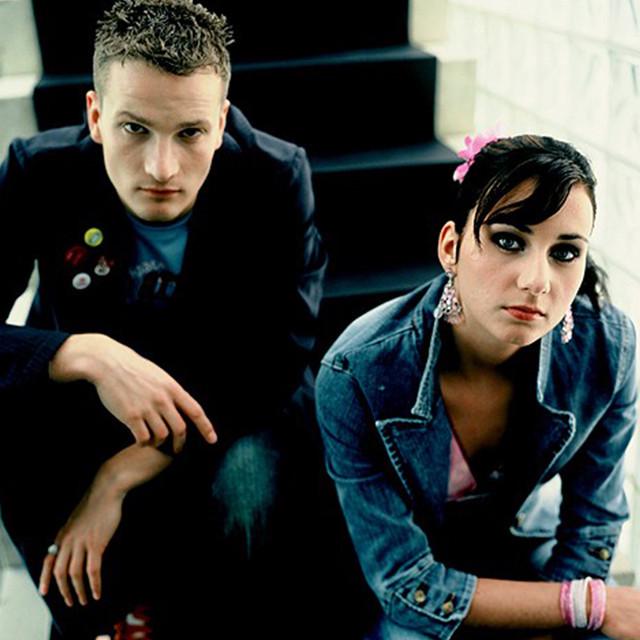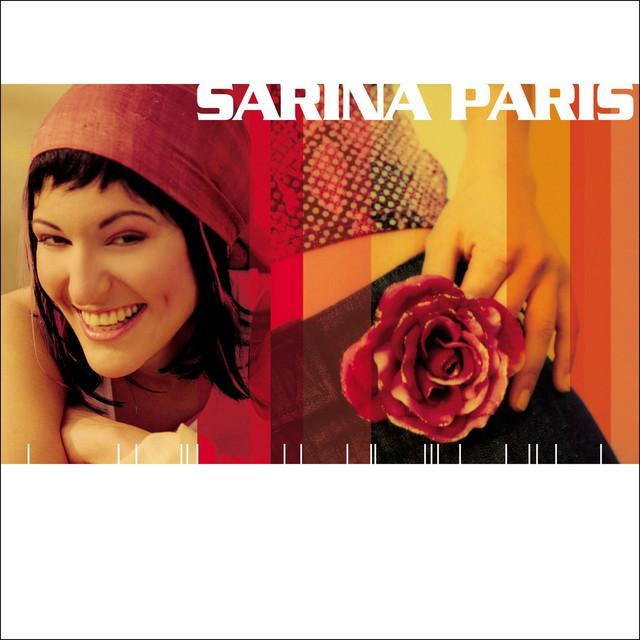
Sarina Paris

Pop
Mainstream Pop
Dance
 Viberate Rank: 196708
 Viberate Rank: 196708
 Monthly ListenersFollowers
 Subscribers
 Followers
 Followers
 FansTop Spotify Songs
| Track | 7-Day Streams | |
|---|---|---|
1 | 16.19K | |
2 | 2.68K | |
3 | 1.14K | |
4 | 752 | |
5 | 650 |
Top YouTube VideosMonthly ListenersFeatured in Playlists| Playlist | Followers | |
|---|---|---|
1 |  1990s-2000s europop!! ^_^ _zucchini_ | 48.61K |
2 |  DANCE DANCE REVOLUTION Bailey | 17.40K |
3 | DDR (Dance Dance Revolution) jusvibe | 16.86K |
4 | Vocal Trance Classics Birbman | 14.97K |
5 |  Dj boonie, dj cammy, dj rankin, dj sammy Michell Alexandra Granby | 12.48K |
Audience| City | Monthly Listeners | |
|---|---|---|
1 |  | 1.01K |
2 | | 933 |
3 | | 854 |
4 | | 702 |
5 | | 686 |
See full performance history, audience data, playlist activity, rankings, comparisons, and more in Viberate music analytics. Start with a free trial, then continue with a paid plan.
Sarina Paris’ Spotify BioCanadian dance-pop singer/songwriter Sarina Paris was born and raised in the bosom of an Italian working class family. Captivated by pop music after listening to Lionel Richie's Can't Slow Down, Sarina Paris moved to Italy in 1996 to participate in a children's project called the Gam Gam. She soon met local EMI executives who signed her up, releasing a club/dance record called Look At Us. As soon as her name began climbing the U.S. charts, Sarina Paris started touring the local club scene, signing up to Playland/Priority Records to make her self-titled debut album, featuring original songs plus Cyndi Lauper's "True Colors." In 2001, Sarina Paris was nominated for a Juno award, known as the Canadian Grammy. ~ Drago Bonacich, Rovi
Viberate is a music analytics platform built for A&Rs, artist managers, labels, booking agents, marketers, and artists.
It helps music professionals track artist growth, analyze audience data, monitor playlist activity, compare artists, follow song performance, and identify opportunities across the music market.
Public artist pages provide a free preview of selected artist data. Paid plans provide access to deeper analytics, historical data, charts, comparisons, playlist tools, exports, alerts, reports, and additional professional features.
Yes. Public Viberate artist pages provide selected artist analytics and music data for free.
Viberate also offers a 7-day free trial of the full platform. A credit card is required to start the trial. The trial includes access to the complete product so users can test deeper artist analytics, historical views, playlist insights, comparisons, charts, exports, alerts, and reporting features before choosing a paid plan.
Viberate provides artist analytics across streaming, playlists, social media, video, radio airplay, songs, and audience markets.
Users can analyze Spotify performance, Spotify and Apple Music playlists, YouTube activity, TikTok and Instagram growth, radio spins, song performance, audience locations, demographics, rankings, and overall artist momentum.
Artist profiles also connect to music charts, similar artists, and comparison tools, helping users benchmark performance and evaluate artists in context.
Viberate updates key artist and track data daily.
For followed artists and tracks, selected data is refreshed multiple times per day. This helps teams monitor playlist changes, streaming movement, audience growth, releases, and campaign performance with more current data.
Update frequency can vary depending on the metric and data source.
Yes. Viberate lets users compare up to five artists side by side across streaming, social media, audience, and engagement metrics.
Users can compare fanbase growth, audience demographics, locations, Spotify performance, social metrics, and other artist data over selected time periods.
Artist comparison can be used for A&R scouting, benchmarking, booking decisions, campaign planning, and evaluating artists with similar audiences or market positions.