Sarge

Punk
Pop Punk
Indie Rock
 Viberate Rank: 501638
 Viberate Rank: 501638
 Monthly ListenersFollowers
 Subscribers
 Followers
 Followers
 FansTop Spotify Songs
| Track | 7-Day Streams | |
|---|---|---|
1 | 570 | |
2 | 178 | |
3 | 165 | |
4 | 161 | |
5 | 120 |
Top YouTube VideosMonthly ListenersFeatured in Playlists| Playlist | Followers | |
|---|---|---|
1 |  Midwest Emo (Numero Group) Numero Group Scenes & Decades | 9.92K |
2 | 100 Best Emo Songs by Vulture Ray Rahman | 9.07K |
3 |  Props BMX - Songs Roberto LP Corrêa | 2.77K |
4 | if you’re listening to this then you’re probably gay af Cheyenne Hotmessbian | 2.49K |
5 |  female/nb fronted emo SpvceGhxst | 2.10K |
Audience| City | Monthly Listeners | |
|---|---|---|
1 | | 71 |
2 | | 53 |
3 | | 52 |
4 | | 39 |
5 | | 38 |
See full performance history, audience data, playlist activity, rankings, comparisons, and more in Viberate music analytics. Start with a free trial, then continue with a paid plan.
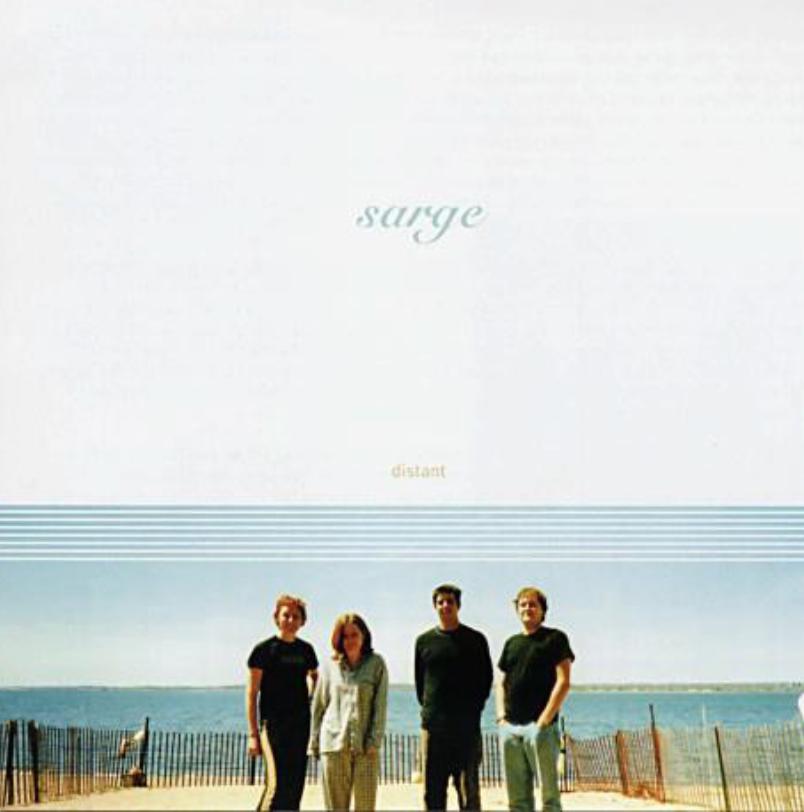
Sarge’s Spotify BioChampaign, IL, punk-pop group Sarge was formed in late 1995 by singer/guitarist Elizabeth Elmore and ex-Corndolly bassist Rachel Switzky. Recruiting drummer Russ Horvath, the group played their debut show in January 1996, quickly becoming a popular local attraction. Upon signing to the Mud label, Sarge debuted that March with the excellent single "Dear Josie, Love Robyn," resurfacing a few months later on a split single with Supporting Actress issued on Grand Theft Autumn. After recording their acclaimed 1996 debut Charcoal, Horvath quit the group and was replaced by drummer Chad Romanski, who signed on in time to cut the 1997 single "Stall." Sarge's breakthrough sophomore LP The Glass Intact appeared in 1998 and was recorded with second guitarist Pat Cramer, who quit the band a short time later. His replacement was Sue Roth; lineup changes continued to plague the group in the months which followed, however, and in late 1998 Switzky left Sarge as well, opening the door for ex-Castor ba…ssist Derek Niedringhaus. The following year Elmore enrolled in Northwestern Law School, and in the wake of her semester finals opted to dissolve the band, playing the occasional performance as a solo act; Distant, a posthumous collection of Sarge demos and live tracks, followed in the spring of 2000. ~ Jason Ankeny, Rovi
Viberate is a music analytics platform built for A&Rs, artist managers, labels, booking agents, marketers, and artists.
It helps music professionals track artist growth, analyze audience data, monitor playlist activity, compare artists, follow song performance, and identify opportunities across the music market.
Public artist pages provide a free preview of selected artist data. Paid plans provide access to deeper analytics, historical data, charts, comparisons, playlist tools, exports, alerts, reports, and additional professional features.
Yes. Public Viberate artist pages provide selected artist analytics and music data for free.
Viberate also offers a 7-day free trial of the full platform. A credit card is required to start the trial. The trial includes access to the complete product so users can test deeper artist analytics, historical views, playlist insights, comparisons, charts, exports, alerts, and reporting features before choosing a paid plan.
Viberate provides artist analytics across streaming, playlists, social media, video, radio airplay, songs, and audience markets.
Users can analyze Spotify performance, Spotify and Apple Music playlists, YouTube activity, TikTok and Instagram growth, radio spins, song performance, audience locations, demographics, rankings, and overall artist momentum.
Artist profiles also connect to music charts, similar artists, and comparison tools, helping users benchmark performance and evaluate artists in context.
Viberate updates key artist and track data daily.
For followed artists and tracks, selected data is refreshed multiple times per day. This helps teams monitor playlist changes, streaming movement, audience growth, releases, and campaign performance with more current data.
Update frequency can vary depending on the metric and data source.
Yes. Viberate lets users compare up to five artists side by side across streaming, social media, audience, and engagement metrics.
Users can compare fanbase growth, audience demographics, locations, Spotify performance, social metrics, and other artist data over selected time periods.
Artist comparison can be used for A&R scouting, benchmarking, booking decisions, campaign planning, and evaluating artists with similar audiences or market positions.