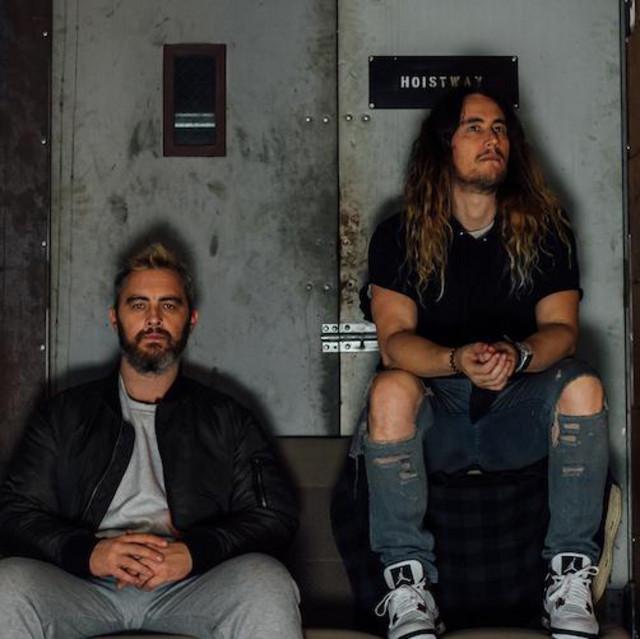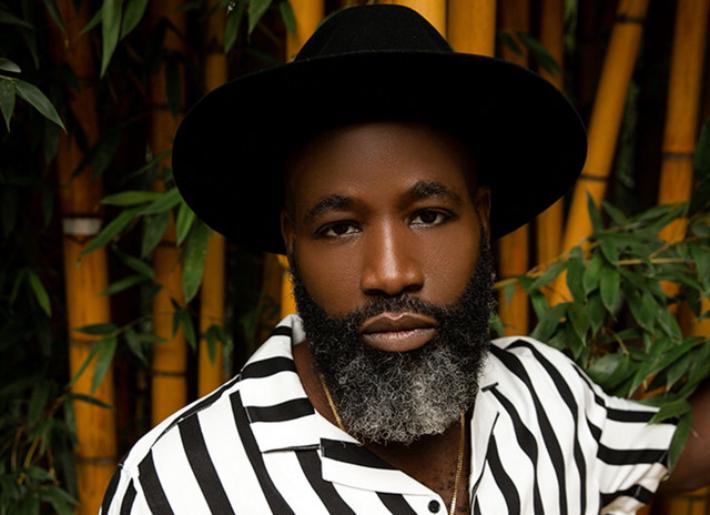
Sanya N'kanta

Rock
Indie Rock
Soul
Reggaeton
 Viberate Rank: 316209
 Viberate Rank: 316209
 Monthly ListenersFollowers
 Subscribers
 Followers
 Followers
 FansTop Spotify Songs
| Track | 7-Day Streams | |
|---|---|---|
1 | 44 | |
2 | 11 | |
3 | 7 | |
4 | 5 | |
5 | 3 |
Top YouTube Videos| Video | 7-Day Views | |
|---|---|---|
1 | 17 | |
2 | 14 | |
3 | 11 | |
4 | 7 | |
5 | 3 |
Monthly ListenersFeatured in Playlists| Playlist | Followers | |
|---|---|---|
1 |  Best of the Month TheGlobalTracks | 43.21K |
2 | IMF Favorite Songs l34f | 8.72K |
3 |  Indie Escape escapist | 3.60K |
4 |  Political and Protest Songs Dylan Parsons | 2.22K |
5 |  TODD TERRY : InHouse Radio Todd Terry | 2.19K |
Audience| City | Monthly Listeners | |
|---|---|---|
1 |  | 5 |
2 |  | 3 |
3 | | 3 |
4 | | 3 |
5 | | 3 |
See full performance history, audience data, playlist activity, rankings, comparisons, and more in Viberate music analytics. Start with a free trial, then continue with a paid plan.
Sanya N'kanta’s Spotify BioSanya’s career has been defined by being undefinable. He gracefully moves through rock, reggae, hip-hop, house music, and electro-pop, letting fine songcraft and a well-developed artistic identity be his signatures rather than embracing trends or coloring within culture-defined guidelines.
Sanya was born in Kingston, Jamaica, but, as a young boy, his family relocated to the US so his father could study for his doctorate at Indiana University. During middle school, a church buddy loaned him Aerosmith cassettes weekly, and he became obsessed with rock n’ roll. Eventually, Sanya’s creative wanderlust came to the fore. He ventured out from rock to explore a variety of genres, including 80s synth-pop, backpacker hip-hop, neo-soul, alt-rock, industrial grunge, retro-rock, and indie rock. As a musician, however, he defined himself as a rocker in the Midwest scene where he recorded and performed regionally. After his band split up, Sanya immersed himself in the indie hip-hop world producing and… dabbling as a label owner.
When Sanya remerged as a solo artist, he cultivated a career that allowed him the freedom to explore a bevy of genres, sometimes within one song. His previous album, The Counterfeit Revival, was a swirl of sounds like only Sanya can stir up. It grappled with challenging but timely issues of race, immigration, and the black experience.
Viberate is a music analytics platform built for A&Rs, artist managers, labels, booking agents, marketers, and artists.
It helps music professionals track artist growth, analyze audience data, monitor playlist activity, compare artists, follow song performance, and identify opportunities across the music market.
Public artist pages provide a free preview of selected artist data. Paid plans provide access to deeper analytics, historical data, charts, comparisons, playlist tools, exports, alerts, reports, and additional professional features.
Yes. Public Viberate artist pages provide selected artist analytics and music data for free.
Viberate also offers a 7-day free trial of the full platform. A credit card is required to start the trial. The trial includes access to the complete product so users can test deeper artist analytics, historical views, playlist insights, comparisons, charts, exports, alerts, and reporting features before choosing a paid plan.
Viberate provides artist analytics across streaming, playlists, social media, video, radio airplay, songs, and audience markets.
Users can analyze Spotify performance, Spotify and Apple Music playlists, YouTube activity, TikTok and Instagram growth, radio spins, song performance, audience locations, demographics, rankings, and overall artist momentum.
Artist profiles also connect to music charts, similar artists, and comparison tools, helping users benchmark performance and evaluate artists in context.
Viberate updates key artist and track data daily.
For followed artists and tracks, selected data is refreshed multiple times per day. This helps teams monitor playlist changes, streaming movement, audience growth, releases, and campaign performance with more current data.
Update frequency can vary depending on the metric and data source.
Yes. Viberate lets users compare up to five artists side by side across streaming, social media, audience, and engagement metrics.
Users can compare fanbase growth, audience demographics, locations, Spotify performance, social metrics, and other artist data over selected time periods.
Artist comparison can be used for A&R scouting, benchmarking, booking decisions, campaign planning, and evaluating artists with similar audiences or market positions.