Santa Morte Hardcore

Punk
Hardcore Punk
Hardstyle/Hardcore
 Viberate Rank: 296204
 Viberate Rank: 296204
 Monthly ListenersFollowers
 Subscribers
 Followers
 Followers
 FansTop Spotify Songs
| Track | 7-Day Streams | |
|---|---|---|
1 | 190 | |
2 | 117 | |
3 | 70 | |
4 | 31 | |
5 | 29 |
Top YouTube VideosMonthly ListenersFeatured in Playlists| Playlist | Followers | |
|---|---|---|
1 |  Metal BR Pesado Static Progress | 8.07K |
2 |  Hardcore Punk Brasileiro guilherme | 3.21K |
3 |  Melhor Ja ir na Papudinha Punkzilla! | 2.88K |
4 |  Crossover, Thrash & Hardcore - Brasil Punkzilla! | 2.42K |
5 |  HARDCORE PUNK BRASILEIRO 🇧🇷 🇧🇷 Paolinho Fernandes🇵🇹🇦🇴 | 1.02K |
Audience| City | Monthly Listeners | |
|---|---|---|
1 | | 291 |
2 | | 46 |
3 | | 46 |
4 | | 36 |
5 | | 32 |
See full performance history, audience data, playlist activity, rankings, comparisons, and more in Viberate music analytics. Start with a free trial, then continue with a paid plan.
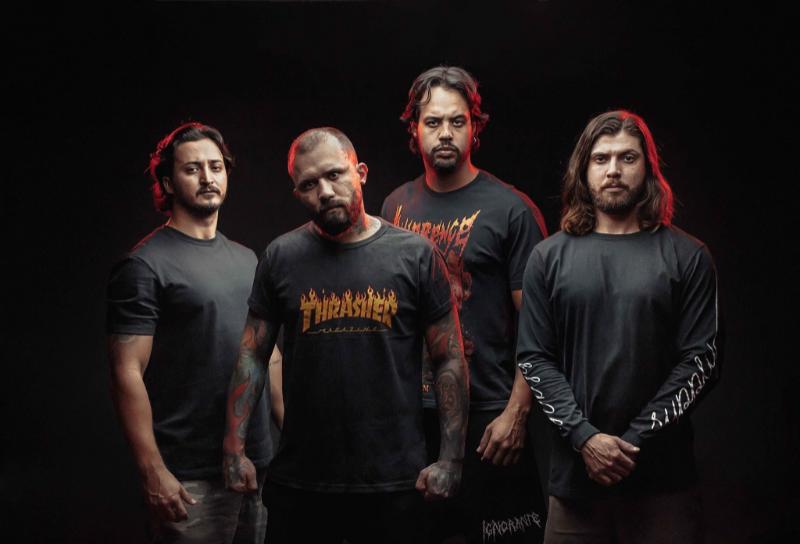
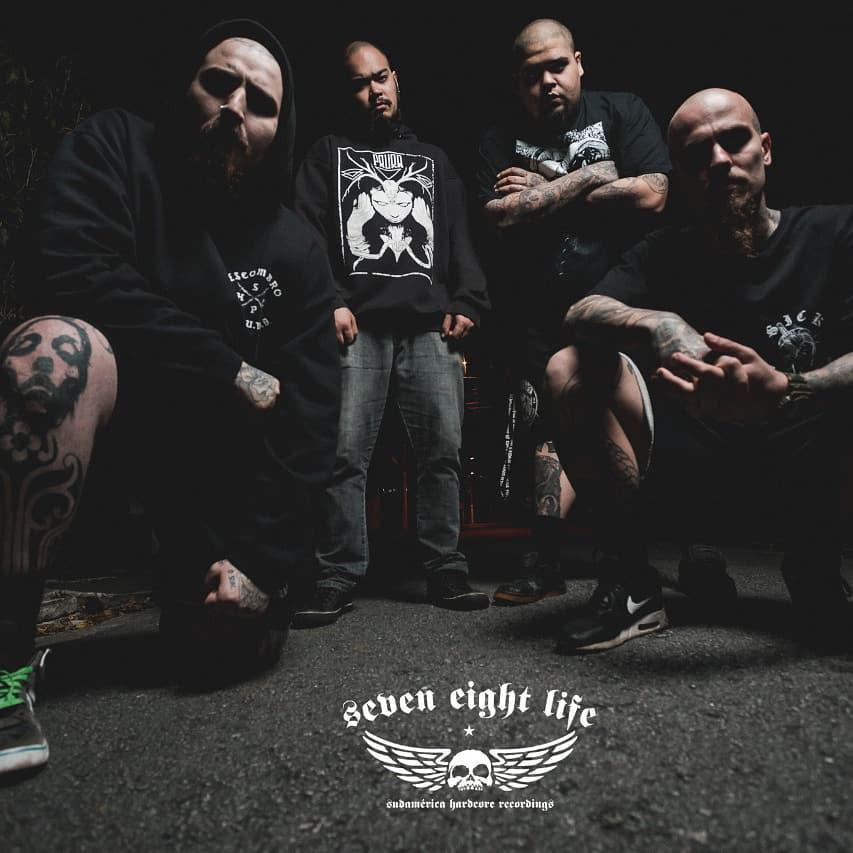
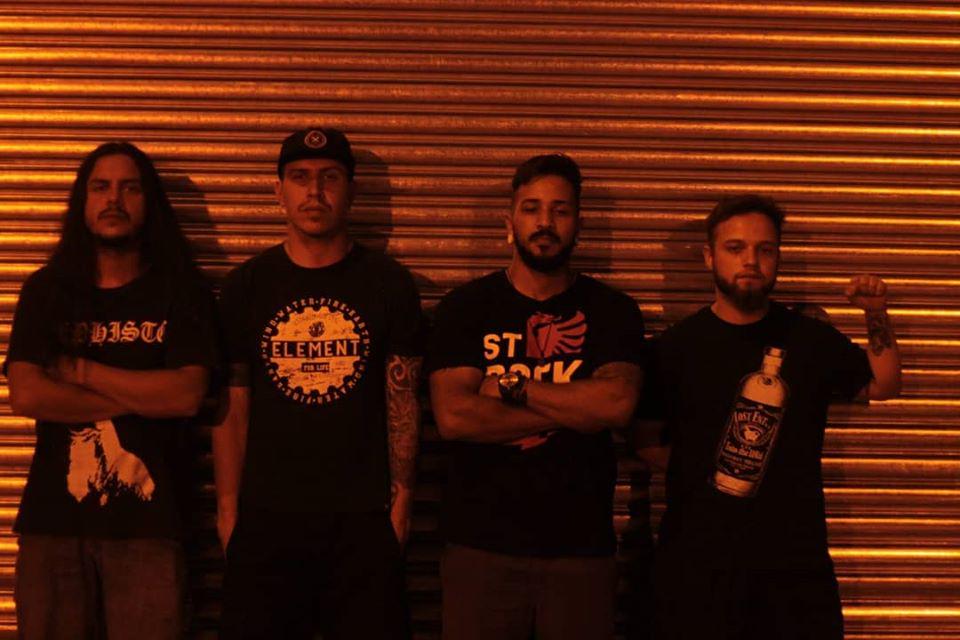
Santa Morte Hardcore’s Spotify BioA Santa Morte, foi formada no ano de 2011, na periferia da zona leste de São Paulo, capital, por integrantes de outras bandas, de vertentes variadas, que estavam descontentes com seus projetos atuais. O projeto iniciou com Fernando Muniz (Guitarrista) que recrutou dois amigos de longa data, Caio Rodriguez “Volf” (Baixista) e Rick Araújo (Bateria). Após os primeiros alinhamentos, Ismael Victor e Fernando Víruz completaram o grupo.
O nome Santa Morte foi inspirado em uma figura sagrada do México Santa Muerte, que é tida como a padroeira dos criminosos e é severamente seguida por lugares violentos do país.
Mesclando metal e hardcore, a banda buscava um som diferenciado, que seja ao mesmo tempo técnico e pesado como o metal, sem perder a agressividade, e a contestação do hardcore.
As letras escritas pelos integrantes da banda são em bom e claro português, a sonoridade diferenciada, com identidade e personalidade, que retrata a vida e o dia-a-dia de quem vive na periferia de São Paulo. Os… integrantes da banda se inspiram em diferentes vertentes, passando por metal, hardcore, rap, em suas mais variadas vertentes, e até mesmo samba, mpb, e ritmos brasileiros em geral.
Em 2018, Rafael Camelo (ex-Infecção Raivosa) que já havia participado da faixa Tenha fé em 2012, assume o vocal que define formação atual da banda.
Santa Morte é:
RAFAEL CAMELO - VOZ
FERNANDO MUNIZ - GUITARRA / VOZ
ISMAEL VICTOR - GUITARRA
CAIO RODRIGUEZ - BAIXO
HENRIQUE ARAÚJO - BATERIA
Viberate is a music analytics platform built for A&Rs, artist managers, labels, booking agents, marketers, and artists.
It helps music professionals track artist growth, analyze audience data, monitor playlist activity, compare artists, follow song performance, and identify opportunities across the music market.
Public artist pages provide a free preview of selected artist data. Paid plans provide access to deeper analytics, historical data, charts, comparisons, playlist tools, exports, alerts, reports, and additional professional features.
Yes. Public Viberate artist pages provide selected artist analytics and music data for free.
Viberate also offers a 7-day free trial of the full platform. A credit card is required to start the trial. The trial includes access to the complete product so users can test deeper artist analytics, historical views, playlist insights, comparisons, charts, exports, alerts, and reporting features before choosing a paid plan.
Viberate provides artist analytics across streaming, playlists, social media, video, radio airplay, songs, and audience markets.
Users can analyze Spotify performance, Spotify and Apple Music playlists, YouTube activity, TikTok and Instagram growth, radio spins, song performance, audience locations, demographics, rankings, and overall artist momentum.
Artist profiles also connect to music charts, similar artists, and comparison tools, helping users benchmark performance and evaluate artists in context.
Viberate updates key artist and track data daily.
For followed artists and tracks, selected data is refreshed multiple times per day. This helps teams monitor playlist changes, streaming movement, audience growth, releases, and campaign performance with more current data.
Update frequency can vary depending on the metric and data source.
Yes. Viberate lets users compare up to five artists side by side across streaming, social media, audience, and engagement metrics.
Users can compare fanbase growth, audience demographics, locations, Spotify performance, social metrics, and other artist data over selected time periods.
Artist comparison can be used for A&R scouting, benchmarking, booking decisions, campaign planning, and evaluating artists with similar audiences or market positions.