Sandy Bull

Rock
Folk Rock
Psychedelic Rock
 Viberate Rank: 313985
 Viberate Rank: 313985
 Monthly ListenersFollowers
 Subscribers
 Followers
 Followers
 FansTop Spotify Songs
| Track | 7-Day Streams | |
|---|---|---|
1 | 1.42K | |
2 | 451 | |
3 | 438 | |
4 | 364 | |
5 | 289 |
Top YouTube VideosMonthly ListenersFeatured in Playlists| Playlist | Followers | |
|---|---|---|
1 | Unofficial Reverb Radio Jeff Ferruzzo | 21.82K |
2 |  Now Again - Egon's Selections Egon | 14.10K |
3 |  🌵 Desert Road Trip Federico Donelli | 12.45K |
4 |  REVERBERATION RADIO Giel van der Leest | 6.62K |
5 | Aquarium Drunkard Radio J.B. Spaulding | 6.26K |
Audience| City | Monthly Listeners | |
|---|---|---|
1 | | 277 |
2 |  | 196 |
3 | | 195 |
4 | | 171 |
5 | | 158 |
See full performance history, audience data, playlist activity, rankings, comparisons, and more in Viberate music analytics. Start with a free trial, then continue with a paid plan.
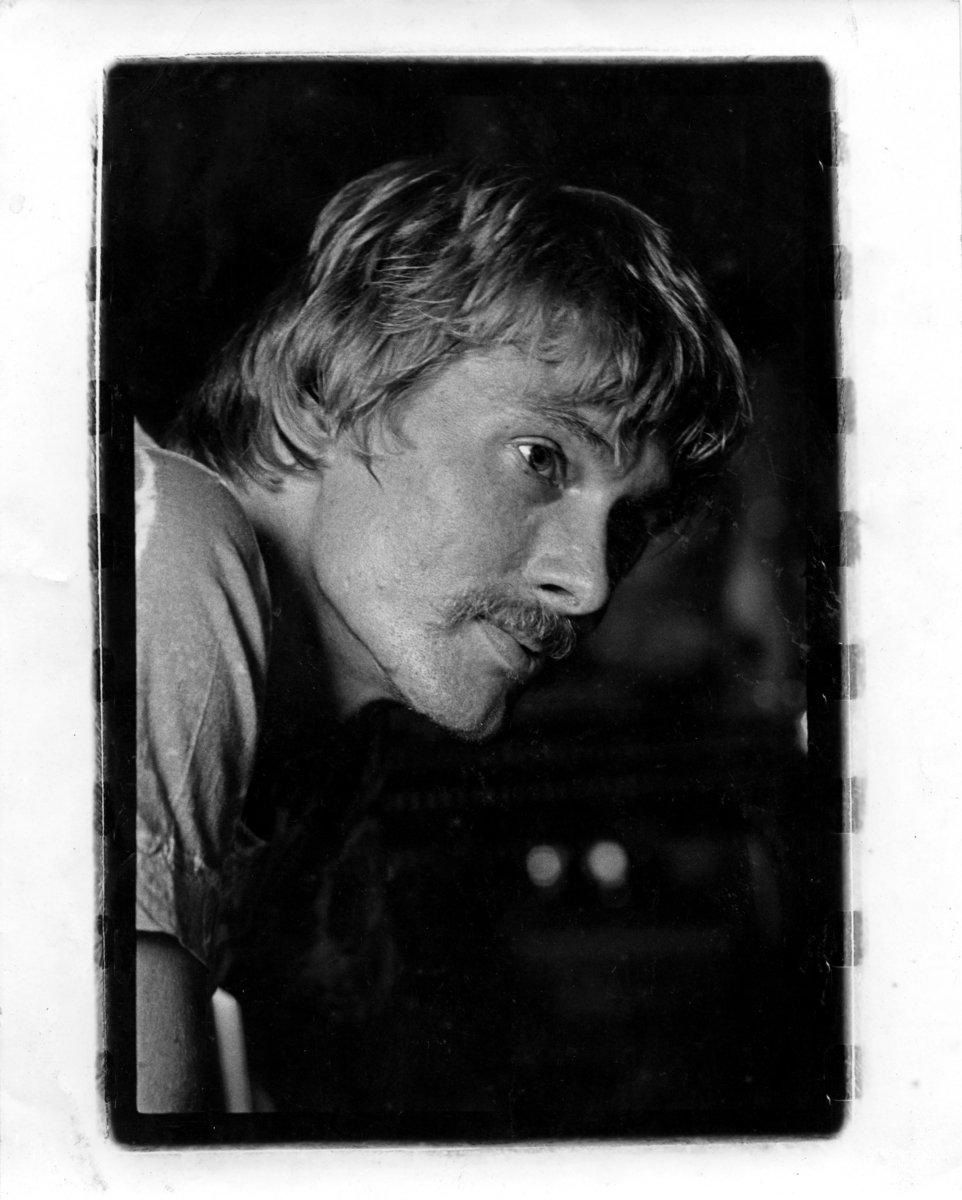
Sandy Bull’s Spotify BioLong before Ry Cooder, Leo Kottke, Richard Thompson, and others were impressing listeners with their ability to hop from genre to genre, Sandy Bull glided from classical and jazz to ethnic music and rock & roll with grace and verve. Accompanied on his first two albums by renowned jazz drummer Billy Higgins, Bull produced some of the first extended instrumental compositions for guitar that incorporated elements of folk, jazz, and Indian and Arabic-influenced dronish modes. Not "rock" by any stretch of the imagination, it's nevertheless easy to see that it could have had an influence on the rock musicians who began incorporating eclectic and Middle Eastern sensibilities into their music a few years later. After his debut, Bull expanded his arsenal from the acoustic guitar and banjo to include oud, bass, and electric guitar. After his second album, however, his recordings were less focused and less impressive. In the 1970s, he dropped out of music altogether due to drug problems, although… he began recording again in the late '80s. On April 11, 2001, Sandy Bull died of lung cancer at his home just outside of Nashville. ~ Richie Unterberger, Rovi
Viberate is a music analytics platform built for A&Rs, artist managers, labels, booking agents, marketers, and artists.
It helps music professionals track artist growth, analyze audience data, monitor playlist activity, compare artists, follow song performance, and identify opportunities across the music market.
Public artist pages provide a free preview of selected artist data. Paid plans provide access to deeper analytics, historical data, charts, comparisons, playlist tools, exports, alerts, reports, and additional professional features.
Yes. Public Viberate artist pages provide selected artist analytics and music data for free.
Viberate also offers a 7-day free trial of the full platform. A credit card is required to start the trial. The trial includes access to the complete product so users can test deeper artist analytics, historical views, playlist insights, comparisons, charts, exports, alerts, and reporting features before choosing a paid plan.
Viberate provides artist analytics across streaming, playlists, social media, video, radio airplay, songs, and audience markets.
Users can analyze Spotify performance, Spotify and Apple Music playlists, YouTube activity, TikTok and Instagram growth, radio spins, song performance, audience locations, demographics, rankings, and overall artist momentum.
Artist profiles also connect to music charts, similar artists, and comparison tools, helping users benchmark performance and evaluate artists in context.
Viberate updates key artist and track data daily.
For followed artists and tracks, selected data is refreshed multiple times per day. This helps teams monitor playlist changes, streaming movement, audience growth, releases, and campaign performance with more current data.
Update frequency can vary depending on the metric and data source.
Yes. Viberate lets users compare up to five artists side by side across streaming, social media, audience, and engagement metrics.
Users can compare fanbase growth, audience demographics, locations, Spotify performance, social metrics, and other artist data over selected time periods.
Artist comparison can be used for A&R scouting, benchmarking, booking decisions, campaign planning, and evaluating artists with similar audiences or market positions.