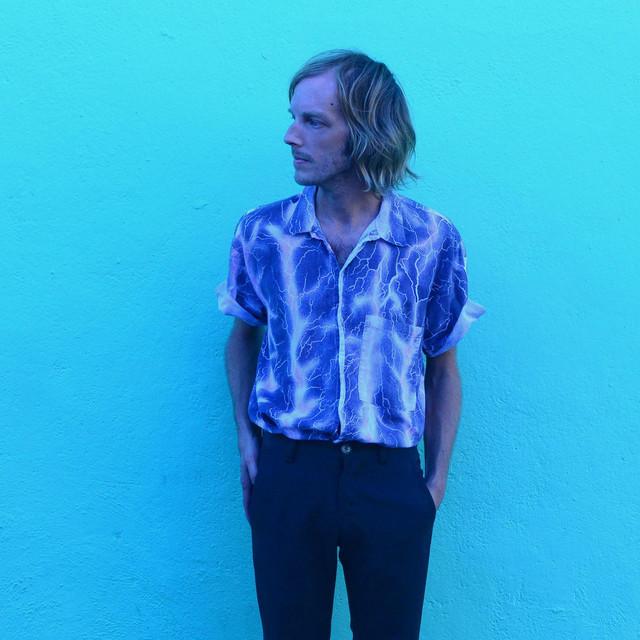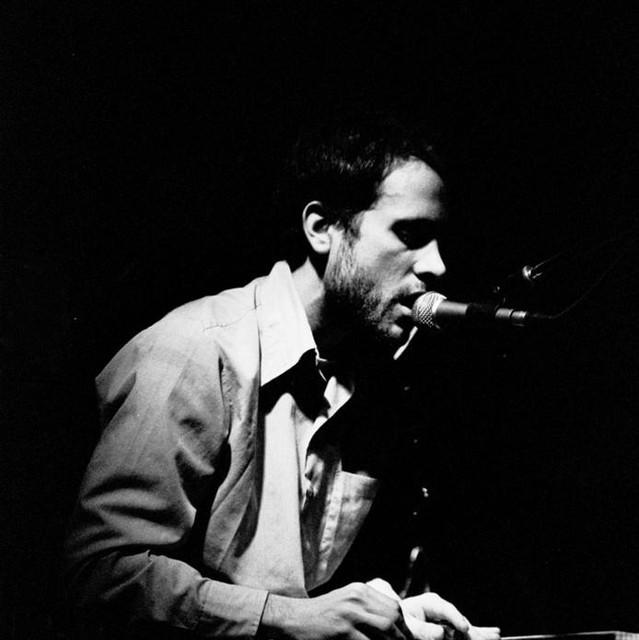
Sandro Perri

Electronic
Downtempo
Other Electronic Music
 Viberate Rank: 246154
 Viberate Rank: 246154
 Monthly ListenersFollowers
 Subscribers
 Followers
 Followers
 FansTop Spotify Songs
| Track | 7-Day Streams | |
|---|---|---|
1 | 1.10K | |
2 | 994 | |
3 | 678 | |
4 | 296 | |
5 | 164 |
Top YouTube VideosMonthly ListenersFeatured in Playlists| Playlist | Followers | |
|---|---|---|
1 | While You Work (@whileyouwork) Eli Feghali | 81.75K |
2 | wicks Brennan McDowell | 43.73K |
3 | Top 100 Tracks of 2011 Pitchfork | 35.80K |
4 |  Very Beautiful Songs Alex Delany | 24.83K |
5 |  High Maintenance | Official HBO | 23.98K |
Audience| City | Monthly Listeners | |
|---|---|---|
1 |  | 249 |
2 |  | 216 |
3 | | 178 |
4 | | 173 |
5 | | 154 |
See full performance history, audience data, playlist activity, rankings, comparisons, and more in Viberate music analytics. Start with a free trial, then continue with a paid plan.
Sandro Perri’s Spotify BioToronto, Canada native Sandro Perri began his winding journey into performance and production with the release of a 12" under the name Polmo Polpo in 1999. Equally inspired by the widely disparate styles of '60s surf-pop producer Joe Meek and minimal techno label Basic Channel, Perri's early releases were a patchwork of slow electronic pulses and gentle live instruments. Perri released four Polmo Polpo 12"s on his own label, Audi Sensa; the tracks were eventually compiled for 2002's The Science of Breath. The official Polmo Polpo debut album, Like Hearts Swelling, was released to international acclaim in 2003, earning Perri wider renown and a spot at that year's All Tomorrow's Parties festival in London. In 2006, Perri began performing under his own name, drastically reworking the sounds from Like Hearts Swelling with the EP Sandro Perri Plays Polmo Polpo. This recording surprised some fans with its move away from electronic sounds and toward a more live-sounding, electro-acoustic… instrumentation. More surprising, however were Perri's plainspoken vocals, which graced these vivid re-envisionings of what were once instrumental tracks. Perri released Tiny Mirrors, his first full-length recording under his given name, in 2007. The album found him working in a delicate folk-tinged vein with definite roots in post-rock improvisation. This album also drew heavily on another of Perri's strongest influences, the '80s-era genre-bending, avant-disco producer of N.Y.C.'s downtown scene, Arthur Russell, whose song "Kiss Me Again" Perri had earlier covered in an epic 28-minute form. In addition to Perri's prolific output both under his given name and as Polmo Polpo, he frequently collaborated with other bands and artists, actively working for a time as a member of earthy acts like Barzin or Great Lake Swimmers, embarking on one-off collaborations like Dot Wiggin with the late Todd Fox, or Glissandro 70 with Craig Dunsmuir, and providing various levels of production assistance on studio work from Devon Sproule, Steven Malkmus, or Grizzly Bear's Owen Pallat. Amid constant touring, collaborations, and production work, Perri slowly pieced together his second proper full-length, 2011's gently beautiful Impossible Spaces. ~ Fred Thomas, Rovi
Viberate is a music analytics platform built for A&Rs, artist managers, labels, booking agents, marketers, and artists.
It helps music professionals track artist growth, analyze audience data, monitor playlist activity, compare artists, follow song performance, and identify opportunities across the music market.
Public artist pages provide a free preview of selected artist data. Paid plans provide access to deeper analytics, historical data, charts, comparisons, playlist tools, exports, alerts, reports, and additional professional features.
Yes. Public Viberate artist pages provide selected artist analytics and music data for free.
Viberate also offers a 7-day free trial of the full platform. A credit card is required to start the trial. The trial includes access to the complete product so users can test deeper artist analytics, historical views, playlist insights, comparisons, charts, exports, alerts, and reporting features before choosing a paid plan.
Viberate provides artist analytics across streaming, playlists, social media, video, radio airplay, songs, and audience markets.
Users can analyze Spotify performance, Spotify and Apple Music playlists, YouTube activity, TikTok and Instagram growth, radio spins, song performance, audience locations, demographics, rankings, and overall artist momentum.
Artist profiles also connect to music charts, similar artists, and comparison tools, helping users benchmark performance and evaluate artists in context.
Viberate updates key artist and track data daily.
For followed artists and tracks, selected data is refreshed multiple times per day. This helps teams monitor playlist changes, streaming movement, audience growth, releases, and campaign performance with more current data.
Update frequency can vary depending on the metric and data source.
Yes. Viberate lets users compare up to five artists side by side across streaming, social media, audience, and engagement metrics.
Users can compare fanbase growth, audience demographics, locations, Spotify performance, social metrics, and other artist data over selected time periods.
Artist comparison can be used for A&R scouting, benchmarking, booking decisions, campaign planning, and evaluating artists with similar audiences or market positions.