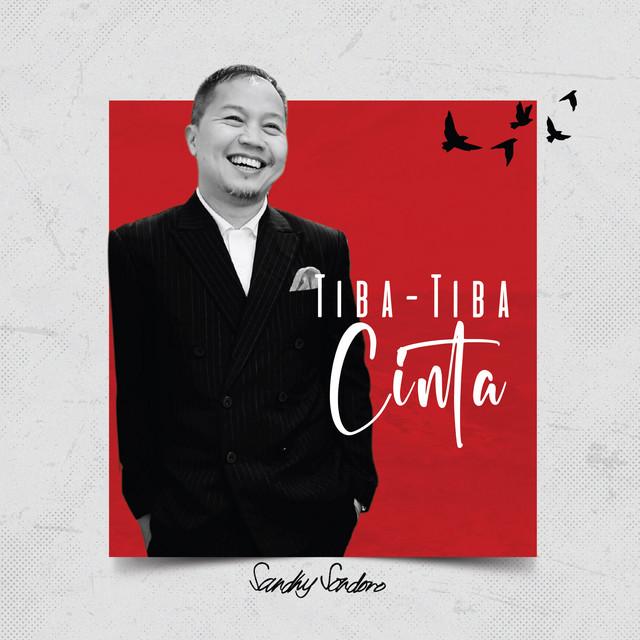
Sandhy Sondoro

Asian
Indonesian Folk
Indonesian Pop
 Viberate Rank: 49707
 Viberate Rank: 49707
 Monthly ListenersFollowers
 Subscribers
 Followers
 Followers
 FansTop Spotify Songs
| Track | 7-Day Streams | |
|---|---|---|
1 | 94.90K | |
2 | 32.85K | |
3 | 4.72K | |
4 | 4.05K | |
5 | 2.63K |
Top YouTube VideosMonthly ListenersFeatured in Playlists| Playlist | Followers | |
|---|---|---|
1 |  Santai Sejenak Spotify | 498.41K |
2 |  Ngetren di 2010an Spotify | 293.83K |
3 |  Top Indonesian Songs 90an - 2000an Jeffrey Stefanus | 88.11K |
4 | Alvin Gustav | 71.16K |
5 |  Kemilau Kota Spotify | 71.15K |
Audience| City | Monthly Listeners | |
|---|---|---|
1 | | 27.86K |
2 | | 18.79K |
3 | | 13.72K |
4 | | 10.96K |
5 | | 10.44K |
See full performance history, audience data, playlist activity, rankings, comparisons, and more in Viberate music analytics. Start with a free trial, then continue with a paid plan.
Sandhy Sondoro’s Spotify BioSandhy's love and passion for music. started at a very young age.
His music influenced by American and British rock legends like the Beatles and Led Zeppelin. The power of his voice reminds us of Curtis Mayfield, he is sometimes called the Ben Harper of Jakarta.
In 1998, Sandhy moved back to Berlin and started singing and playing the guitar in bars, clubs and metros. His famous song “Down on the Streets” was inspired by his experiences in the Berlin metros. In 2005, Sandhy performed in “Berlin for Asia” a charity concert for the 2004 Indian Ocean earthquake and tsunami victims. Not long after releasing his first single “Down On The Streets”, on April 25, 2008 he published his debut album “Why Dont We”.
He is well-known for winning 8th in the New Wave International Contest of Young Pop Singers in Jurmala, Latvia, from July 28 to August 2, 2009. Sandhy’s musical talent was spotted internationally when world famous songwriter Diane Warren invited him to sing at the legendary venue The… Palladium Theatre in Hollywood for a PBS Special TV Broadcast.
On August 2008, the Indonesian Embassy in Berlin bestowed him a medal of honor “Satya Lencana. And again Sandhy Sondoro incised achievement in the international music festival event!. In July, 2017 Sandhy was chosen as The Grand Prix Winner of the International Music Festival "White Nights of St. Petersburg.
Viberate is a music analytics platform built for A&Rs, artist managers, labels, booking agents, marketers, and artists.
It helps music professionals track artist growth, analyze audience data, monitor playlist activity, compare artists, follow song performance, and identify opportunities across the music market.
Public artist pages provide a free preview of selected artist data. Paid plans provide access to deeper analytics, historical data, charts, comparisons, playlist tools, exports, alerts, reports, and additional professional features.
Yes. Public Viberate artist pages provide selected artist analytics and music data for free.
Viberate also offers a 7-day free trial of the full platform. A credit card is required to start the trial. The trial includes access to the complete product so users can test deeper artist analytics, historical views, playlist insights, comparisons, charts, exports, alerts, and reporting features before choosing a paid plan.
Viberate provides artist analytics across streaming, playlists, social media, video, radio airplay, songs, and audience markets.
Users can analyze Spotify performance, Spotify and Apple Music playlists, YouTube activity, TikTok and Instagram growth, radio spins, song performance, audience locations, demographics, rankings, and overall artist momentum.
Artist profiles also connect to music charts, similar artists, and comparison tools, helping users benchmark performance and evaluate artists in context.
Viberate updates key artist and track data daily.
For followed artists and tracks, selected data is refreshed multiple times per day. This helps teams monitor playlist changes, streaming movement, audience growth, releases, and campaign performance with more current data.
Update frequency can vary depending on the metric and data source.
Yes. Viberate lets users compare up to five artists side by side across streaming, social media, audience, and engagement metrics.
Users can compare fanbase growth, audience demographics, locations, Spotify performance, social metrics, and other artist data over selected time periods.
Artist comparison can be used for A&R scouting, benchmarking, booking decisions, campaign planning, and evaluating artists with similar audiences or market positions.