Sammy Price

Jazz
Jazz Fusion
Classic Blues
Swing
 Viberate Rank: 238484
 Viberate Rank: 238484
 Monthly ListenersFollowers
 Subscribers
 Followers
 Followers
 FansTop Spotify Songs
| Track | 7-Day Streams | |
|---|---|---|
1 | 2.60K | |
2 | 1.77K | |
3 | 1.77K | |
4 | 1.45K | |
5 | 1.23K |
Top YouTube VideosMonthly ListenersFeatured in Playlists| Playlist | Followers | |
|---|---|---|
1 | Boogie Woogie ! Sondre Olsen-Bye | 33.90K |
2 |  The Jazz Clarinet Adam Price | 10.18K |
3 | All Swing 20s Charleston Gypsy Juls | 6.43K |
4 |  BOOGIE WOOGIE ❤️ Patricio | 6.42K |
5 |  Discovered Weekly eddershaw | 6.05K |
Audience| City | Monthly Listeners | |
|---|---|---|
1 |  | 273 |
2 | | 260 |
3 |  | 222 |
4 |  | 211 |
5 |  | 171 |
See full performance history, audience data, playlist activity, rankings, comparisons, and more in Viberate music analytics. Start with a free trial, then continue with a paid plan.
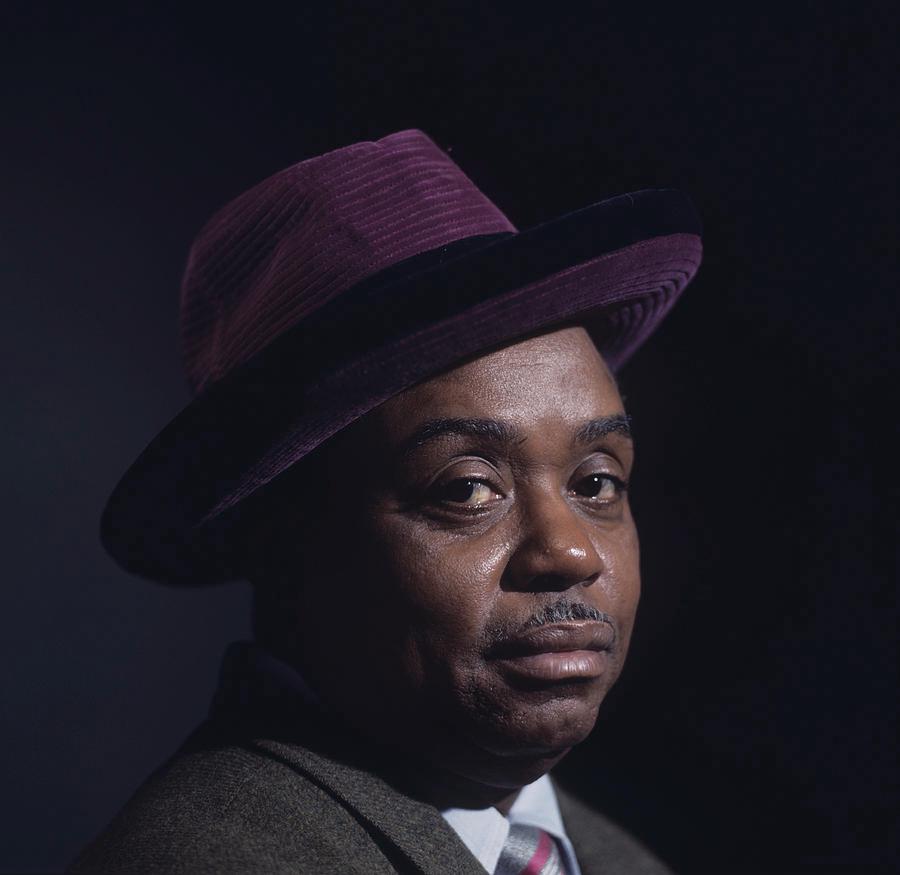
Sammy Price’s Spotify BioSammy Price had a long and productive career as a flexible blues and boogie-woogie-based pianist. He studied piano in Dallas and was a singer and dancer with Alphonso Trent's band during 1927-1930. In 1929, he recorded one solitary side under the title of "Sammy Price and His Four Quarters." After a few years in Kansas City, he spent time in Chicago and Detroit. In 1938, Price became the house pianist for Decca in New York and appeared on many blues sides with such singers as Trixie Smith and Sister Rosetta Tharpe. He led his own band on records in the early '40s which included (on one memorable session) Lester Young. Price worked steadily on 52nd Street, in 1948 played at the Nice Festival with Mezz Mezzrow, spent time back in Texas, and then a decade with Red Allen; he was also heard on many rock & roll-type sessions in the 1950s. In later years he recorded with Doc Cheatham. Sammy Price was active until near his death, 63 years after his recording debut. ~ Scott Yanow, Rovi
Viberate is a music analytics platform built for A&Rs, artist managers, labels, booking agents, marketers, and artists.
It helps music professionals track artist growth, analyze audience data, monitor playlist activity, compare artists, follow song performance, and identify opportunities across the music market.
Public artist pages provide a free preview of selected artist data. Paid plans provide access to deeper analytics, historical data, charts, comparisons, playlist tools, exports, alerts, reports, and additional professional features.
Yes. Public Viberate artist pages provide selected artist analytics and music data for free.
Viberate also offers a 7-day free trial of the full platform. A credit card is required to start the trial. The trial includes access to the complete product so users can test deeper artist analytics, historical views, playlist insights, comparisons, charts, exports, alerts, and reporting features before choosing a paid plan.
Viberate provides artist analytics across streaming, playlists, social media, video, radio airplay, songs, and audience markets.
Users can analyze Spotify performance, Spotify and Apple Music playlists, YouTube activity, TikTok and Instagram growth, radio spins, song performance, audience locations, demographics, rankings, and overall artist momentum.
Artist profiles also connect to music charts, similar artists, and comparison tools, helping users benchmark performance and evaluate artists in context.
Viberate updates key artist and track data daily.
For followed artists and tracks, selected data is refreshed multiple times per day. This helps teams monitor playlist changes, streaming movement, audience growth, releases, and campaign performance with more current data.
Update frequency can vary depending on the metric and data source.
Yes. Viberate lets users compare up to five artists side by side across streaming, social media, audience, and engagement metrics.
Users can compare fanbase growth, audience demographics, locations, Spotify performance, social metrics, and other artist data over selected time periods.
Artist comparison can be used for A&R scouting, benchmarking, booking decisions, campaign planning, and evaluating artists with similar audiences or market positions.