Sammie

R&B
Contemporary R&B
 Viberate Rank: 5638
 Viberate Rank: 5638
 Monthly ListenersFollowers
 Subscribers
 Followers
 Followers
 FansTop Spotify Songs
| Track | 7-Day Streams | |
|---|---|---|
1 | 4.80M | |
2 | 52.46K | |
3 | 20.91K | |
4 | 18.35K | |
5 | 11.32K |
Top YouTube VideosMonthly ListenersFeatured in Playlists| Playlist | Followers | |
|---|---|---|
1 |  All Out 2000s Spotify | 12.95M |
2 |  Guilty Pleasures Spotify | 3.39M |
3 |  R&B Classics 90s & 2000s - Best Old School RnB Hits Playlist - Usher, Chris Brown, Ne-Yo, Mario Esydia | 1.79M |
4 |  2000s HITS Y2K THROWBACKS Filtr US | 1.57M |
5 |  BILLIONS CLUB Spotify | 985.00K |
Audience| City | Monthly Listeners | |
|---|---|---|
1 | | 6.40K |
2 | | 5.64K |
3 | | 5.19K |
4 | | 5.13K |
5 | | 4.98K |
See full performance history, audience data, playlist activity, rankings, comparisons, and more in Viberate music analytics. Start with a free trial, then continue with a paid plan.
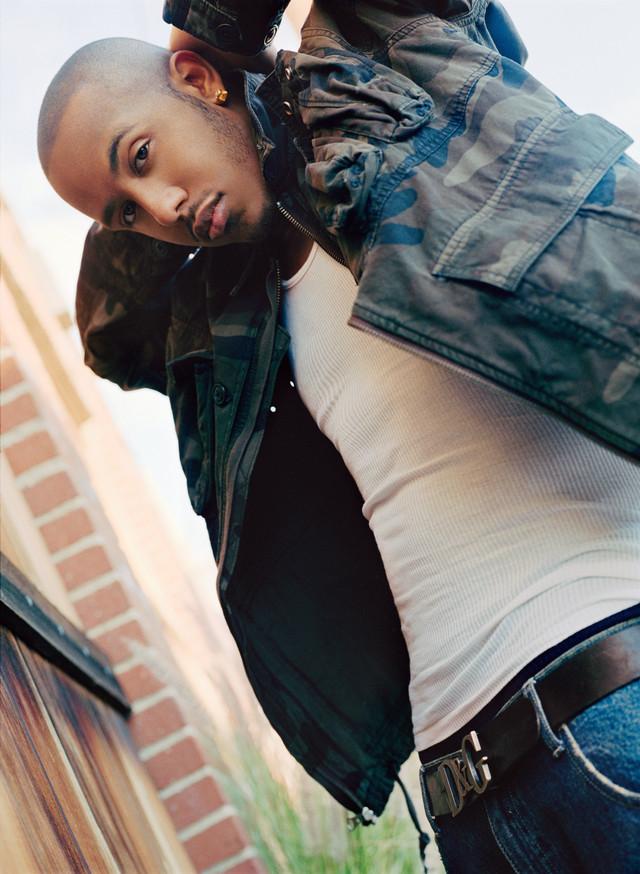
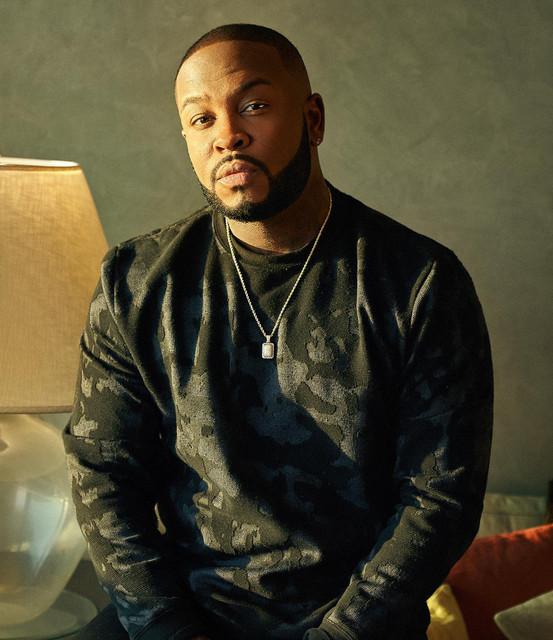
Sammie’s Spotify BioContemporary R&B artist Sammie achieved commercial success in 1999 as a pre-teen, vanished from the industry almost as quickly as he'd arrived, returned several years later, and left again, only to resurface during the 2010s. Before he was even born, Sammie Leigh Bush, Jr. was exposed to music; his mother, a former professional singer, sang in the church choir while she was carrying him. That setting is where the native Floridian, at the age of four, received a standing ovation for his performance of "Troubles Don't Last Always." A few years later, Sammie formed a vocal group, Wonder 3, whose audition for Showtime at the Apollo led to a solo performance and subsequent triumphant finals appearance. Shortly thereafter, Joyce Irby became his manager. The former Klymaxx member matched her new client with longtime associate and producer Dallas Austin, who also signed the youngster to the Capitol subsidiary Freeworld Entertainment.
"I Like It," a mix of throwback electro and modern pop-R&B… produced by Austin, was released as Sammie's debut single. It entered Billboard's R&B/hip-hop chart in December 1999, eventually reached number eight, and peaked at number 24 on the Hot 100. Its parent album, From the Bottom to the Top, followed in 2000 and featured another charting single, the ballad "Crazy Things I Do." A lengthy silence, including a period devoted to school, was broken in 2006 by Sammie's self-titled second album. Issued on Austin's reactivated Rowdy label, supported by Motown, the return sported a couple minor hits with "You Should Be My Girl" and "Come with Me." Sammie was featured on Soulja Boy Tell Em's Top Five R&B/hip-hop hit "Kiss Me Thru the Phone" but was otherwise inactive for several years. During the 2010s, he returned with mixtapes, EPs, and albums such as 2015's Indigo and 2017's Coming of Age, all released through his independent Star Camp label. During this sustained period of activity, Sammie also co-wrote "Next Breath" for Tank. In early 2019, he issued the single "Times 10" featuring Lil Baby. ~ Andy Kellman & Heather Phares, Rovi
Viberate is a music analytics platform built for A&Rs, artist managers, labels, booking agents, marketers, and artists.
It helps music professionals track artist growth, analyze audience data, monitor playlist activity, compare artists, follow song performance, and identify opportunities across the music market.
Public artist pages provide a free preview of selected artist data. Paid plans provide access to deeper analytics, historical data, charts, comparisons, playlist tools, exports, alerts, reports, and additional professional features.
Yes. Public Viberate artist pages provide selected artist analytics and music data for free.
Viberate also offers a 7-day free trial of the full platform. A credit card is required to start the trial. The trial includes access to the complete product so users can test deeper artist analytics, historical views, playlist insights, comparisons, charts, exports, alerts, and reporting features before choosing a paid plan.
Viberate provides artist analytics across streaming, playlists, social media, video, radio airplay, songs, and audience markets.
Users can analyze Spotify performance, Spotify and Apple Music playlists, YouTube activity, TikTok and Instagram growth, radio spins, song performance, audience locations, demographics, rankings, and overall artist momentum.
Artist profiles also connect to music charts, similar artists, and comparison tools, helping users benchmark performance and evaluate artists in context.
Viberate updates key artist and track data daily.
For followed artists and tracks, selected data is refreshed multiple times per day. This helps teams monitor playlist changes, streaming movement, audience growth, releases, and campaign performance with more current data.
Update frequency can vary depending on the metric and data source.
Yes. Viberate lets users compare up to five artists side by side across streaming, social media, audience, and engagement metrics.
Users can compare fanbase growth, audience demographics, locations, Spotify performance, social metrics, and other artist data over selected time periods.
Artist comparison can be used for A&R scouting, benchmarking, booking decisions, campaign planning, and evaluating artists with similar audiences or market positions.