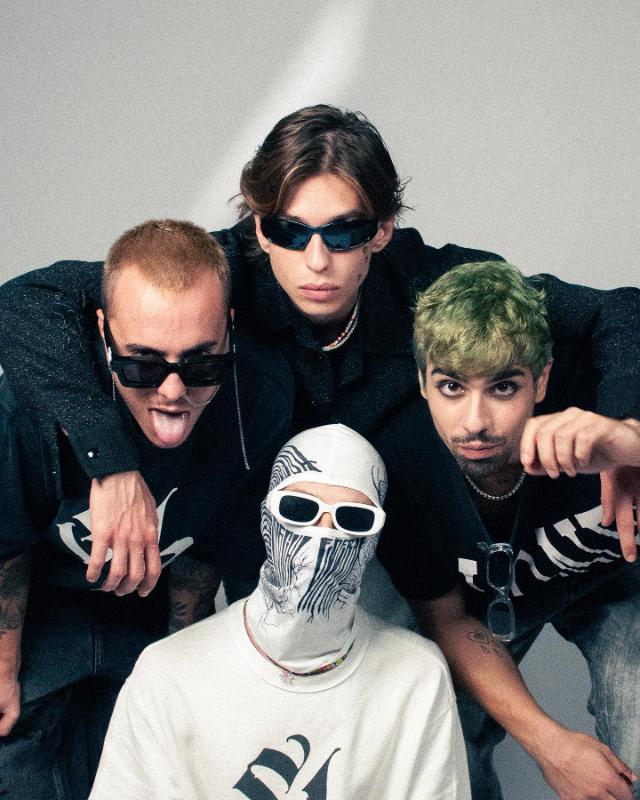
Sami River

Hip Hop
Contemporary Hip Hop
Mainstream Pop
Soul
 Viberate Rank: 480445
 Viberate Rank: 480445
 Monthly ListenersFollowers
 Subscribers
 Followers
 Followers
 FansTop Spotify Songs
| Track | 7-Day Streams | |
|---|---|---|
1 | 219 | |
2 | 166 | |
3 | 157 | |
4 | 65 | |
5 | 60 |
Top YouTube VideosMonthly ListenersFeatured in Playlists| Playlist | Followers | |
|---|---|---|
1 |  sanguegiovane 🩸 Spotify | 42.17K |
2 |  Calc.otta Isa | 2.62K |
3 |  Torino Indie Reload Music | 2.28K |
4 |  Alla nostra Mecna | 1.36K |
5 |  Written By okgiorgio Spotify | 1.08K |
Audience| City | Monthly Listeners | |
|---|---|---|
1 | | 211 |
2 | | 185 |
3 | | 115 |
4 | | 96 |
5 | | 68 |
See full performance history, audience data, playlist activity, rankings, comparisons, and more in Viberate music analytics. Start with a free trial, then continue with a paid plan.
Sami River’s Spotify BioAutore, cantautore e produttore alt-pop torinese. Nasce nel 1997 e molto presto si avvicina alla musica anglosassone di fine millennio e al rock dei primi anni duemila.
All’età di dodici anni inizia a suonare la chitarra in una band di provincia, ma successivamente abbandona lo strumento per diverso tempo. La scrittura arriva due anni dopo durante i primi anni di liceo artistico, periodo in cui l’artista si avvicina ad altri generi musicali di varia natura. Dopo un lungo periodo di sperimentazione e pubblicazioni sotto diverso nome, nel 2019 si riavvicina allo strumento, grazie alla quale approfondisce il mondo della composizione.
L’autore trova finalmente la sua dimensione nel 2020, anno nel quale esordisce con il suo primo mini-EP “KIDDING”, e successivamente “KIDDING vol.2” e il singolo “Woody”, grazie ai quali ottiene i primi riscontri da parte del pubblico e degli addetti ai lavori. L’artista fa costante riferimento alla propria infanzia, sotto l’aspetto testuale e all’interno del… proprio immaginario visivo (elemento che lo contraddistingue), spaziando tra sonorità britpop, indie rock e midwest emo. Successivamente pubblica i singoli “Buzz Lightyear” e “Non voglio guai” con Universal Music, dei quali emerge l’attitudine rock dell’autore.
Nell'ottobre del 2023 rilascia "Sitcom triste", il suo primo album.
Viberate is a music analytics platform built for A&Rs, artist managers, labels, booking agents, marketers, and artists.
It helps music professionals track artist growth, analyze audience data, monitor playlist activity, compare artists, follow song performance, and identify opportunities across the music market.
Public artist pages provide a free preview of selected artist data. Paid plans provide access to deeper analytics, historical data, charts, comparisons, playlist tools, exports, alerts, reports, and additional professional features.
Yes. Public Viberate artist pages provide selected artist analytics and music data for free.
Viberate also offers a 7-day free trial of the full platform. A credit card is required to start the trial. The trial includes access to the complete product so users can test deeper artist analytics, historical views, playlist insights, comparisons, charts, exports, alerts, and reporting features before choosing a paid plan.
Viberate provides artist analytics across streaming, playlists, social media, video, radio airplay, songs, and audience markets.
Users can analyze Spotify performance, Spotify and Apple Music playlists, YouTube activity, TikTok and Instagram growth, radio spins, song performance, audience locations, demographics, rankings, and overall artist momentum.
Artist profiles also connect to music charts, similar artists, and comparison tools, helping users benchmark performance and evaluate artists in context.
Viberate updates key artist and track data daily.
For followed artists and tracks, selected data is refreshed multiple times per day. This helps teams monitor playlist changes, streaming movement, audience growth, releases, and campaign performance with more current data.
Update frequency can vary depending on the metric and data source.
Yes. Viberate lets users compare up to five artists side by side across streaming, social media, audience, and engagement metrics.
Users can compare fanbase growth, audience demographics, locations, Spotify performance, social metrics, and other artist data over selected time periods.
Artist comparison can be used for A&R scouting, benchmarking, booking decisions, campaign planning, and evaluating artists with similar audiences or market positions.