Sam Desmet

Classical
Classical Crossover
Neoclassical
 Viberate Rank: 389597
 Viberate Rank: 389597
 Monthly ListenersFollowers
 Subscribers
 Followers
 Followers
 FansTop Spotify SongsTop YouTube VideosMonthly ListenersFeatured in Playlists
| Playlist | Followers | |
|---|---|---|
1 |  Relaxing Guitar Music Florecilla | 41.75K |
2 | Classical Guitar For Sleeping Belem | 5.58K |
3 |  Classical Guitar Chill Florecilla | 4.27K |
4 |  Sleep & Calm Guitar Instrumentals Victor Howe | 2.05K |
5 | Classical Guitar Ygor Alberto | 1.95K |
Audience| City | Monthly Listeners | |
|---|---|---|
1 |  | 63 |
2 |  | 63 |
3 |  | 62 |
4 | | 60 |
5 |  | 58 |
See full performance history, audience data, playlist activity, rankings, comparisons, and more in Viberate music analytics. Start with a free trial, then continue with a paid plan.
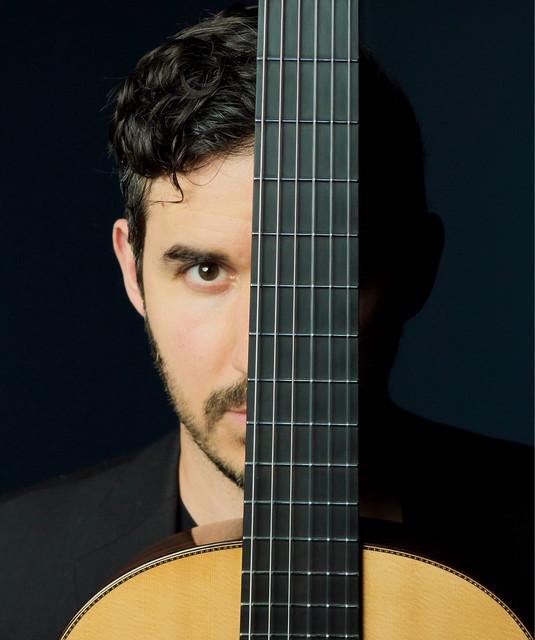
Sam Desmet’s Spotify BioBelgian guitarist Sam Desmet earned a reputation in the late 2000s for performing and recording works by both established and contemporary composers such as Philip Glass, Eduardo Martín, Richard Charlton, and Javier Contreras. He often collaborates across art forms—dance, film, painting, architecture, and poetry—bringing new dimensions to classical performance.
Recently, he premiered the Concerto for Guitar and Small Orchestra by Belgian composer Jean Absil, performing as a soloist with Casco Phil under conductor Benjamin Haemhouts.
He is currently developing Carcassi - Reimagined, a duo project with guitarist/composer Troy Gifford that reimagines Matteo Carcassi's 25 Études Op. 60 as expressive and idiomatic guitar duets.
Sam also leads the award-winning Unity in Diversity - Harmony of Cultures project, featuring global folk songs arranged by composers of matching nationality, with original cover art by visual artists from the same cultures—fusing tradition with creative… reinterpretation.
A graduate of the Royal Conservatory of Ghent under Yves Storms, he has worked with Leo Brouwer, Angelo Gilardino, and Simone Iannarelli, recording their music on Study Study. Based in the U.S., he performs internationally and collaborates in chamber settings with artists like Pablo Briceño and Federico Bonacossa.
His scores are published by Productions d’Oz, Edizioni Berben/Curci, and via samdesmet.com.
Viberate is a music analytics platform built for A&Rs, artist managers, labels, booking agents, marketers, and artists.
It helps music professionals track artist growth, analyze audience data, monitor playlist activity, compare artists, follow song performance, and identify opportunities across the music market.
Public artist pages provide a free preview of selected artist data. Paid plans provide access to deeper analytics, historical data, charts, comparisons, playlist tools, exports, alerts, reports, and additional professional features.
Yes. Public Viberate artist pages provide selected artist analytics and music data for free.
Viberate also offers a 7-day free trial of the full platform. A credit card is required to start the trial. The trial includes access to the complete product so users can test deeper artist analytics, historical views, playlist insights, comparisons, charts, exports, alerts, and reporting features before choosing a paid plan.
Viberate provides artist analytics across streaming, playlists, social media, video, radio airplay, songs, and audience markets.
Users can analyze Spotify performance, Spotify and Apple Music playlists, YouTube activity, TikTok and Instagram growth, radio spins, song performance, audience locations, demographics, rankings, and overall artist momentum.
Artist profiles also connect to music charts, similar artists, and comparison tools, helping users benchmark performance and evaluate artists in context.
Viberate updates key artist and track data daily.
For followed artists and tracks, selected data is refreshed multiple times per day. This helps teams monitor playlist changes, streaming movement, audience growth, releases, and campaign performance with more current data.
Update frequency can vary depending on the metric and data source.
Yes. Viberate lets users compare up to five artists side by side across streaming, social media, audience, and engagement metrics.
Users can compare fanbase growth, audience demographics, locations, Spotify performance, social metrics, and other artist data over selected time periods.
Artist comparison can be used for A&R scouting, benchmarking, booking decisions, campaign planning, and evaluating artists with similar audiences or market positions.