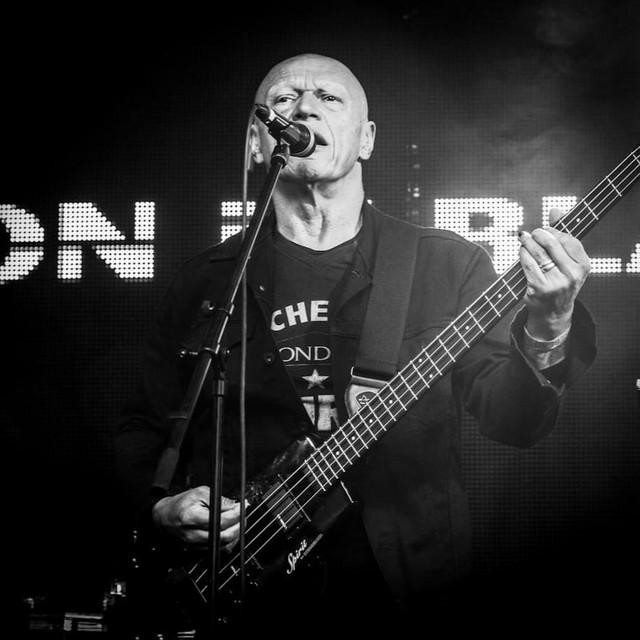
Salt Tank

Electronic
Trance
Techno
Downtempo
 Viberate Rank: 160234
 Viberate Rank: 160234
 Monthly ListenersFollowers
 Subscribers
 Followers
 Followers
 FansTop Spotify Songs
| Track | 7-Day Streams | |
|---|---|---|
1 | 11.41K | |
2 | 9.99K | |
3 | 7.46K | |
4 | 6.39K | |
5 | 2.16K |
Top YouTube VideosMonthly ListenersFeatured in Playlists| Playlist | Followers | |
|---|---|---|
1 |  The Best of Café del Mar Café del Mar | 151.43K |
2 |  90's Trance & Techno Anthems Bryan Nguyen | 61.23K |
3 | 90s Dance Anthems Mark Jason | 47.93K |
4 | 80's 12" & Extended Remixes enigma804 | 47.01K |
5 |  THE 100 BEST CHILL OUT SONGS EVER MAGIC EYE | 43.23K |
Audience| City | Monthly Listeners | |
|---|---|---|
1 | | 1.56K |
2 |  | 1.42K |
3 | | 1.42K |
4 |  | 847 |
5 |  | 794 |
See full performance history, audience data, playlist activity, rankings, comparisons, and more in Viberate music analytics. Start with a free trial, then continue with a paid plan.
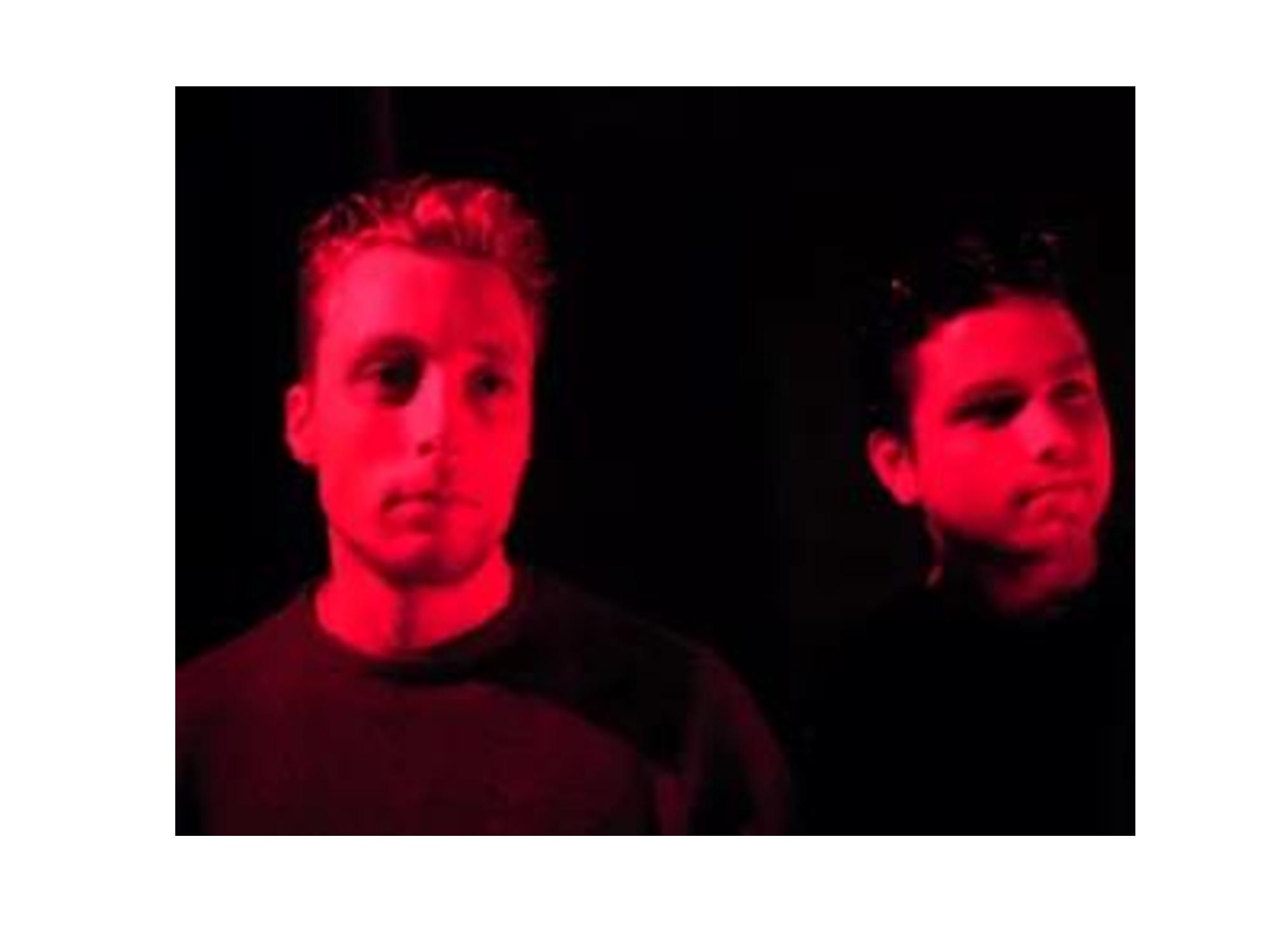
Salt Tank’s Spotify BioSalt Tank possesses an instinct for beautiful techno and trance akin to Orbital though their focus on hard-hitting techno and live-show performance (with guitars and drum kits as well as synthesizer banks) puts them more in line with Underworld. Formed by Malcolm Stanners and David Gates with Andrew Rose added later for an in-concert slant, the trio recorded several singles before signing to Internal Records and finding a surprise British Top 40 single in "Eugina." Originally, Stanners and Gates knew each other from an early age, sharing an affection for world music and the crusty, festival movement. The pair embraced acid-house as well by the mid-'80s, and Stanners began working at Paradise Studio, where he engineered for Hawkwind, the Beloved, Kevin Saunderson's Inner City and Derrick May.
By 1991, Stanners and Gates had earned enough money to buy their own gear, after which they recorded three limited EPs on their own 4 Real Communications. The releases created a buzz in the dance… community -- dropped into sets by Andrew Weatherall and Kris Needs -- and made it to the radio as well via The John Peel Show. After signing to Internal Records (also the home of Orbital and the Advent), the duo released their proper debut album, Science and Nature. The single "Eugina" hit the British Top 40, and recruited Andrew Rose as a nominal frontman for their live show. Salt Tank's sophomore LP Wavebreaks followed in 1997, and the trio became one of the few bands to play a live set at the Liverpool super-club Cream. ~ John Bush, Rovi
Viberate is a music analytics platform built for A&Rs, artist managers, labels, booking agents, marketers, and artists.
It helps music professionals track artist growth, analyze audience data, monitor playlist activity, compare artists, follow song performance, and identify opportunities across the music market.
Public artist pages provide a free preview of selected artist data. Paid plans provide access to deeper analytics, historical data, charts, comparisons, playlist tools, exports, alerts, reports, and additional professional features.
Yes. Public Viberate artist pages provide selected artist analytics and music data for free.
Viberate also offers a 7-day free trial of the full platform. A credit card is required to start the trial. The trial includes access to the complete product so users can test deeper artist analytics, historical views, playlist insights, comparisons, charts, exports, alerts, and reporting features before choosing a paid plan.
Viberate provides artist analytics across streaming, playlists, social media, video, radio airplay, songs, and audience markets.
Users can analyze Spotify performance, Spotify and Apple Music playlists, YouTube activity, TikTok and Instagram growth, radio spins, song performance, audience locations, demographics, rankings, and overall artist momentum.
Artist profiles also connect to music charts, similar artists, and comparison tools, helping users benchmark performance and evaluate artists in context.
Viberate updates key artist and track data daily.
For followed artists and tracks, selected data is refreshed multiple times per day. This helps teams monitor playlist changes, streaming movement, audience growth, releases, and campaign performance with more current data.
Update frequency can vary depending on the metric and data source.
Yes. Viberate lets users compare up to five artists side by side across streaming, social media, audience, and engagement metrics.
Users can compare fanbase growth, audience demographics, locations, Spotify performance, social metrics, and other artist data over selected time periods.
Artist comparison can be used for A&R scouting, benchmarking, booking decisions, campaign planning, and evaluating artists with similar audiences or market positions.