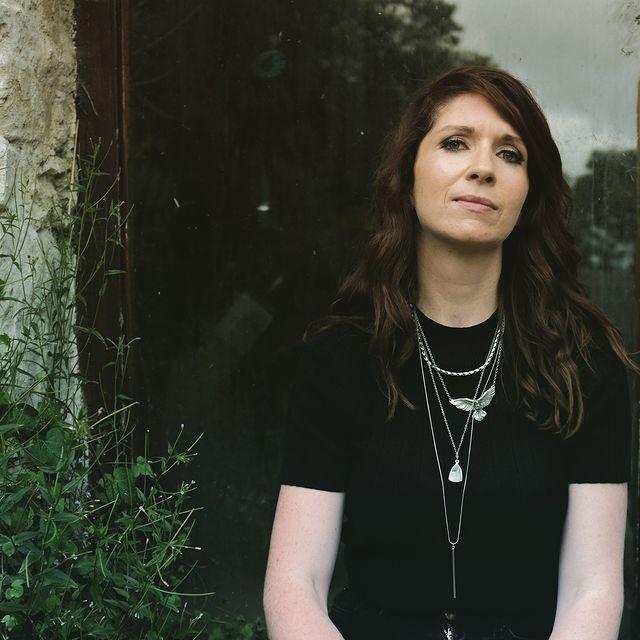
Sally Barker

Rock
Folk Rock
Pop Rock
Contemporary Blues
 Viberate Rank: 152873
 Viberate Rank: 152873
 Monthly ListenersFollowers
 Subscribers
 Followers
 Followers
 FansTop Spotify Songs
| Track | 7-Day Streams | |
|---|---|---|
1 | 663 | |
2 | 330 | |
3 | 263 | |
4 | 235 | |
5 | 161 |
Top YouTube Videos| Video | 7-Day Views | |
|---|---|---|
1 | 40.78K | |
2 | 252 | |
3 | 239 | |
4 | 215 | |
5 | 151 |
Monthly ListenersFeatured in Playlists| Playlist | Followers | |
|---|---|---|
1 | Christina Perri — A Thousand Years thomasorbos | 4.25K |
2 | Jazz & 80's covers narudcram | 3.00K |
3 |  Anthems of Change Death, Sex & Money | 2.90K |
4 |  FAQS - Preguntes freqüents 3Cat | 2.05K |
5 |  ABC Lounge Jazz Thomas Rolfsson Zumbrunnen | 1.83K |
Audience| City | Monthly Listeners | |
|---|---|---|
1 | | 97 |
2 |  | 66 |
3 | | 50 |
4 | | 35 |
5 |  | 31 |
See full performance history, audience data, playlist activity, rankings, comparisons, and more in Viberate music analytics. Start with a free trial, then continue with a paid plan.
Sally Barker’s Spotify BioEnglish singer/songwriter Sally Barker initially found fame with her folk songs in the '80s, but later progressed to the final of 2014's edition of The Voice UK. Born in Barrow Upon Soar, Leicestershire, Barker's bluesy voice and impressive guitar work were influenced by the likes of Bessie Smith, John Martyn, and Aretha Franklin, and she began her musical career as one part of a duo called Sally & Chris, performing folk-blues in pubs across the Midlands. Barker relocated to London in 1986 where she began working on her solo career, and the following year she won the National Song Search Competition and supported folk luminaries Fairport Convention and Taj Mahal. She released her self-titled debut in 1989, but it was her second album, This Rhythm Is Mine, which came in 1990 that marked the ongoing maturity of her musical potential, and subsequently led to support slots with Bob Dylan and Robert Plant. Later that year she formed the acclaimed Poozies, playing a mixture of Cajun, folk,… blues, and country, featuring harpists Mary McMaster and Patsy Seddon of Sileás, with Jenny Gardner (fiddle) and Karen Tweed (accordion) completing the lineup. The band recorded a couple of albums together before Barker left in 1995 prior to the birth of her first child. In the following years her musical appearances were limited, but she did provide vocals for Pete Morton's 1997 release Courage, Love & Grace, and a year later was heard on Janet Russell's Gathering the Fragments.
Barker didn't return to the scene until 2003, when she released Maid in England, which came after six years of writing that were interrupted by two pregnancies and her husband's untimely illness, which he eventually succumbed to months after the album's release. Music then became an education for Barker, and she enrolled in a Music Technology course at de Montfort University. Almost a decade after she departed Poozies in 2006 she returned to the lineup for a series of shows, stepping in for the pregnant Eilidh Shaw, and a year later rejoined the band permanently. Once she had completed her studies, Barker began the Joni Mitchell Project with pianist Glenn Hughes, which featured songs from the repertoire of Joni Mitchell. In 2010 they released Conversation: The Joni Tapes, Vol.1, and she went on to work intermittently on several projects, including Genfan & Barker with American guitarist Vicki Genfen, Buck & Barker with multi-instrumentalist Keith Buck, and Barker & Son with her son Dillon Wakeford. She suffered a period of ill health in 2013, and during this time she was encouraged by her family to audition for the BBC program The Voice.
In 2014 Barker appeared on the show's blind audition singing Nina Simone's "Don't Let Me Be Misunderstood," where she impressed coach Tom Jones and was selected to go through to the next round. She progressed through the stages with performances of Dionne Warwick's "Walk on By" and Bee Gees' "To Love Somebody" on her road to the show's final. Despite a wonderful duet of "Walking in Memphis" with mentor Tom Jones, and a version of Olly Murs' "Dear Darlin," which entered the U.K. Top 40 Singles chart, Barker lost out to eventual winner Jermain Jackman. ~ Scott Kerr, Rovi
Viberate is a music analytics platform built for A&Rs, artist managers, labels, booking agents, marketers, and artists.
It helps music professionals track artist growth, analyze audience data, monitor playlist activity, compare artists, follow song performance, and identify opportunities across the music market.
Public artist pages provide a free preview of selected artist data. Paid plans provide access to deeper analytics, historical data, charts, comparisons, playlist tools, exports, alerts, reports, and additional professional features.
Yes. Public Viberate artist pages provide selected artist analytics and music data for free.
Viberate also offers a 7-day free trial of the full platform. A credit card is required to start the trial. The trial includes access to the complete product so users can test deeper artist analytics, historical views, playlist insights, comparisons, charts, exports, alerts, and reporting features before choosing a paid plan.
Viberate provides artist analytics across streaming, playlists, social media, video, radio airplay, songs, and audience markets.
Users can analyze Spotify performance, Spotify and Apple Music playlists, YouTube activity, TikTok and Instagram growth, radio spins, song performance, audience locations, demographics, rankings, and overall artist momentum.
Artist profiles also connect to music charts, similar artists, and comparison tools, helping users benchmark performance and evaluate artists in context.
Viberate updates key artist and track data daily.
For followed artists and tracks, selected data is refreshed multiple times per day. This helps teams monitor playlist changes, streaming movement, audience growth, releases, and campaign performance with more current data.
Update frequency can vary depending on the metric and data source.
Yes. Viberate lets users compare up to five artists side by side across streaming, social media, audience, and engagement metrics.
Users can compare fanbase growth, audience demographics, locations, Spotify performance, social metrics, and other artist data over selected time periods.
Artist comparison can be used for A&R scouting, benchmarking, booking decisions, campaign planning, and evaluating artists with similar audiences or market positions.