Saline Grace

Rock
Alternative Rock
Psychedelic Rock
 Viberate Rank: 557859
 Viberate Rank: 557859
 Monthly ListenersFollowers
 Subscribers
 Followers
 Followers
 FansTop Spotify Songs
| Track | 7-Day Streams | |
|---|---|---|
1 | 36 | |
2 | 4 | |
3 | 1 | |
4 | 1 |
Top YouTube VideosMonthly ListenersFeatured in Playlists| Playlist | Followers | |
|---|---|---|
1 |  This Feels Like: Cyberpunk Press Play | 22.14K |
2 |  Alternatively indie Donovan Bailey | 20.95K |
3 |  Indie Rock Forever Velocity Records | 17.76K |
4 |  One stop alt shop Donovan Bailey | 12.78K |
5 |  Too indie for mainstream Donovan Bailey | 12.67K |
Audience| City | Monthly Listeners | |
|---|---|---|
1 |  | 35 |
2 |  | 18 |
3 | | 10 |
4 |  | 9 |
5 |  | 9 |
See full performance history, audience data, playlist activity, rankings, comparisons, and more in Viberate music analytics. Start with a free trial, then continue with a paid plan.
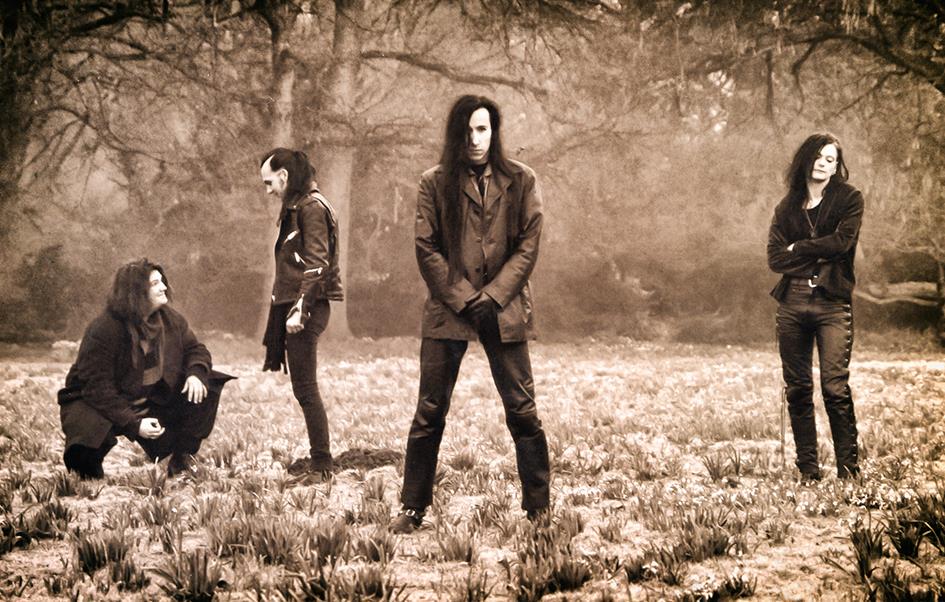
Saline Grace’s Spotify BioEstablished in 2005 by Ricardo Hoffmann (vocals, guitar, piano, organ, banjo, concertina, singing saw) and Ines Hoffmann (bass, guitar), the Berlin based band Saline Grace evoke a deeply sinister fascination.
Indeed, on the one hand they combine the nightmarish accentuated scenes of a David Lynch with Nick Cave-like raging and the philosophical poetry of a Leonard Cohen, but on the other hand creating pictorial synaesthesias they raise nightly panoramas from imaginatively enraptured roadmovies and give not uncommonly a premonition of British bands like And Also The Trees, Tindersticks or those mystical moments of the American band The Doors.
Saline Grace’s intentionally antiquated arrangements, mainly consisting of a mandoline-like guitar, twang or slide guitar sounds, bass, piano, organ and dark jazz drums, draw marvellously attention to singer and composer Ricardo Hoffmann’s emotional baritone.
Viberate is a music analytics platform built for A&Rs, artist managers, labels, booking agents, marketers, and artists.
It helps music professionals track artist growth, analyze audience data, monitor playlist activity, compare artists, follow song performance, and identify opportunities across the music market.
Public artist pages provide a free preview of selected artist data. Paid plans provide access to deeper analytics, historical data, charts, comparisons, playlist tools, exports, alerts, reports, and additional professional features.
Yes. Public Viberate artist pages provide selected artist analytics and music data for free.
Viberate also offers a 7-day free trial of the full platform. A credit card is required to start the trial. The trial includes access to the complete product so users can test deeper artist analytics, historical views, playlist insights, comparisons, charts, exports, alerts, and reporting features before choosing a paid plan.
Viberate provides artist analytics across streaming, playlists, social media, video, radio airplay, songs, and audience markets.
Users can analyze Spotify performance, Spotify and Apple Music playlists, YouTube activity, TikTok and Instagram growth, radio spins, song performance, audience locations, demographics, rankings, and overall artist momentum.
Artist profiles also connect to music charts, similar artists, and comparison tools, helping users benchmark performance and evaluate artists in context.
Viberate updates key artist and track data daily.
For followed artists and tracks, selected data is refreshed multiple times per day. This helps teams monitor playlist changes, streaming movement, audience growth, releases, and campaign performance with more current data.
Update frequency can vary depending on the metric and data source.
Yes. Viberate lets users compare up to five artists side by side across streaming, social media, audience, and engagement metrics.
Users can compare fanbase growth, audience demographics, locations, Spotify performance, social metrics, and other artist data over selected time periods.
Artist comparison can be used for A&R scouting, benchmarking, booking decisions, campaign planning, and evaluating artists with similar audiences or market positions.