Safety Orange

Rock
Pop Rock
Reggae Fusion
 Viberate Rank: 120782
 Viberate Rank: 120782
 Monthly ListenersFollowers
 Subscribers
 Followers
 Followers
 FansTop Spotify Songs
| Track | 7-Day Streams | |
|---|---|---|
1 | 20.61K | |
2 | 6.93K | |
3 | 5.80K | |
4 | 5.52K | |
5 | 4.62K |
Top YouTube VideosMonthly ListenersFeatured in Playlists| Playlist | Followers | |
|---|---|---|
1 |  Late Night Indie musicsfavorites | 59.32K |
2 |  POV: 2000s Alt Rock HomePod | 59.21K |
3 |  🇺🇸 Cali Reggae @calireggaespotify 🇺🇸 Cali Reggae | 47.38K |
4 |  Reggae Covers Of Non Reggae Songs Douwe Boerstra | 47.02K |
5 |  Canal Off Surf Music Vitor Sapucaia | 35.45K |
Audience| City | Monthly Listeners | |
|---|---|---|
1 | | 1.64K |
2 | | 1.35K |
3 | | 1.33K |
4 | | 1.20K |
5 | | 1.20K |
See full performance history, audience data, playlist activity, rankings, comparisons, and more in Viberate music analytics. Start with a free trial, then continue with a paid plan.
Safety Orange’s Spotify BioFamily, Friends, Music, and Surfing.
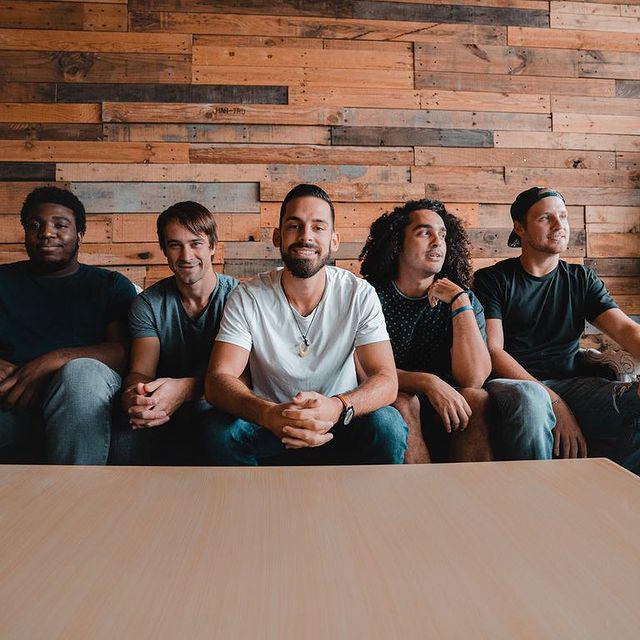
A product of the Californian sunshine, Beach Rock band Safety Orange have been proudly jamming across the US since ‘95. Founded through a love for surfing and good music, their laid-back, reggae-tinged approach to rock has seen them record four studio albums, spread their sound across the country, and broadcast good vibes to listeners around the globe.
Founded in San Diego, California by surfing buddies Harry Elmore and Sol Turpin. Over the years, Safety Orange have gone on to craft out a sound truly unique to themselves – strong on the downbeat, soulfully uplifting and wrapped up in reggae-rock tones that intertwine with lashings of punk, ska, and Latin music.
Like most great stories, the one of Safety Orange was birthed by chance. After a surf session, Sol was promptly asked to step in on bass by co-founder Harry. It wasn’t long before the duo played at a friend's house party, where they proceeded to tear the roof off and alter the very course of… their musical lives. Since then, Safety Orange has never looked back – they fell in love with playing music for others, and Sol has since strived to bring the Safety Orange sound to others across the globe.
Thanks for the love - Sol
Viberate is a music analytics platform built for A&Rs, artist managers, labels, booking agents, marketers, and artists.
It helps music professionals track artist growth, analyze audience data, monitor playlist activity, compare artists, follow song performance, and identify opportunities across the music market.
Public artist pages provide a free preview of selected artist data. Paid plans provide access to deeper analytics, historical data, charts, comparisons, playlist tools, exports, alerts, reports, and additional professional features.
Yes. Public Viberate artist pages provide selected artist analytics and music data for free.
Viberate also offers a 7-day free trial of the full platform. A credit card is required to start the trial. The trial includes access to the complete product so users can test deeper artist analytics, historical views, playlist insights, comparisons, charts, exports, alerts, and reporting features before choosing a paid plan.
Viberate provides artist analytics across streaming, playlists, social media, video, radio airplay, songs, and audience markets.
Users can analyze Spotify performance, Spotify and Apple Music playlists, YouTube activity, TikTok and Instagram growth, radio spins, song performance, audience locations, demographics, rankings, and overall artist momentum.
Artist profiles also connect to music charts, similar artists, and comparison tools, helping users benchmark performance and evaluate artists in context.
Viberate updates key artist and track data daily.
For followed artists and tracks, selected data is refreshed multiple times per day. This helps teams monitor playlist changes, streaming movement, audience growth, releases, and campaign performance with more current data.
Update frequency can vary depending on the metric and data source.
Yes. Viberate lets users compare up to five artists side by side across streaming, social media, audience, and engagement metrics.
Users can compare fanbase growth, audience demographics, locations, Spotify performance, social metrics, and other artist data over selected time periods.
Artist comparison can be used for A&R scouting, benchmarking, booking decisions, campaign planning, and evaluating artists with similar audiences or market positions.