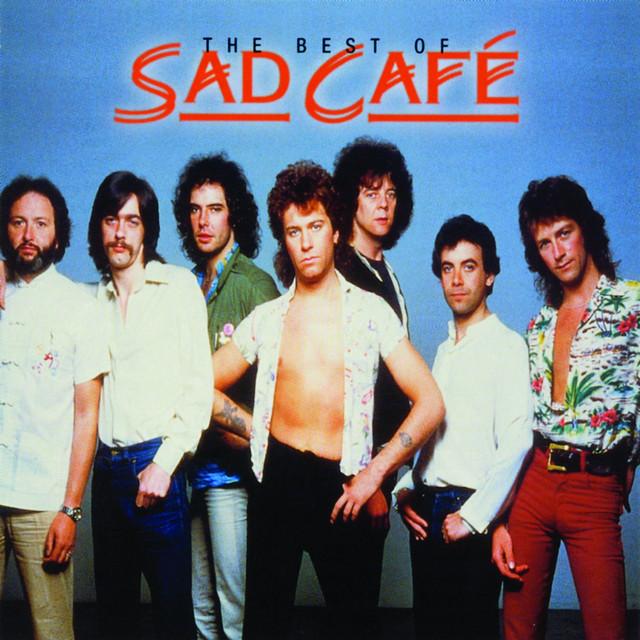
Sad Café

Rock
Pop Rock
Mainstream Pop
 Viberate Rank: 177445
 Viberate Rank: 177445
 Monthly ListenersFollowers
 Subscribers
 Followers
 Followers
 FansTop Spotify Songs
| Track | 7-Day Streams | |
|---|---|---|
1 | 10.77K | |
2 | 9.45K | |
3 | 1.02K | |
4 | 374 | |
5 | 352 |
Top YouTube VideosMonthly ListenersFeatured in Playlists| Playlist | Followers | |
|---|---|---|
1 |  80s Power Ballads Chris Brough | 126.83K |
2 |  Magic FM captain_razalar | 22.76K |
3 |  Ekdom's Platenkast Gerard Ekdom | 16.15K |
4 | Lady Gaga - Greatest Hits Lindseylovespaul | 14.54K |
5 | Peter Kay's Car Share Paul Morgan | 12.19K |
Audience| City | Monthly Listeners | |
|---|---|---|
1 | | 2.24K |
2 | | 1.58K |
3 | | 682 |
4 | | 620 |
5 | | 333 |
See full performance history, audience data, playlist activity, rankings, comparisons, and more in Viberate music analytics. Start with a free trial, then continue with a paid plan.
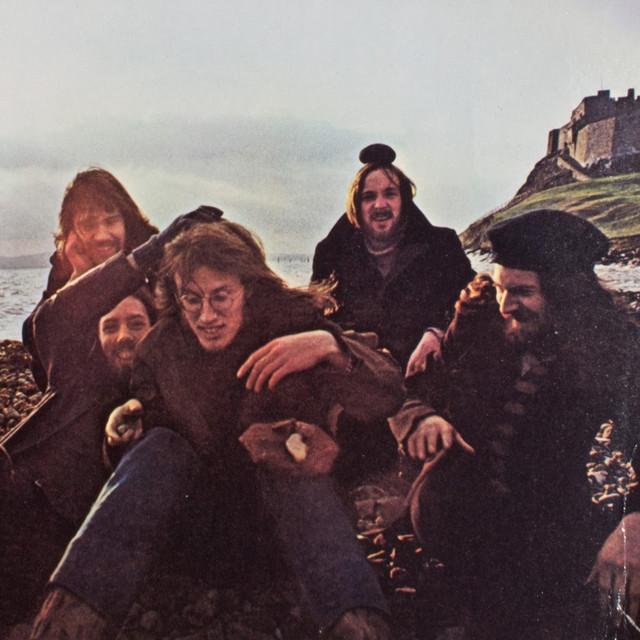
Sad Café’s Spotify BioThe British soft rock outfit Sad Café enjoyed a somewhat successful recording career from the mid-'70s through the early '80s. The group's leader, singer Paul Young (not the same Paul Young that scored the '80s hit "Every Time You Go Away"), got his start with music in the mid-'60s, when he fronted a forgotten Manchester group called the Toggery Five. (The band included a few members that would later go on to join prog rockers Jethro Tull: guitarist Mick Abrahams and drummer Clive Bunker.) By the early '70s, Young was fronting another outfit, Gyro, and by 1976, opted to leave the band -- taking Gyro guitarist Ian Wilson with him. Young then formed Sad Café, along with members of another Manchester band, Mandalaband (Ashley Mumford [guitar], Vic Emerson [keyboards], John Stimpson [bass], Tony Creswell [drums]), who had issued an obscure self-titled release in 1975. The fledgling group signed a deal with the Chrysalis label, but for reasons unknown, the record company shelved a debut… album finished in 1976. Switching to RCA, some of the songs from their proposed 1976 debut were included on Fanx Ta-Ra, issued a year later, which was followed by further releases 1977's Hungry Eyes, 1978's Misplaced Ideals, and 1979's Facades (the latter of which spawned the group their biggest hit single, the U.K. Top Five "Every Day Hurts"). It was also around this time that Mandalaband briefly re-formed for an album (which Young supplied vocals to), The Eye of Wendor.
Sad Café was never able to follow up their single with another substantial hit, and decided to call it a day in 1981, after a few more underappreciated albums saw the light of day (1980's self-titled release, plus 1981's Live and Olé). Young later re-surfaced as one of the singers of Mike + the Mechanics, a side project of Genesis guitarist Mike Rutherford (sharing the vocal duties with Paul Carrack), that scored a big hit with their self-titled debut in 1985. The late '80s saw Young join up once more with Ian Wilson under the Sad Café moniker, issuing 1986's The Politics of Existence (with guest spots by both Rutherford and Carrack). From here on out, Young split his time between Sad Café (1994's Whatever It Takes) and Mike + the Mechanics (1988's The Living Years, 1991's Word of Mouth, 1995's Beggar on a Beach of Gold, and 1999's self-titled release), and in 1993, took part in a benefit concert for a British hospital, that featured an unusual line-up that was a combination of both Mike + the Mechanics and Pink Floyd -- David Gilmour (guitar, vocals), Rick Wright (keyboards, vocals), Nick Mason (drums), Tim Renwick (guitar, vocals), Mike Rutherford (bass, vocals), Gary Wallis (drums), and Young. On July 15, 2000, Young passed away in Cheshire, England, at the age of 53, effectively ending any hope of further Sad Café offerings. Keyboard player Vic Emerson succumbed to pancreatic cancer on October 13, 2018. ~ Greg Prato, Rovi
Viberate is a music analytics platform built for A&Rs, artist managers, labels, booking agents, marketers, and artists.
It helps music professionals track artist growth, analyze audience data, monitor playlist activity, compare artists, follow song performance, and identify opportunities across the music market.
Public artist pages provide a free preview of selected artist data. Paid plans provide access to deeper analytics, historical data, charts, comparisons, playlist tools, exports, alerts, reports, and additional professional features.
Yes. Public Viberate artist pages provide selected artist analytics and music data for free.
Viberate also offers a 7-day free trial of the full platform. A credit card is required to start the trial. The trial includes access to the complete product so users can test deeper artist analytics, historical views, playlist insights, comparisons, charts, exports, alerts, and reporting features before choosing a paid plan.
Viberate provides artist analytics across streaming, playlists, social media, video, radio airplay, songs, and audience markets.
Users can analyze Spotify performance, Spotify and Apple Music playlists, YouTube activity, TikTok and Instagram growth, radio spins, song performance, audience locations, demographics, rankings, and overall artist momentum.
Artist profiles also connect to music charts, similar artists, and comparison tools, helping users benchmark performance and evaluate artists in context.
Viberate updates key artist and track data daily.
For followed artists and tracks, selected data is refreshed multiple times per day. This helps teams monitor playlist changes, streaming movement, audience growth, releases, and campaign performance with more current data.
Update frequency can vary depending on the metric and data source.
Yes. Viberate lets users compare up to five artists side by side across streaming, social media, audience, and engagement metrics.
Users can compare fanbase growth, audience demographics, locations, Spotify performance, social metrics, and other artist data over selected time periods.
Artist comparison can be used for A&R scouting, benchmarking, booking decisions, campaign planning, and evaluating artists with similar audiences or market positions.