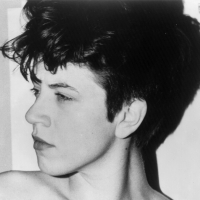
Saâda Bonaire

Electronic
Other Electronic Music
Other Middle Eastern Music
 Viberate Rank: 89906
 Viberate Rank: 89906
 Monthly ListenersFollowers
 Subscribers
 Followers
 Followers
 FansTop Spotify Songs
| Track | 7-Day Streams | |
|---|---|---|
1 | 28.98K | |
2 | 20.11K | |
3 | 14.23K | |
4 | 8.75K | |
5 | 7.36K |
Top YouTube VideosMonthly ListenersFeatured in Playlists| Playlist | Followers | |
|---|---|---|
1 |  🗝️ IF U PLZ 🗝️ carolineplz | 63.72K |
2 |  ⭕ FEEL MY BICEP PLAYLIST ⭕ Bicep | 35.05K |
3 |  Sofia Kourtesis track IDs Spotify | 34.88K |
4 |  Dünyadan Sesler Dünyadan Sesler | 33.88K |
5 | Unofficial Reverb Radio Jeff Ferruzzo | 21.82K |
Audience| City | Monthly Listeners | |
|---|---|---|
1 | | 4.69K |
2 |  | 4.26K |
3 |  | 2.92K |
4 | | 2.72K |
5 | | 2.66K |
See full performance history, audience data, playlist activity, rankings, comparisons, and more in Viberate music analytics. Start with a free trial, then continue with a paid plan.
Saâda Bonaire’s Spotify BioThe history of Saâda Bonaire has to be divided into two periods.
A) 1980 - 1988 B) 1990 - 1995
Saâda Bonaire was an art concept project formed in Bremen by DJ ralph "von" richthoven, vocalists Stephanie Lange & Claudia Hossfeld in 1982. Saâda Bonaire's objective was to combine wave, reggae, dub, disco and arabian music into a string of otherworldly thought provocative dance floor hits. In 1982 the group was signed to EMI Germany. London based dub wizard Dennis Bovell produced the group's only single at the Kraftwerk-studio in Cologne. But EMI dropped the group one week before the release of the 12". Label-less, the two girls and Richthoven continued recording before finally calling it quits 1987. Who would have guessed that decades later Saâda Bonaire would be perceived as early icons of feminist pop poetry.
In 2013 Captured Tracks released a self titled double lp with these Saâda Bonaire-tracks from the 80.s
in 1991 the story continues: Richthoven had began a production… collaboration with Mike Ellington. Mike had built a recording studio in the catacombs beneath the sex shop his father owned. The supercharged soul-voice of Andrea Ebert was a perfect contrast to Steffi's deadpan vocal style. Musically, the project moved between soul-funk, trip-hop house & oriental elements in the 90s. It wasn't until 2021 that these Saâda Bonaire tracks from the 90s accidentally turned up in East Berlin. The material was immediately released by Captured Tracks in New York.
Viberate is a music analytics platform built for A&Rs, artist managers, labels, booking agents, marketers, and artists.
It helps music professionals track artist growth, analyze audience data, monitor playlist activity, compare artists, follow song performance, and identify opportunities across the music market.
Public artist pages provide a free preview of selected artist data. Paid plans provide access to deeper analytics, historical data, charts, comparisons, playlist tools, exports, alerts, reports, and additional professional features.
Yes. Public Viberate artist pages provide selected artist analytics and music data for free.
Viberate also offers a 7-day free trial of the full platform. A credit card is required to start the trial. The trial includes access to the complete product so users can test deeper artist analytics, historical views, playlist insights, comparisons, charts, exports, alerts, and reporting features before choosing a paid plan.
Viberate provides artist analytics across streaming, playlists, social media, video, radio airplay, songs, and audience markets.
Users can analyze Spotify performance, Spotify and Apple Music playlists, YouTube activity, TikTok and Instagram growth, radio spins, song performance, audience locations, demographics, rankings, and overall artist momentum.
Artist profiles also connect to music charts, similar artists, and comparison tools, helping users benchmark performance and evaluate artists in context.
Viberate updates key artist and track data daily.
For followed artists and tracks, selected data is refreshed multiple times per day. This helps teams monitor playlist changes, streaming movement, audience growth, releases, and campaign performance with more current data.
Update frequency can vary depending on the metric and data source.
Yes. Viberate lets users compare up to five artists side by side across streaming, social media, audience, and engagement metrics.
Users can compare fanbase growth, audience demographics, locations, Spotify performance, social metrics, and other artist data over selected time periods.
Artist comparison can be used for A&R scouting, benchmarking, booking decisions, campaign planning, and evaluating artists with similar audiences or market positions.