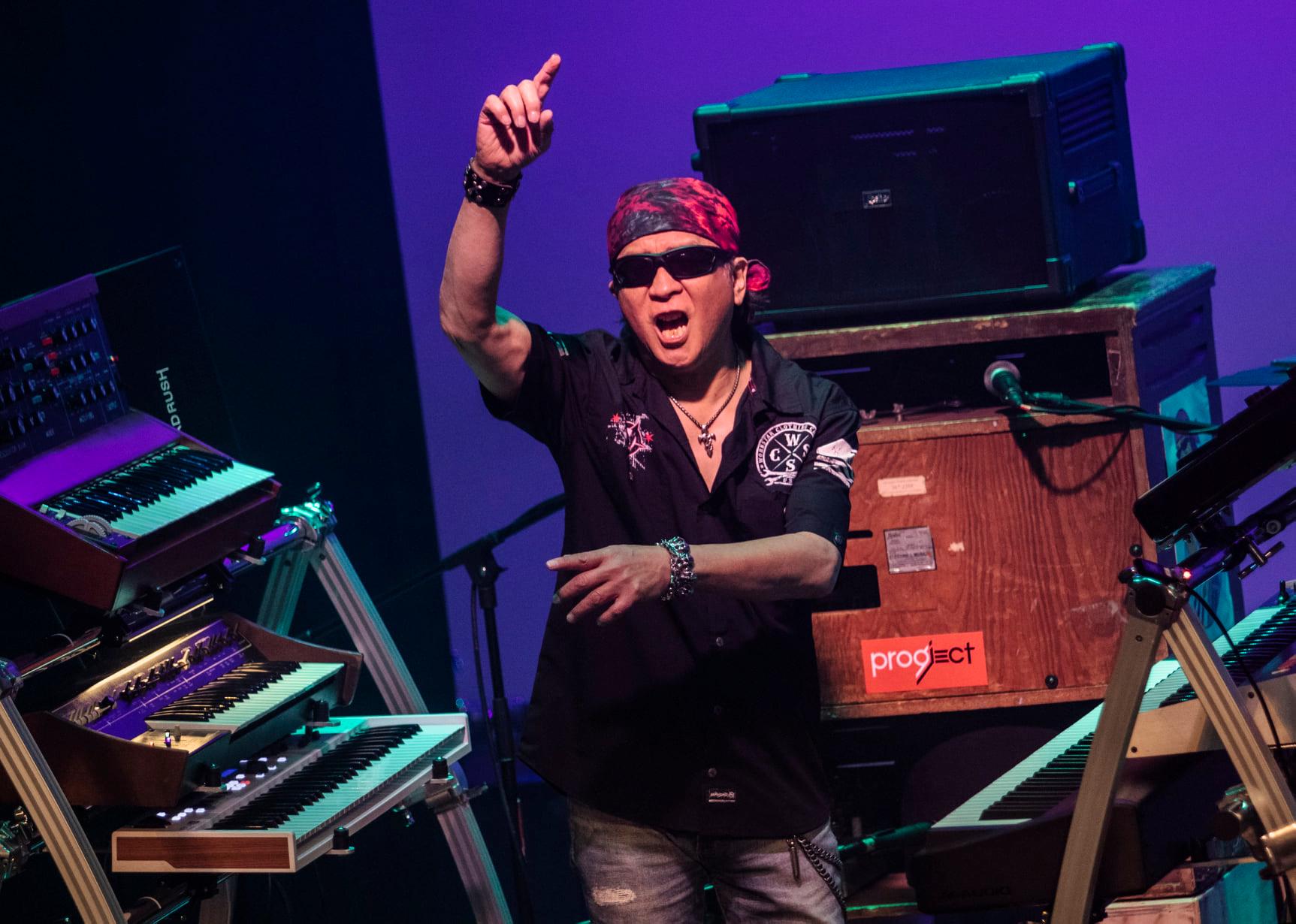
Ryo Okumoto

Rock
Progressive Rock
 Viberate Rank: 389295
 Viberate Rank: 389295
 Monthly ListenersFollowers
 Subscribers
 Followers
 Followers
 FansTop Spotify Songs
| Track | 7-Day Streams | |
|---|---|---|
1 | 24 | |
2 | 18 | |
3 | 15 | |
4 | 14 | |
5 | 9 |
Top YouTube Videos| Video | 7-Day Views | |
|---|---|---|
1 | 33 | |
2 | 31 | |
3 | 23 | |
4 | 20 | |
5 | 12 |
Monthly ListenersFeatured in Playlists| Playlist | Followers | |
|---|---|---|
1 |  japanese psychedelic / progressive rock 🧿 dialectic ego death 🧿 | 4.75K |
2 | 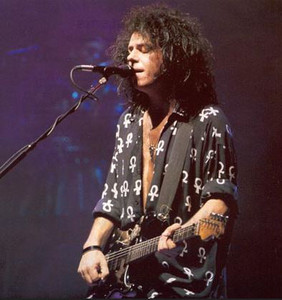 Steve Lukather- Sessions (in chronological) Toni Taipale | 3.19K |
3 |  The Sound of Neo-Progressive The Sounds of Spotify | 1.95K |
4 | Modern Progressive Rock & Metal (by DPRP) Andy Read | 1.34K |
5 |  Prog Rock: Wondrous Stories - a 57 year Chronology of Prog classics & obscure gems. rwilliamson.family | 1.15K |
Audience| City | Monthly Listeners | |
|---|---|---|
1 |  | 3 |
See full performance history, audience data, playlist activity, rankings, comparisons, and more in Viberate music analytics. Start with a free trial, then continue with a paid plan.
Ryo Okumoto’s Spotify BioSince the mid-'90s, keyboardist Ryo Okumoto has been best-known for his lasting tenure in the American progressive rock group Spock's Beard, but he has done a lot of different things before he joined. His track record includes recording sessions and live performances with pop and R&B artists like Peabo Bryson, Phil Collins, and Aretha Franklin on the one hand, new age king Kitaro, and a handful of easy listening albums on the other, plus of course the various pet projects of Spock's Beard's members.
Okumoto was born in Osaka, Japan, in a family where music was an obligatory part of a child's education. He took piano lessons from ages 3 to 13. At 15, he dropped out of school to take his first professional job at the Live House in Osaka. A year later he moved to the big city -- Tokyo. From 1975 to 1980 he played night clubs and recording sessions both as a house band keyboardist and as a "real" member in a number of Japanese rock groups. The most popular was Creation, with whom he… recorded his first album as a group member in 1978. While Creation's profile was rising, Okumoto also appeared on Kitaro's In Person LP and its accompanying tour. Kitaro's record label, Canyon, offered the young keyboardist a contract for three albums that were all delivered and released in 1980: Solid Gold, Makin' Rock, and Synthesizer. Recorded in London, Hollywood, and Tokyo, respectively, they featured an impressive cast of musicians, including David Foster and Toto guitarist Steve Lukather.
The LPs did not garner the interest (critical or popular) Okumoto was hoping for and, disenchanted, he decided to move to Los Angeles where he spent the next four years studying at the Dick Grove School of Music. His discography and live schedule picked up after his graduation in 1984. During the next 13 years, he has played the role of an adaptable sideman, performing with retro-R&B groups, pop sensations, and hard rock bands while recording with Homer, Earthshaker, Kuni, and Edwing, among other acts that didn't last long. In 1996-1997 he tried to earn a living in easy listening, producing three volumes of the Treasured Moments series and a couple of movie scores.
Meanwhile, in 1995, Okumoto met the Morse brothers and joined their group Spock's Beard, which had just released its first self-produced debut, The Light, and connected him back to his roots. The group's popularity among prog rock fans rose one notch with 1997's Beware of Darkness (the first album with the keyboardist on board) and crossed over to a wider audience with the release of The Kindness of Strangers in 1998, following the group's signing with the label Metal Blade. Since 1998, Okumoto has been working almost exclusively with Spock's Beard. He released Coming Through, his first solo album in over 20 years, in late 2002. ~ François Couture, Rovi
Viberate is a music analytics platform built for A&Rs, artist managers, labels, booking agents, marketers, and artists.
It helps music professionals track artist growth, analyze audience data, monitor playlist activity, compare artists, follow song performance, and identify opportunities across the music market.
Public artist pages provide a free preview of selected artist data. Paid plans provide access to deeper analytics, historical data, charts, comparisons, playlist tools, exports, alerts, reports, and additional professional features.
Yes. Public Viberate artist pages provide selected artist analytics and music data for free.
Viberate also offers a 7-day free trial of the full platform. A credit card is required to start the trial. The trial includes access to the complete product so users can test deeper artist analytics, historical views, playlist insights, comparisons, charts, exports, alerts, and reporting features before choosing a paid plan.
Viberate provides artist analytics across streaming, playlists, social media, video, radio airplay, songs, and audience markets.
Users can analyze Spotify performance, Spotify and Apple Music playlists, YouTube activity, TikTok and Instagram growth, radio spins, song performance, audience locations, demographics, rankings, and overall artist momentum.
Artist profiles also connect to music charts, similar artists, and comparison tools, helping users benchmark performance and evaluate artists in context.
Viberate updates key artist and track data daily.
For followed artists and tracks, selected data is refreshed multiple times per day. This helps teams monitor playlist changes, streaming movement, audience growth, releases, and campaign performance with more current data.
Update frequency can vary depending on the metric and data source.
Yes. Viberate lets users compare up to five artists side by side across streaming, social media, audience, and engagement metrics.
Users can compare fanbase growth, audience demographics, locations, Spotify performance, social metrics, and other artist data over selected time periods.
Artist comparison can be used for A&R scouting, benchmarking, booking decisions, campaign planning, and evaluating artists with similar audiences or market positions.