Ryan Neal

R&B
Contemporary R&B
 Viberate Rank: 365632
 Viberate Rank: 365632
 Monthly ListenersFollowers
 Subscribers
 Followers
 Followers
 FansTop Spotify Songs
| Track | 7-Day Streams | |
|---|---|---|
1 | 126 | |
2 | 44 | |
3 | 35 | |
4 | 19 | |
5 | 9 |
Top YouTube Videos| Video | 7-Day Views | |
|---|---|---|
1 | 4 | |
2 | 4 | |
3 | 3 | |
4 | 2 | |
5 | 2 |
Monthly ListenersFeatured in Playlists| Playlist | Followers | |
|---|---|---|
1 |  jazzy & groovy vibes Michiko Winata | 33.04K |
2 |  LEO YOUNG Leo Young | 14.51K |
3 |  Nashville Pop Chaz Mazzota | 5.33K |
4 |  R&B Soul Levitate Playlists | 4.09K |
5 |  Pop Party BOO Promo | 2.69K |
Audience| City | Monthly Listeners | |
|---|---|---|
1 |  | 28 |
2 | | 12 |
3 |  | 10 |
4 | | 7 |
5 | | 7 |
See full performance history, audience data, playlist activity, rankings, comparisons, and more in Viberate music analytics. Start with a free trial, then continue with a paid plan.
Ryan Neal’s Spotify BioDetroit-born, Nashville-based artist Ryan Neal delivers a fresh dose of Motown Bounce—his signature blend of funk, soul, hip-hop, and pop. A brain tumor survivor who lost hearing in one ear, Ryan channels resilience into every groove, crafting music that moves bodies and hearts in equal measure.
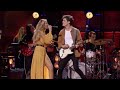
Following standout performances on ABC’s The Bachelor: Listen to Your Heart and sets at Electric Forest, Ryan has become a one-man powerhouse: singer-songwriter, multi-instrumentalist, producer, and performer.
His latest release, “Lucked Out” (feat. Southside MAB), is a pop-funk anthem about love, growth, and fresh starts—born from a Nashville sync-writing session and too catchy not to release.
With heartfelt lyrics, vibrant production, and infectious energy, Ryan’s tracks feel like vintage soul records beamed from the future. Whether he's onstage, in the studio, or vibing with his dog Mr. T and a slice of pizza, Ryan Neal is building a legacy rooted in authenticity, groove, and grit.
Viberate is a music analytics platform built for A&Rs, artist managers, labels, booking agents, marketers, and artists.
It helps music professionals track artist growth, analyze audience data, monitor playlist activity, compare artists, follow song performance, and identify opportunities across the music market.
Public artist pages provide a free preview of selected artist data. Paid plans provide access to deeper analytics, historical data, charts, comparisons, playlist tools, exports, alerts, reports, and additional professional features.
Yes. Public Viberate artist pages provide selected artist analytics and music data for free.
Viberate also offers a 7-day free trial of the full platform. A credit card is required to start the trial. The trial includes access to the complete product so users can test deeper artist analytics, historical views, playlist insights, comparisons, charts, exports, alerts, and reporting features before choosing a paid plan.
Viberate provides artist analytics across streaming, playlists, social media, video, radio airplay, songs, and audience markets.
Users can analyze Spotify performance, Spotify and Apple Music playlists, YouTube activity, TikTok and Instagram growth, radio spins, song performance, audience locations, demographics, rankings, and overall artist momentum.
Artist profiles also connect to music charts, similar artists, and comparison tools, helping users benchmark performance and evaluate artists in context.
Viberate updates key artist and track data daily.
For followed artists and tracks, selected data is refreshed multiple times per day. This helps teams monitor playlist changes, streaming movement, audience growth, releases, and campaign performance with more current data.
Update frequency can vary depending on the metric and data source.
Yes. Viberate lets users compare up to five artists side by side across streaming, social media, audience, and engagement metrics.
Users can compare fanbase growth, audience demographics, locations, Spotify performance, social metrics, and other artist data over selected time periods.
Artist comparison can be used for A&R scouting, benchmarking, booking decisions, campaign planning, and evaluating artists with similar audiences or market positions.