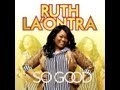
Ruth La'Ontra

R&B
Contemporary R&B
Gospel
 Viberate Rank: 110407
 Viberate Rank: 110407
 Monthly ListenersFollowers
 Subscribers
 Followers
 Followers
 FansTop Spotify Songs
| Track | 7-Day Streams | |
|---|---|---|
1 | 598 | |
2 | 215 | |
3 | 213 | |
4 | 181 | |
5 | 142 |
Top YouTube VideosMonthly ListenersFeatured in Playlists| Playlist | Followers | |
|---|---|---|
1 | Black Gospel Hits Terrelle Smith | 14.00K |
2 |  The Gospel Playlist Bil Carpenter | 9.69K |
3 |  Sarah Jakes Roberts SUE Arambula | 5.62K |
4 |  K-Love+ Marcus Randall | 5.51K |
5 | Contemporary Gospel Brie DaCosta | 2.49K |
Audience| City | Monthly Listeners | |
|---|---|---|
1 | | 65 |
2 | | 64 |
3 | | 48 |
4 | | 45 |
5 | | 41 |
See full performance history, audience data, playlist activity, rankings, comparisons, and more in Viberate music analytics. Start with a free trial, then continue with a paid plan.
Ruth La'Ontra’s Spotify BioOne of the brightest voices on today’s gospel music scene belongs to the dynamic rising star, Ruth La’Ontra. The vocal powerhouse is among a cool clique of young female singers such as Tasha Cobbs who are making big noise in the male-dominated gospel music world. After making a ripple with her debut album in 2013, La’Ontra is now making a big splash with her first Top Ten radio single, "Kingdom," which was shepherded by Grammy® Award nominated producers, Anthony Brown and Justin Savage.
La'Ontra was born June 22, 1992 in Pinehurst, NC where she grew up singing in church. She released her first album, "So Good," in the fall of 2013. The urban contemporary set of music featured the radio single, “Count It All Joy,” a rousing praise and worship ballad. “Count It All joy’ is a flashback to when songs had substance,” says Torrez Harris, Program Director for WHLH-FM in Jackson, MS. One of the songs from the set, “I’m In Love With A Man,” a love song to God, was featured in the motion… picture, “Iniquity.” The album won La’Ontra two Stellar Gospel Music Award nominations, including one in the coveted New Artist of the Year category.
“I literally sing every day of my life,” the bubbly songstress declares. “If
I’m not on somebody’s stage singing then I’m at home singing. “ As a kid,
her older siblings complained that she sang too much. “They’d always say
`can you shut up,’” she laughs. “But, now they see that God was preparing me for this moment and they are proud of me.”
Viberate is a music analytics platform built for A&Rs, artist managers, labels, booking agents, marketers, and artists.
It helps music professionals track artist growth, analyze audience data, monitor playlist activity, compare artists, follow song performance, and identify opportunities across the music market.
Public artist pages provide a free preview of selected artist data. Paid plans provide access to deeper analytics, historical data, charts, comparisons, playlist tools, exports, alerts, reports, and additional professional features.
Yes. Public Viberate artist pages provide selected artist analytics and music data for free.
Viberate also offers a 7-day free trial of the full platform. A credit card is required to start the trial. The trial includes access to the complete product so users can test deeper artist analytics, historical views, playlist insights, comparisons, charts, exports, alerts, and reporting features before choosing a paid plan.
Viberate provides artist analytics across streaming, playlists, social media, video, radio airplay, songs, and audience markets.
Users can analyze Spotify performance, Spotify and Apple Music playlists, YouTube activity, TikTok and Instagram growth, radio spins, song performance, audience locations, demographics, rankings, and overall artist momentum.
Artist profiles also connect to music charts, similar artists, and comparison tools, helping users benchmark performance and evaluate artists in context.
Viberate updates key artist and track data daily.
For followed artists and tracks, selected data is refreshed multiple times per day. This helps teams monitor playlist changes, streaming movement, audience growth, releases, and campaign performance with more current data.
Update frequency can vary depending on the metric and data source.
Yes. Viberate lets users compare up to five artists side by side across streaming, social media, audience, and engagement metrics.
Users can compare fanbase growth, audience demographics, locations, Spotify performance, social metrics, and other artist data over selected time periods.
Artist comparison can be used for A&R scouting, benchmarking, booking decisions, campaign planning, and evaluating artists with similar audiences or market positions.