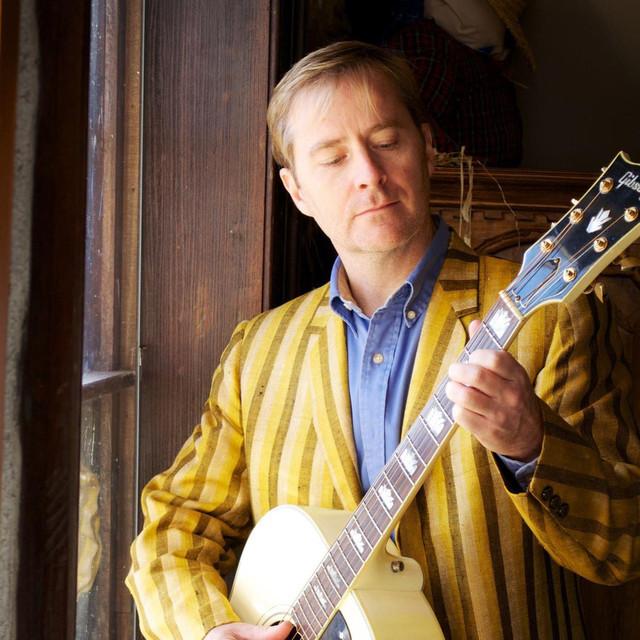
Russ Lee

Religious
Christian Music
 Viberate Rank: 322578
 Viberate Rank: 322578
 Monthly ListenersFollowers
 Subscribers
 Followers
 Followers
 FansTop Spotify Songs
| Track | 7-Day Streams | |
|---|---|---|
1 | 1.88K | |
2 | 691 | |
3 | 171 | |
4 | 105 | |
5 | 66 |
Top YouTube VideosMonthly ListenersFeatured in Playlists| Playlist | Followers | |
|---|---|---|
1 | 70s 80s Christian music Chellaskids61 | 2.71K |
2 | Z88.3 Cerys Evans | 1.24K |
3 | Christian Oldies :) Gideon | 1.17K |
4 |  Christian 90s/00s Top Hits - Nostalgia for 90s Kids Nikki Robinson | 1.14K |
5 | Christian Hits of the 2000s Christian Music Promo | 1.10K |
Audience| City | Monthly Listeners | |
|---|---|---|
1 | | 109 |
2 | | 68 |
3 | | 64 |
4 | | 61 |
5 | | 55 |
See full performance history, audience data, playlist activity, rankings, comparisons, and more in Viberate music analytics. Start with a free trial, then continue with a paid plan.
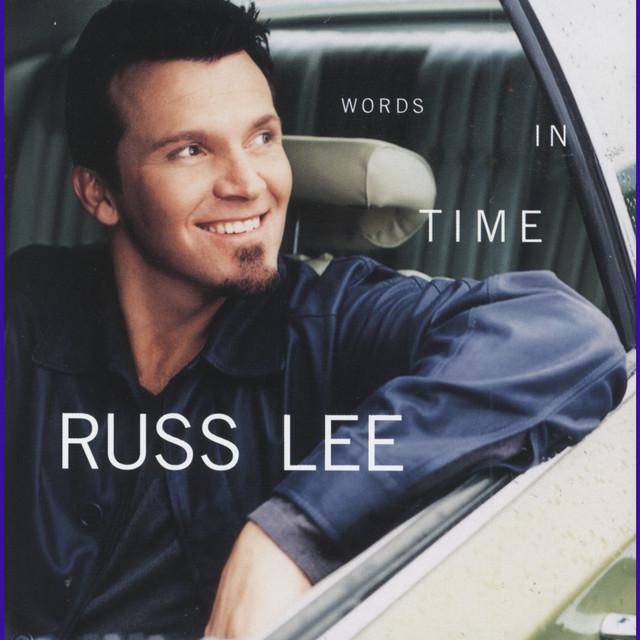
Russ Lee’s Spotify BioDuring the 1990s, contemporary Christian music vocalist Russ Lee became known just as much for his enthusiasm as for his voice. After several years as lead singer of the hitmaking CCM band Newsong, Lee embarked on a solo career in the late '90s. In addition to his Dove award nomination for Best Male Vocalist and his hits with Newsong, Lee found success with his solo debut, Words in Time, which included a rousing song that was soon to become the anthem for Lee and many CCM listeners, "Live What I Believe."
Born in Cleveland, TN, Lee grew up in the small Smokey Mountains town, hitting hard times during his teenage years, as he cared for his younger siblings while his mother struggled with mental illness and his father battled with alcoholism. In his early teens, he began working outside the home, too, seeking independence and stability. Lee first got into music playing guitar in a bar band, and got involved with drugs around the same age, but became increasingly dissatisfied with his… life. Lee eventually reached a breaking point, began attending Church, and turned his life around.
His enthusiasm for ministry (Lee is an ordained minister) and his love of music eventually led to Lee singing in the Christian group Truth, then joining popular CCM band Newsong in the early '90s. As lead vocalist, Lee toured and recorded several albums with Newsong. In the late '90s, Lee decided to pursue a solo career and moved from Atlanta, GA, back to Tennessee, this time with his wife and children.
They moved to Nashville, and there, Russ Lee embarked on his solo career, signing to EMI's Christian label, Sparrow Records, and working with producers Brian McCloud (Sheryl Crow) and Glen Rosenstein (Caedmon's Call) on his debut album, Words in Time (2000). This album features all original material -- with the exception of Lee's cover of a Mike and the Mechanics hit, "The Living Years" -- that melds his pop music influences with his message. The opening cut on Words in Time, "Live What I Believe," quickly became a favorite on Christian radio, and was even more enthusiastically received at live performances, becoming a kind of anthem for Lee and his Christian listeners. Late 2000 found Russ Lee on tour with vocal group Avalon, and preparing for his role as King Herod in a musical about the birth of Jesus. ~ Joslyn Layne, Rovi
Viberate is a music analytics platform built for A&Rs, artist managers, labels, booking agents, marketers, and artists.
It helps music professionals track artist growth, analyze audience data, monitor playlist activity, compare artists, follow song performance, and identify opportunities across the music market.
Public artist pages provide a free preview of selected artist data. Paid plans provide access to deeper analytics, historical data, charts, comparisons, playlist tools, exports, alerts, reports, and additional professional features.
Yes. Public Viberate artist pages provide selected artist analytics and music data for free.
Viberate also offers a 7-day free trial of the full platform. A credit card is required to start the trial. The trial includes access to the complete product so users can test deeper artist analytics, historical views, playlist insights, comparisons, charts, exports, alerts, and reporting features before choosing a paid plan.
Viberate provides artist analytics across streaming, playlists, social media, video, radio airplay, songs, and audience markets.
Users can analyze Spotify performance, Spotify and Apple Music playlists, YouTube activity, TikTok and Instagram growth, radio spins, song performance, audience locations, demographics, rankings, and overall artist momentum.
Artist profiles also connect to music charts, similar artists, and comparison tools, helping users benchmark performance and evaluate artists in context.
Viberate updates key artist and track data daily.
For followed artists and tracks, selected data is refreshed multiple times per day. This helps teams monitor playlist changes, streaming movement, audience growth, releases, and campaign performance with more current data.
Update frequency can vary depending on the metric and data source.
Yes. Viberate lets users compare up to five artists side by side across streaming, social media, audience, and engagement metrics.
Users can compare fanbase growth, audience demographics, locations, Spotify performance, social metrics, and other artist data over selected time periods.
Artist comparison can be used for A&R scouting, benchmarking, booking decisions, campaign planning, and evaluating artists with similar audiences or market positions.