Rubella Ballet

Punk
Punk Rock
Death Rock
 Viberate Rank: 287370
 Viberate Rank: 287370
 Monthly ListenersFollowers
 Subscribers
 Followers
 Followers
 FansTop Spotify Songs
| Track | 7-Day Streams | |
|---|---|---|
1 | 117 | |
2 | 83 | |
3 | 79 | |
4 | 60 | |
5 | 53 |
Top YouTube Videos| Video | 7-Day Views | |
|---|---|---|
1 | 333 | |
2 | 32 | |
3 | 18 | |
4 | 17 | |
5 | 9 |
Monthly ListenersFeatured in Playlists| Playlist | Followers | |
|---|---|---|
1 |  Spiraling (indie & experimental, old and new) L'ESPIRAL | 11.51K |
2 | Anarcho-punk Sheer Addiction | 8.15K |
3 |  underrated goth+ obscure goth floweredcorpse | 8.09K |
4 |  80's NEW WAVE : Dark gothic / sinth pop / post punk / new romantic Edoardo Gramigna | 5.58K |
5 | Tom Raven | 2.46K |
Audience| City | Monthly Listeners | |
|---|---|---|
1 |  | 38 |
2 | | 36 |
3 |  | 24 |
4 | | 18 |
5 | | 16 |
See full performance history, audience data, playlist activity, rankings, comparisons, and more in Viberate music analytics. Start with a free trial, then continue with a paid plan.
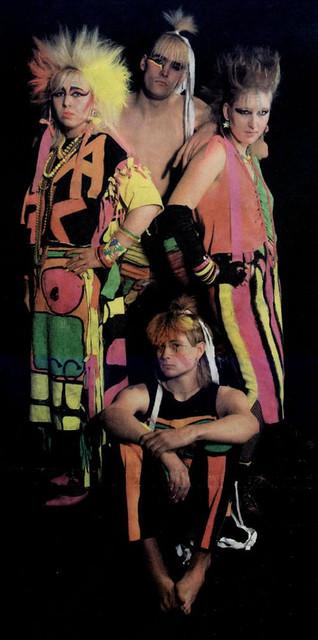
Rubella Ballet’s Spotify BioEngland's Rubella Ballet were easily one of the most colorful bands to be associated with the anarchist punk and gothic rock scenes. Despite their tense, paranoid music and urgent lyrics reflecting political as well as emotional issues, the group refused to adopt a brooding, imposing appearance. Instead, they dressed up in hand-designed Day-Glo outfits and used smoke machines and strobe lights to create a psychedelic light show during their concerts. The group's music was never monochromatic, either, incorporating synthesizers and samples, and experimenting with funk and dance rhythms. They always stayed true to punk's D.I.Y. philosophy, refusing deals from major labels and releasing much of their output on their own Ubiquitous Records.
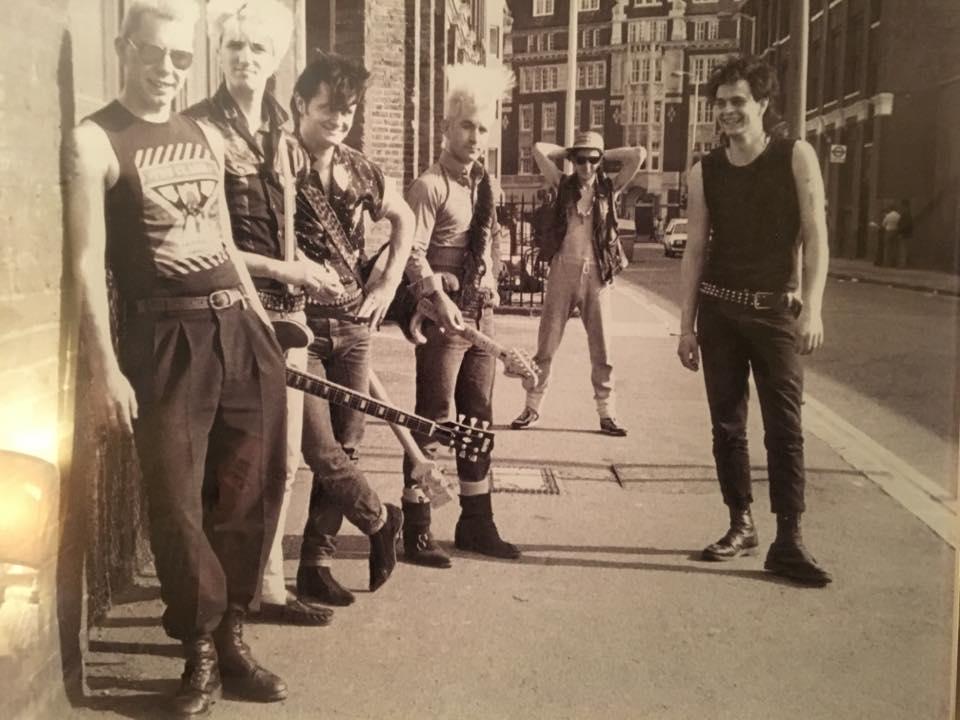
Rubella Ballet were founded in 1979 by guitarist Pete Fender and bassist Gem Stone (both children of Poison Girls' Vi Subversa) as well as drummer Sid Attion and his girlfriend, Zillah Minx. Womble and Annie Anxiety were vocalists of an early version of… the band, but Minx became the group's lead singer after Anxiety dropped out on short notice. Minx was living with Attion at the Poison Girls' household, and would use the band's equipment to rehearse and write material. First appearing on-stage during a Crass gig where the group left the stage and encouraged the audience members to create their own music, Rubella Ballet continued performing with an ever-shifting lineup, often sharing gigs with Poison Girls and Crass, even though they looked and sounded much different than those bands.
By late 1981, Rubella Ballet's lineup consisted of Minx, Attion, Stone, guitarist Andy Smith, and synthesizer player Eugene Crowley. The group recorded debut release Ballet Bag, which was issued as a cassette by Poison Girls' Xntrix label. The tape sold over 3,000 copies and caught the attention of legendary DJ John Peel, who invited Rubella Ballet to record their first Peel Session. Following incessant touring and a 7" EP titled Ballet Dance, which reached the Top Ten of the U.K. Independent Singles chart, they recorded another Peel Session in 1983. After touring with Death Cult in the U.K., the band (now featuring Zillah's sister Rachel Minx on bass) recorded the 42f 12" EP, which also hit the indie charts.
Even as Rubella Ballet appeared in music magazines and headlined concerts for thousands of people, they stuck to their ideals and performed and recorded on their own terms. The group founded Ubiquitous Records in 1985, issuing debut LP At Last It's Playtime and non-album single "Money Talks" that year. These were followed by second full-length If and another non-album single, "Arctic Flowers," in 1986. Cocktail Mix (1987) compiled Ballet Bag and Ballet Dance on LP, and Rubella Ballet completed their first American tour that year, including gigs with Faith No More and the Dead Kennedys. The Ballet's Birthday Box (1988) contained material from their seventh anniversary concert, as well as their American tour. Brave Records issued CD compilation Rubella Ballet's Greatest Trips and proper album At the End of the Rainbow in 1990, but the group split up shortly after. Attion (now calling himself Sid Truelove) and Minx began making rave music, forming the group Xenophobia along with MC Skallywag of freetekno pioneers Spiral Tribe. The group released a handful of EPs, and 1992 breakbeat hardcore track "Rushing the House" became a hit after being picked up by Kickin Records.
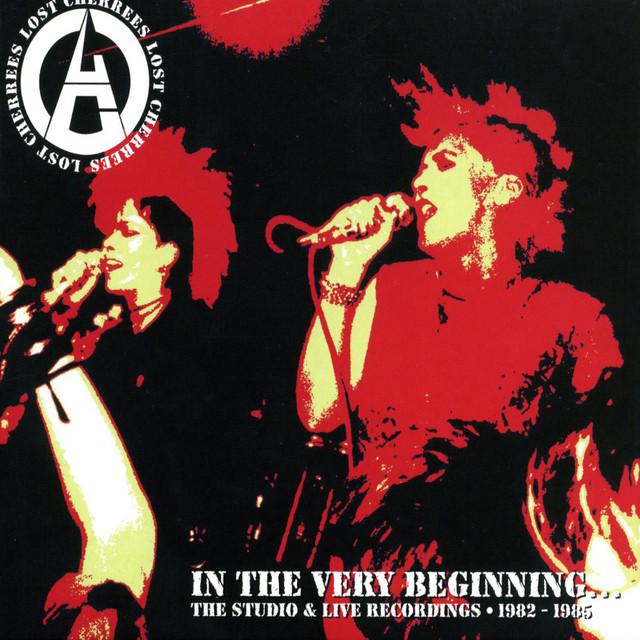
In 2000, Rubella Ballet played a reunion gig at a punk festival along with the Damned, Stiff Little Fingers, Steve Ignorant of Crass, and others. Sid and Zillah kept the group alive, performing with new and old members alike, although not as frequently as the band did during the '80s. Anarchy in the U.V. was issued by Overground Records in 2008, followed by Never Mind the Day-Glo Here's Rubella Ballet in 2010; the two releases contained the group's entire discography. Minx directed She's a Punk Rocker, a documentary about women in punk rock, which was released in 2010. Planet Punk, Rubella Ballet's first studio album in 24 years, was released in 2014. In 2017, Dark Entries released Ballet Bag as an LP, including both of the band's Peel Sessions. ~ Paul Simpson, Rovi
Viberate is a music analytics platform built for A&Rs, artist managers, labels, booking agents, marketers, and artists.
It helps music professionals track artist growth, analyze audience data, monitor playlist activity, compare artists, follow song performance, and identify opportunities across the music market.
Public artist pages provide a free preview of selected artist data. Paid plans provide access to deeper analytics, historical data, charts, comparisons, playlist tools, exports, alerts, reports, and additional professional features.
Yes. Public Viberate artist pages provide selected artist analytics and music data for free.
Viberate also offers a 7-day free trial of the full platform. A credit card is required to start the trial. The trial includes access to the complete product so users can test deeper artist analytics, historical views, playlist insights, comparisons, charts, exports, alerts, and reporting features before choosing a paid plan.
Viberate provides artist analytics across streaming, playlists, social media, video, radio airplay, songs, and audience markets.
Users can analyze Spotify performance, Spotify and Apple Music playlists, YouTube activity, TikTok and Instagram growth, radio spins, song performance, audience locations, demographics, rankings, and overall artist momentum.
Artist profiles also connect to music charts, similar artists, and comparison tools, helping users benchmark performance and evaluate artists in context.
Viberate updates key artist and track data daily.
For followed artists and tracks, selected data is refreshed multiple times per day. This helps teams monitor playlist changes, streaming movement, audience growth, releases, and campaign performance with more current data.
Update frequency can vary depending on the metric and data source.
Yes. Viberate lets users compare up to five artists side by side across streaming, social media, audience, and engagement metrics.
Users can compare fanbase growth, audience demographics, locations, Spotify performance, social metrics, and other artist data over selected time periods.
Artist comparison can be used for A&R scouting, benchmarking, booking decisions, campaign planning, and evaluating artists with similar audiences or market positions.