RP Boo

Electronic
Other Electronic Music
Drum & Bass
 Viberate Rank: 156092
 Viberate Rank: 156092
 Monthly ListenersFollowers
 Subscribers
 Followers
 Followers
 FansTop Spotify Songs
| Track | 7-Day Streams | |
|---|---|---|
1 | 710 | |
2 | 629 | |
3 | 343 | |
4 | 309 | |
5 | 260 |
Top YouTube VideosMonthly ListenersFeatured in Playlists| Playlist | Followers | |
|---|---|---|
1 |  Footwork/Juke Spotify | 38.72K |
2 |  SHERELLE's track IDs Spotify | 33.71K |
3 |  enya and drew’s media erika | 14.71K |
4 |  my stick - Kornél Kovács Kornél Kovács | 10.28K |
5 |  The 200 Best Albums of the 2010s Pitchfork | 8.69K |
Audience| City | Monthly Listeners | |
|---|---|---|
1 | | 355 |
2 |  | 239 |
3 | | 136 |
4 | | 136 |
5 | | 136 |
See full performance history, audience data, playlist activity, rankings, comparisons, and more in Viberate music analytics. Start with a free trial, then continue with a paid plan.
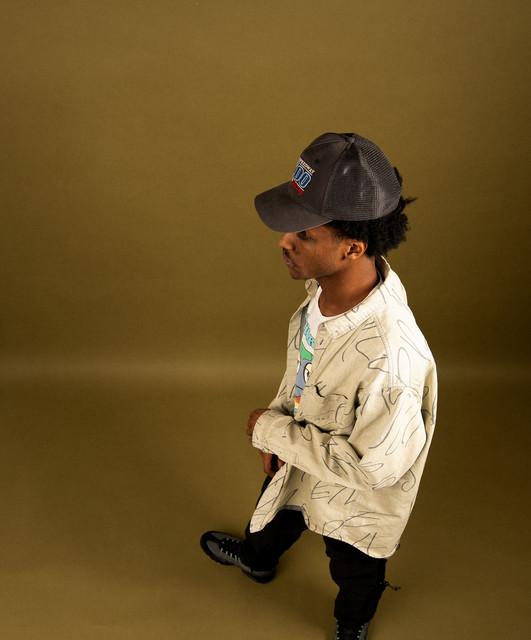
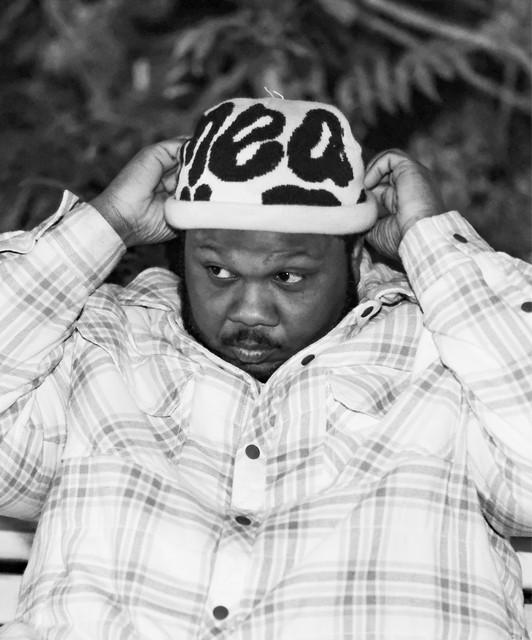
RP Boo’s Spotify BioRP Boo (sometimes spelled Arpebu) is commonly cited as the inventor of footwork, a frenetic offshoot of Chicago house that combines high BPMs and booming bass with offbeat, stuttering samples. After producing numerous tracks that became underground classics during the 1990s and 2000s, RP Boo finally began to receive wider recognition when British label Planet Mu started releasing collections of his music during the 2010s. His full-length debut, Legacy, appeared in 2013, followed by Fingers, Bank Pads & Shoe Prints in 2015. Both collected tracks that dated back several years. His third full-length, 2018's I'll Tell You What!, was his first to be conceived as a proper album, and 2021's Established! found him going back to the roots of juke and Chicago house. He revisited older material with Legacy, Vol. 2, released in 2023.
Born Kavain Space, RP Boo began DJ'ing (and later dancing) in the '90s as part of Chicago crew House-O-Matics. He began producing tracks on drum machines and samplers… such as the Roland R-70, and his Ol' Dirty Bastard-sampling 1997 cut "Baby Come On" is regarded as the first footwork track. A few of RP Boo's tracks saw release on legendary Chicago ghetto house label Dance Mania toward the end of its initial run. RP Boo produced the Godzilla-sampling "11-47-99," which was credited to DJ Slugo and released on his Born Ghetto - From My Hood to Your Hood 12" EP on Detroit's Databass Records in 2001. Despite the controversy over who actually produced the track, it became a cult classic and helped establish the genre's international following. In 2007, RP Boo released Dude Off 59th Street, a 43-minute continuous mixtape featuring tracks by himself as well as fellow scene pioneers DJ Rashad, DJ Clent, DJ Spinn, and Traxman.
In 2010, British electronic label Planet Mu (run by Mike Paradinas, aka µ-Ziq) became the first label to devote significant attention to the footwork genre, releasing albums and EPs by underground Chicago artists such as DJ Nate and DJ Roc, as well as issuing the scene-surveying Bangs & Works, Vol. 1 compilation, which featured two RP Boo tracks. A second volume, featuring two further RP Boo cuts, followed in 2011. During the same year, RP Boo (as well as DJ Rashad and DJ Spinn) contributed to Shangaan Shake, a compilation featuring international producers remixing tracks from South Africa's shangaan electro scene, which had gained comparisons to footwork due to its frenetic, energetic pace. After nearly two decades of DJ'ing and producing tracks, RP Boo's full-length debut finally arrived in 2013 when Planet Mu released Legacy, which featured previously unreleased tracks from throughout his career.
Two years later, the label released Classics, Vol. 1 (an EP of some of his legendary, genre-defining tracks such as "Baby Come On") as well as RP Boo's second full-length, Fingers, Bank Pads & Shoe Prints, a collection of more unreleased tracks from his archive as well as a few newer productions. An EP titled The Ultimate followed in 2016. In 2018, RP Boo released I'll Tell You What!, his first release to be written and recorded as a proper album. He returned in 2021 with Established!, a more stripped-down set of party tunes and battle tracks. 2023's Legacy, Vol. 2 collected rare material from 2002 to 2007, celebrating the tenth anniversary of Legacy's release. ~ Paul Simpson, Rovi
Viberate is a music analytics platform built for A&Rs, artist managers, labels, booking agents, marketers, and artists.
It helps music professionals track artist growth, analyze audience data, monitor playlist activity, compare artists, follow song performance, and identify opportunities across the music market.
Public artist pages provide a free preview of selected artist data. Paid plans provide access to deeper analytics, historical data, charts, comparisons, playlist tools, exports, alerts, reports, and additional professional features.
Yes. Public Viberate artist pages provide selected artist analytics and music data for free.
Viberate also offers a 7-day free trial of the full platform. A credit card is required to start the trial. The trial includes access to the complete product so users can test deeper artist analytics, historical views, playlist insights, comparisons, charts, exports, alerts, and reporting features before choosing a paid plan.
Viberate provides artist analytics across streaming, playlists, social media, video, radio airplay, songs, and audience markets.
Users can analyze Spotify performance, Spotify and Apple Music playlists, YouTube activity, TikTok and Instagram growth, radio spins, song performance, audience locations, demographics, rankings, and overall artist momentum.
Artist profiles also connect to music charts, similar artists, and comparison tools, helping users benchmark performance and evaluate artists in context.
Viberate updates key artist and track data daily.
For followed artists and tracks, selected data is refreshed multiple times per day. This helps teams monitor playlist changes, streaming movement, audience growth, releases, and campaign performance with more current data.
Update frequency can vary depending on the metric and data source.
Yes. Viberate lets users compare up to five artists side by side across streaming, social media, audience, and engagement metrics.
Users can compare fanbase growth, audience demographics, locations, Spotify performance, social metrics, and other artist data over selected time periods.
Artist comparison can be used for A&R scouting, benchmarking, booking decisions, campaign planning, and evaluating artists with similar audiences or market positions.