Royal Tailor

Rock
Pop Rock
Christian Music
 Viberate Rank: 49862
 Viberate Rank: 49862
 Monthly ListenersFollowers
 Subscribers
 Followers
 Followers
 FansTop Spotify Songs
| Track | 7-Day Streams | |
|---|---|---|
1 | 17.34K | |
2 | 7.71K | |
3 | 4.80K | |
4 | 4.04K | |
5 | 2.94K |
Top YouTube VideosMonthly ListenersFeatured in Playlists| Playlist | Followers | |
|---|---|---|
1 |  Best of Christian psav8tor | 71.07K |
2 |  Dude Perfect Playlist Lucas Johnson | 55.88K |
3 |  English Gym songs Dev angiras | 44.54K |
4 | Contemporary Christian Music Jim Finch | 30.10K |
5 |  WORKOUT WORSHIP christiansimon | 28.31K |
Audience| City | Monthly Listeners | |
|---|---|---|
1 | | 976 |
2 |  | 975 |
3 | | 836 |
4 | | 778 |
5 | | 623 |
See full performance history, audience data, playlist activity, rankings, comparisons, and more in Viberate music analytics. Start with a free trial, then continue with a paid plan.
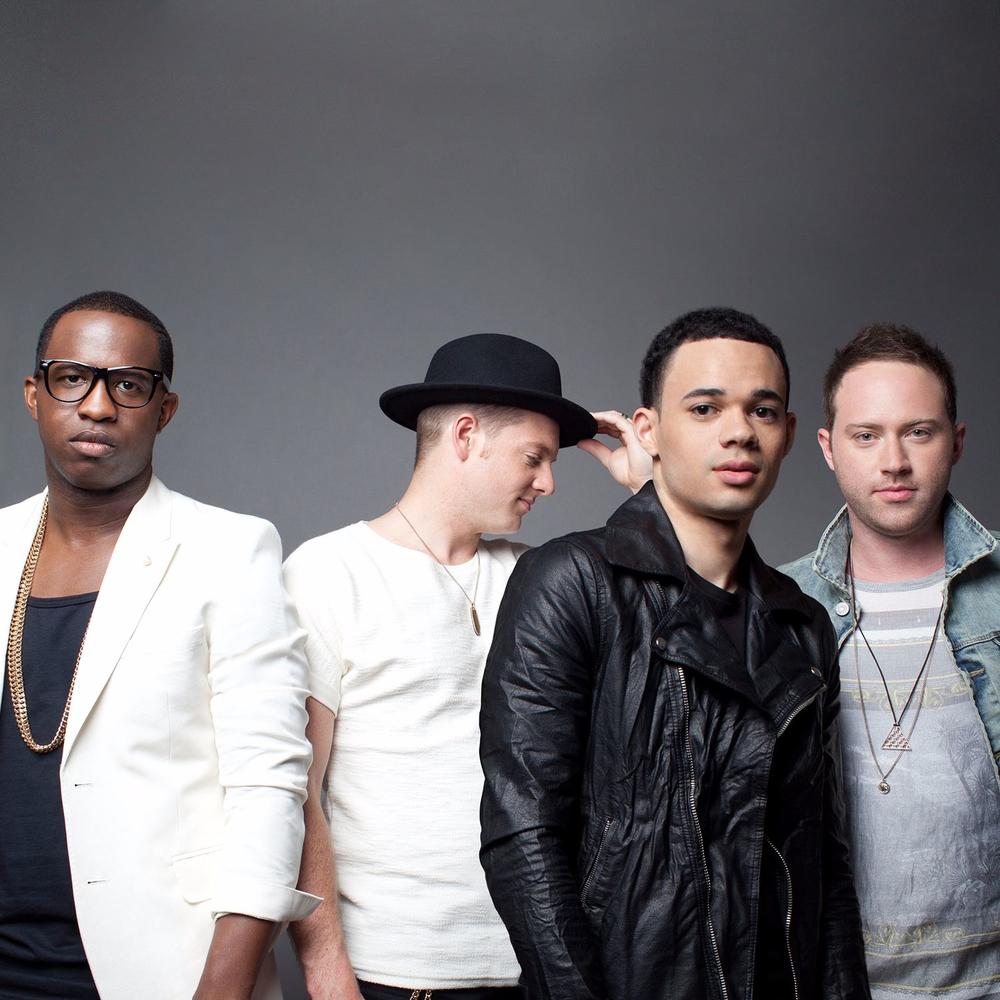
Royal Tailor’s Spotify BioBlending pop, rock, and R&B with worship, Royal Tailor offer energetic melodies that inspire audiences to dance as well as pray. The members -- vocalist Tauren Wells, guitarist DJ Cox, bassist Blake Hubbard, and drummer Jarrod Ingram -- met in Indianapolis, Indiana at Indiana Bible College in the mid-2000s, forming the band to celebrate their Christian identity and call their peers to action. Wanting to give back to the community, the band spent a year mentoring youth in music and worship at the university’s Granite City, Illinois church. Soon after, the foursome began touring, performing over 300 shows in under two years and self-releasing the Royal Tailor EP in 2009. With the help of progressive worship band Leeland, Royal Tailor parlayed the EP into a record deal with Provident Music, relocated to Nashville, and began working on their full-length debut. The result was 2011’s hopeful, bright Black & White. Leadoff single “Hold Me Together” further boosted the band’s profile, landing… on Billboard’s Top Christian Albums and Top Independent Albums charts. ~ Chrysta Cherrie, Rovi
Viberate is a music analytics platform built for A&Rs, artist managers, labels, booking agents, marketers, and artists.
It helps music professionals track artist growth, analyze audience data, monitor playlist activity, compare artists, follow song performance, and identify opportunities across the music market.
Public artist pages provide a free preview of selected artist data. Paid plans provide access to deeper analytics, historical data, charts, comparisons, playlist tools, exports, alerts, reports, and additional professional features.
Yes. Public Viberate artist pages provide selected artist analytics and music data for free.
Viberate also offers a 7-day free trial of the full platform. A credit card is required to start the trial. The trial includes access to the complete product so users can test deeper artist analytics, historical views, playlist insights, comparisons, charts, exports, alerts, and reporting features before choosing a paid plan.
Viberate provides artist analytics across streaming, playlists, social media, video, radio airplay, songs, and audience markets.
Users can analyze Spotify performance, Spotify and Apple Music playlists, YouTube activity, TikTok and Instagram growth, radio spins, song performance, audience locations, demographics, rankings, and overall artist momentum.
Artist profiles also connect to music charts, similar artists, and comparison tools, helping users benchmark performance and evaluate artists in context.
Viberate updates key artist and track data daily.
For followed artists and tracks, selected data is refreshed multiple times per day. This helps teams monitor playlist changes, streaming movement, audience growth, releases, and campaign performance with more current data.
Update frequency can vary depending on the metric and data source.
Yes. Viberate lets users compare up to five artists side by side across streaming, social media, audience, and engagement metrics.
Users can compare fanbase growth, audience demographics, locations, Spotify performance, social metrics, and other artist data over selected time periods.
Artist comparison can be used for A&R scouting, benchmarking, booking decisions, campaign planning, and evaluating artists with similar audiences or market positions.