Roy Davis Jr.

Electronic
House
Dubstep
 Viberate Rank: 77505
 Viberate Rank: 77505
 Monthly ListenersFollowers
 Subscribers
 Followers
 Followers
 FansTop Spotify Songs
| Track | 7-Day Streams | |
|---|---|---|
1 | 87.90K | |
2 | 4.90K | |
3 | 4.46K | |
4 | 3.18K | |
5 | 2.21K |
Top YouTube VideosMonthly ListenersFeatured in Playlists| Playlist | Followers | |
|---|---|---|
1 |  UK Garage Classics Spotify | 695.31K |
2 |  66 GREENE _BY.ALEXANDER | 395.13K |
3 |  Jazz House 2026 Delicieuse Musique | 276.13K |
4 |  real good shit Tom Misch | 165.62K |
5 |  Best House & Club Tracks | Defected Defected Records | 109.22K |
Audience| City | Monthly Listeners | |
|---|---|---|
1 |  | 29.07K |
2 | | 8.80K |
3 | | 5.36K |
4 |  | 3.61K |
5 | | 3.28K |
See full performance history, audience data, playlist activity, rankings, comparisons, and more in Viberate music analytics. Start with a free trial, then continue with a paid plan.
Roy Davis Jr.’s Spotify BioRoy Davis Jr., born in L.A. and raised in Chicago, is in no uncertain terms a legendary DJ, Producer and Remixer, and one of the key pioneers of Chicago House music. His 30-year career has contributed to defining Electronic music of today.
Davis was introduced to the world of dance music by the likes of DJ Pierre, Farley Jackmaster Funk, Marshall Jefferson and Lil' Louis in the late 1980s. Long before this however, he was introduced to the decks when he was 13, mixing breaks, Italo Disco and then years later, House, Techno and Acid.
In 1993, while still an athlete in college, Roy Davis Jr. decided the leave the familiarities of Chicago behind to become an A&R and record producer alongside long time neighbourhood friend, DJ Pierre for Strictly Rhythm in New York. While still based in Chicago, Davis Jr. went out to New York on a weekly basis, and subsequently went on to start his Strictly Rhythm sub-label, Red Cat Records.
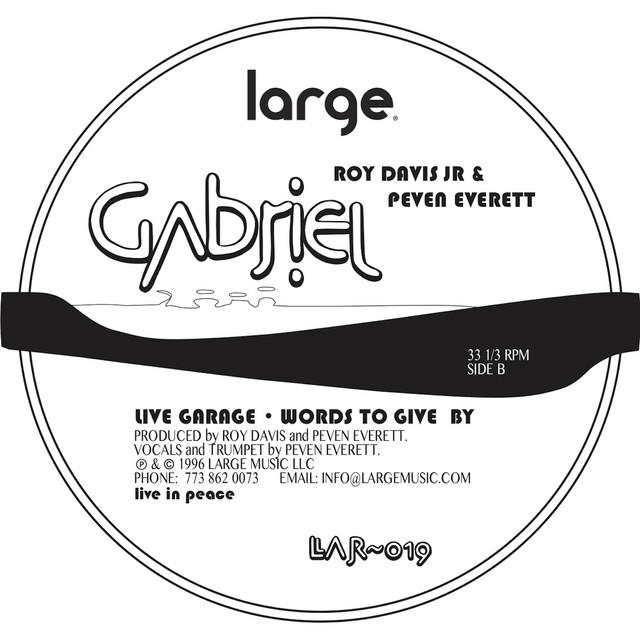
A record which has risen to prominence over the past three decades,… and remains one of the records hailed by many as helping kick-start the UK garage scene, ‘Gabriel’, was released in 1996, written and produced by Roy Davis Jr. alongside singer-songwriter Peven Everett. It would be released by Large Music and then XL Recordings. The record reached the top UK Charts and is still celebrated around the world as one of the most recognisable house tracks and basslines of all time.
Viberate is a music analytics platform built for A&Rs, artist managers, labels, booking agents, marketers, and artists.
It helps music professionals track artist growth, analyze audience data, monitor playlist activity, compare artists, follow song performance, and identify opportunities across the music market.
Public artist pages provide a free preview of selected artist data. Paid plans provide access to deeper analytics, historical data, charts, comparisons, playlist tools, exports, alerts, reports, and additional professional features.
Yes. Public Viberate artist pages provide selected artist analytics and music data for free.
Viberate also offers a 7-day free trial of the full platform. A credit card is required to start the trial. The trial includes access to the complete product so users can test deeper artist analytics, historical views, playlist insights, comparisons, charts, exports, alerts, and reporting features before choosing a paid plan.
Viberate provides artist analytics across streaming, playlists, social media, video, radio airplay, songs, and audience markets.
Users can analyze Spotify performance, Spotify and Apple Music playlists, YouTube activity, TikTok and Instagram growth, radio spins, song performance, audience locations, demographics, rankings, and overall artist momentum.
Artist profiles also connect to music charts, similar artists, and comparison tools, helping users benchmark performance and evaluate artists in context.
Viberate updates key artist and track data daily.
For followed artists and tracks, selected data is refreshed multiple times per day. This helps teams monitor playlist changes, streaming movement, audience growth, releases, and campaign performance with more current data.
Update frequency can vary depending on the metric and data source.
Yes. Viberate lets users compare up to five artists side by side across streaming, social media, audience, and engagement metrics.
Users can compare fanbase growth, audience demographics, locations, Spotify performance, social metrics, and other artist data over selected time periods.
Artist comparison can be used for A&R scouting, benchmarking, booking decisions, campaign planning, and evaluating artists with similar audiences or market positions.