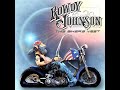
Rowdy Johnson Band

Country
Contemporary Country
Americana/Alt Country
 Viberate Rank: 389645
 Viberate Rank: 389645
 Monthly ListenersFollowers
 Subscribers
 Followers
 Followers
 FansTop Spotify Songs
| Track | 7-Day Streams | |
|---|---|---|
1 | 323 | |
2 | 310 | |
3 | 42 | |
4 | 35 | |
5 | 27 |
Top YouTube VideosMonthly ListenersFeatured in Playlists| Playlist | Followers | |
|---|---|---|
1 |  Southern Rock & Country Rock Frater Kilpatrick | 7.91K |
2 | Southern Country: Rebel Flags and Dixie Pride wheels101 | 1.02K |
Audience| City | Monthly Listeners | |
|---|---|---|
1 | | 31 |
2 | | 19 |
3 | | 16 |
4 | | 15 |
5 | | 14 |
See full performance history, audience data, playlist activity, rankings, comparisons, and more in Viberate music analytics. Start with a free trial, then continue with a paid plan.
Rowdy Johnson Band’s Spotify BioRowdy Johnson is an American Country Music Artist, Singer, Songwriter.
Born February 13, 1973 in Apopka, Florida, Rowdy Johnson served in the United States Navy before relocating to Arizona in 2002. The Rowdy Johnson Band was formed in 2008 out of Tucson, Arizona before ultimately settling in Tombstone. Signed to indie label, Gray Beard Records in 2011, the group released its debut album “Outlaws Today” that same year featuring the album’s title track as well “Elly May’s Biscuits” which earned the group their first national tour performing alongside several larger acts including Charlie Daniels, Trace Adkins and Steppenwolf.
The group’s second album “America’s Best” released in 2013 continued to earn the group several national tours performing alongside such acts as Merle Haggard, David Allan Coe and Molly Hatchet.
But it was the group’s third release “Hillbilly Rock Star” in 2015 which saw their first single “Gray Beards” debut on Sirius/XM Outlaw Country.
In 2017 two of Rowdy Johnson… Band’s songs “America’s Best” and “Unwanted Man” were featured on Battle Cry: Songs of America’s Heroes, a compilation album released by Pacific Records which reached the Top 20 on the iTunes album charts for 2017.
Viberate is a music analytics platform built for A&Rs, artist managers, labels, booking agents, marketers, and artists.
It helps music professionals track artist growth, analyze audience data, monitor playlist activity, compare artists, follow song performance, and identify opportunities across the music market.
Public artist pages provide a free preview of selected artist data. Paid plans provide access to deeper analytics, historical data, charts, comparisons, playlist tools, exports, alerts, reports, and additional professional features.
Yes. Public Viberate artist pages provide selected artist analytics and music data for free.
Viberate also offers a 7-day free trial of the full platform. A credit card is required to start the trial. The trial includes access to the complete product so users can test deeper artist analytics, historical views, playlist insights, comparisons, charts, exports, alerts, and reporting features before choosing a paid plan.
Viberate provides artist analytics across streaming, playlists, social media, video, radio airplay, songs, and audience markets.
Users can analyze Spotify performance, Spotify and Apple Music playlists, YouTube activity, TikTok and Instagram growth, radio spins, song performance, audience locations, demographics, rankings, and overall artist momentum.
Artist profiles also connect to music charts, similar artists, and comparison tools, helping users benchmark performance and evaluate artists in context.
Viberate updates key artist and track data daily.
For followed artists and tracks, selected data is refreshed multiple times per day. This helps teams monitor playlist changes, streaming movement, audience growth, releases, and campaign performance with more current data.
Update frequency can vary depending on the metric and data source.
Yes. Viberate lets users compare up to five artists side by side across streaming, social media, audience, and engagement metrics.
Users can compare fanbase growth, audience demographics, locations, Spotify performance, social metrics, and other artist data over selected time periods.
Artist comparison can be used for A&R scouting, benchmarking, booking decisions, campaign planning, and evaluating artists with similar audiences or market positions.