Rotersand

Electronic
Techno
Other Electronic Music
 Viberate Rank: 88638
 Viberate Rank: 88638
 Monthly ListenersFollowers
 Subscribers
 Followers
 Followers
 FansTop Spotify Songs
| Track | 7-Day Streams | |
|---|---|---|
1 | 7.48K | |
2 | 5.10K | |
3 | 3.28K | |
4 | 2.77K | |
5 | 2.67K |
Top YouTube VideosMonthly ListenersFeatured in Playlists| Playlist | Followers | |
|---|---|---|
1 |  GOTH ULTIMATE LIST | DARK WAVE/POST-PUNK/GOTHIC ROCK/EBM/SYNTH/DEATH ROCK Annie Dark | 31.59K |
2 |  Gothic Club Hits: Goth, Darkwave, Deathrock, EBM & Industrial netti | 29.18K |
3 |  ☣ DARK ELETRO | EBM | INDUSTRIAL | CYBER GOTH | CYBERPUNK| DARKTECHNO | CYBERTECHNO | AGGROTECH Allan_Dark | 26.38K |
4 |  Industrial | EBM | Darkwave | Dark Electro | Aggrotech | Industrial Techno by DARKLARK darklark | 22.25K |
5 |  This is Goth - Dark Wave, Post-Punk, Darkwave, EBM, Industrial occultrock | 16.55K |
Audience| City | Monthly Listeners | |
|---|---|---|
1 | | 2.36K |
2 | | 1.57K |
3 | | 1.52K |
4 | | 1.51K |
5 | | 1.31K |
See full performance history, audience data, playlist activity, rankings, comparisons, and more in Viberate music analytics. Start with a free trial, then continue with a paid plan.
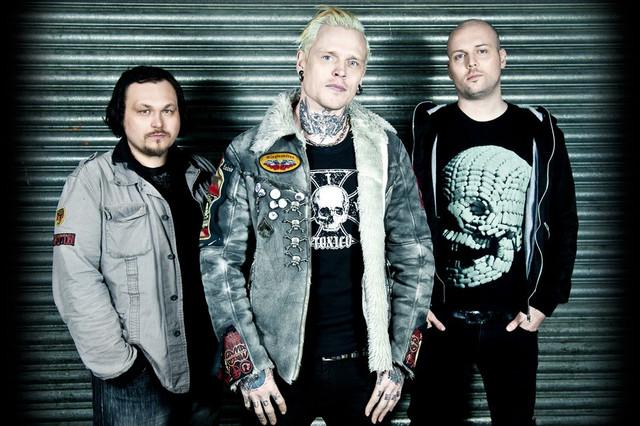
Rotersand’s Spotify BioInfluenced by techno as well as rock, German electronic body music (EBM) group Rotersand established themselves as a powerful live act and also released new music on a regular basis. Formed in 2002 in Gelsenkirchen, Nordrhein-Westfalen, Rotersand are comprised of Gun (born Gunther Gerl), Rasc (Rascal Nikov), and Krischan (Krischan Jan-Eric Wesenberg). The group debuted with the album Truth Is Fanatic (2003) and its accompanying EP, Merging Oceans (2003), both released by Endless Records. Rotersand then switched to Dependent Records and returned with a follow-up album, Welcome to Goodbye (2005), along with an accompanying single, Exterminate Annihilate Destroy (2005), and EP, Dare to Live: Perspectives on Welcome to Goodbye (2006). Rotersand's third album, 1023 (2007), was released internationally -- by Dependent in the European Union, Metropolis in the United States, and Soyuz in Russia. ~ Jason Birchmeier, Rovi. 2016 brought the album ‚Capitalism TM’ that was followed by the 2020… release ‚How do you feel today?‘ containing the international Club Hits ‚Silence‘ and ‚Hot Ashes‘.
Viberate is a music analytics platform built for A&Rs, artist managers, labels, booking agents, marketers, and artists.
It helps music professionals track artist growth, analyze audience data, monitor playlist activity, compare artists, follow song performance, and identify opportunities across the music market.
Public artist pages provide a free preview of selected artist data. Paid plans provide access to deeper analytics, historical data, charts, comparisons, playlist tools, exports, alerts, reports, and additional professional features.
Yes. Public Viberate artist pages provide selected artist analytics and music data for free.
Viberate also offers a 7-day free trial of the full platform. A credit card is required to start the trial. The trial includes access to the complete product so users can test deeper artist analytics, historical views, playlist insights, comparisons, charts, exports, alerts, and reporting features before choosing a paid plan.
Viberate provides artist analytics across streaming, playlists, social media, video, radio airplay, songs, and audience markets.
Users can analyze Spotify performance, Spotify and Apple Music playlists, YouTube activity, TikTok and Instagram growth, radio spins, song performance, audience locations, demographics, rankings, and overall artist momentum.
Artist profiles also connect to music charts, similar artists, and comparison tools, helping users benchmark performance and evaluate artists in context.
Viberate updates key artist and track data daily.
For followed artists and tracks, selected data is refreshed multiple times per day. This helps teams monitor playlist changes, streaming movement, audience growth, releases, and campaign performance with more current data.
Update frequency can vary depending on the metric and data source.
Yes. Viberate lets users compare up to five artists side by side across streaming, social media, audience, and engagement metrics.
Users can compare fanbase growth, audience demographics, locations, Spotify performance, social metrics, and other artist data over selected time periods.
Artist comparison can be used for A&R scouting, benchmarking, booking decisions, campaign planning, and evaluating artists with similar audiences or market positions.