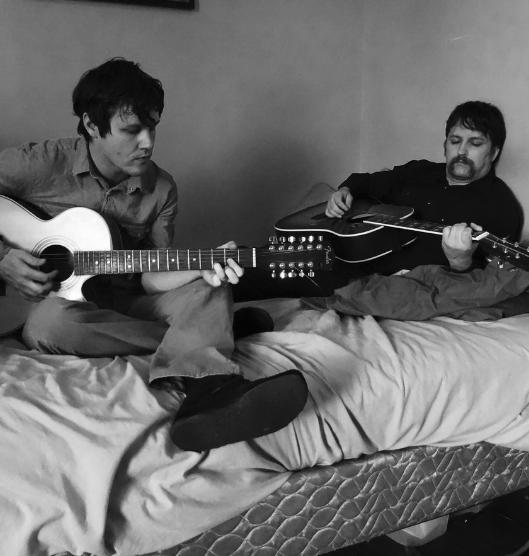
Roseblood

Rock
Indie Rock
 Viberate Rank: 588412
 Viberate Rank: 588412
 Monthly ListenersFollowers
 Subscribers
 Followers
 Followers
 FansTop Spotify Songs
| Track | 7-Day Streams | |
|---|---|---|
1 | 453 | |
2 | 17 | |
3 | 14 | |
4 | 7 | |
5 | 7 |
Top YouTube VideosMonthly ListenersFeatured in Playlists| Playlist | Followers | |
|---|---|---|
1 |  black people created rock btw 𝖈ece ˖°🦇ִ ࣪ | 11.07K |
2 |  🎧 BLACK ALTERNATIVE ₊˚⊹˚₊‧ 𝖈ece ˖°🦇ִ ࣪ | 6.62K |
3 |  BLACK PUNK & INDIE ROCK Esteban Cortez | 5.08K |
4 |  A Gaspar Noé party Wessel | 2.33K |
5 |  varoluşsal sancılar Eféndy | 1.49K |
Audience| City | Monthly Listeners | |
|---|---|---|
1 | | 30 |
2 |  | 21 |
3 | | 17 |
4 |  | 17 |
5 | | 16 |
See full performance history, audience data, playlist activity, rankings, comparisons, and more in Viberate music analytics. Start with a free trial, then continue with a paid plan.
Roseblood’s Spotify BioRoseblood is the solo labour of love of Portland, OR based musician, Kathy Foster (The Thermals, All Girl Summer Fun Band, Hurry Up, Slang, to name a few). Though she’s mostly been known as a collaborator and a prominent rhythm section player in the underground rock community, she’s quietly been writing and home-recording her own songs for a long time - under various aliases - never sharing too much except a few DIY releases over the years. When Kathy's beloved indie punk band, and main gig, The Thermals, called it quits in 2018, she decided it was the right time to start a new solo project. And Roseblood was born.
Roseblood's debut album is out February 28, 2025.
In Roseblood, Kathy’s focused on creating a cohesive sound that channels influences of 60’s girl groups, garage & soul, alternative rock, and post-punk, and she brazenly embraces themes of love, loss, heartbreak and isolation on her debut. “This record is a break-up record,” she says. “I was heavy with a painful broken heart… and working on these songs was the only thing that helped. I couldn’t pretend I was ok, I couldn’t drink the pain away, all I could do was cry and pour my heart out."
The album was recorded mostly by Kathy throughout the pandemic and features the superstar drumming of Janet Weiss (Quasi, Sleater-Kinney, Slang) on all but two songs. Distorted guitars are layered with moody yet catchy leads and dreamy vocal harmonies. It’s dream pop meets dark Americana with a hint of goth dance floor.
Viberate is a music analytics platform built for A&Rs, artist managers, labels, booking agents, marketers, and artists.
It helps music professionals track artist growth, analyze audience data, monitor playlist activity, compare artists, follow song performance, and identify opportunities across the music market.
Public artist pages provide a free preview of selected artist data. Paid plans provide access to deeper analytics, historical data, charts, comparisons, playlist tools, exports, alerts, reports, and additional professional features.
Yes. Public Viberate artist pages provide selected artist analytics and music data for free.
Viberate also offers a 7-day free trial of the full platform. A credit card is required to start the trial. The trial includes access to the complete product so users can test deeper artist analytics, historical views, playlist insights, comparisons, charts, exports, alerts, and reporting features before choosing a paid plan.
Viberate provides artist analytics across streaming, playlists, social media, video, radio airplay, songs, and audience markets.
Users can analyze Spotify performance, Spotify and Apple Music playlists, YouTube activity, TikTok and Instagram growth, radio spins, song performance, audience locations, demographics, rankings, and overall artist momentum.
Artist profiles also connect to music charts, similar artists, and comparison tools, helping users benchmark performance and evaluate artists in context.
Viberate updates key artist and track data daily.
For followed artists and tracks, selected data is refreshed multiple times per day. This helps teams monitor playlist changes, streaming movement, audience growth, releases, and campaign performance with more current data.
Update frequency can vary depending on the metric and data source.
Yes. Viberate lets users compare up to five artists side by side across streaming, social media, audience, and engagement metrics.
Users can compare fanbase growth, audience demographics, locations, Spotify performance, social metrics, and other artist data over selected time periods.
Artist comparison can be used for A&R scouting, benchmarking, booking decisions, campaign planning, and evaluating artists with similar audiences or market positions.