Ronny Kash

Hip Hop
Contemporary Hip Hop
 Viberate Rank: 379935
 Viberate Rank: 379935
 Monthly ListenersFollowers
 Subscribers
 Followers
 Followers
 FansTop Spotify Songs
| Track | 7-Day Streams | |
|---|---|---|
1 | 14 | |
2 | 5 | |
3 | 3 | |
4 | 3 | |
5 | 2 |
Top YouTube VideosMonthly ListenersFeatured in Playlists| Playlist | Followers | |
|---|---|---|
1 |  NBA Hip Hop 2026 🏀 Snoopfy | 105.72K |
2 |  RUNNING RAP 2026 🏃🏾🏃🏾 IFM Playlists | 80.20K |
3 | SuperHero Flow+ listdmusic | 49.00K |
4 | listdmusic | 41.86K |
5 | Throw It Back + listdmusic | 37.57K |
Audience| City | Monthly Listeners | |
|---|---|---|
1 | | 3 |
2 | | 3 |
See full performance history, audience data, playlist activity, rankings, comparisons, and more in Viberate music analytics. Start with a free trial, then continue with a paid plan.
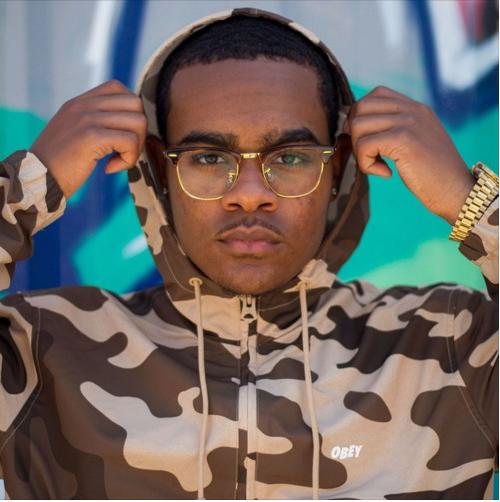
Ronny Kash’s Spotify BioJaron T. Edwards known as RONNY KASH , a 22-year-old American artists of San Antonio “Tone
City” Texas, born to young high school parents Tyra Randall and Jaron Edwards “Skrappy”.
Growing up in a drug and gang infested neighborhood. Ronny Kash would witness the struggles
of his parents trying to provide a better life for him and his brother. Later, as they would pursue
better occupation for themselves. His mother Tyra Edwards becoming a nurse and his Father
Jaron Edwards “Skrappy” becoming a Rapper, barber/hustler. In mid of all troubles going on
around him at an early age, Ronny Kash started showing interest in music and fashion. His
fashion line, Paperboii Clothing, a new style of urban drip that he started in his early high school
years provided him an avenue to connect with his peers. At this time, he created Kash Mafia
which inspired him to get back to writing and producing his own music.
His millennial approach to music has caught the ear of many. Backed by his solid team, Kash
Mafia, and… his brother Qari Beatz handling his production, Ronny Kash has raised his following
to over 60,000 followers on Instagram (@officialronnykash) and has collected thousands of
plays on several platforms. With their combination of gritty trap beats, lifestyle lyrics, and
hypnotic cadences him and his brother has self-taught their way to becoming a dynamic duo.
His determination has proved itself continuously by releasing quality visuals, and collaborations with different artist.
Viberate is a music analytics platform built for A&Rs, artist managers, labels, booking agents, marketers, and artists.
It helps music professionals track artist growth, analyze audience data, monitor playlist activity, compare artists, follow song performance, and identify opportunities across the music market.
Public artist pages provide a free preview of selected artist data. Paid plans provide access to deeper analytics, historical data, charts, comparisons, playlist tools, exports, alerts, reports, and additional professional features.
Yes. Public Viberate artist pages provide selected artist analytics and music data for free.
Viberate also offers a 7-day free trial of the full platform. A credit card is required to start the trial. The trial includes access to the complete product so users can test deeper artist analytics, historical views, playlist insights, comparisons, charts, exports, alerts, and reporting features before choosing a paid plan.
Viberate provides artist analytics across streaming, playlists, social media, video, radio airplay, songs, and audience markets.
Users can analyze Spotify performance, Spotify and Apple Music playlists, YouTube activity, TikTok and Instagram growth, radio spins, song performance, audience locations, demographics, rankings, and overall artist momentum.
Artist profiles also connect to music charts, similar artists, and comparison tools, helping users benchmark performance and evaluate artists in context.
Viberate updates key artist and track data daily.
For followed artists and tracks, selected data is refreshed multiple times per day. This helps teams monitor playlist changes, streaming movement, audience growth, releases, and campaign performance with more current data.
Update frequency can vary depending on the metric and data source.
Yes. Viberate lets users compare up to five artists side by side across streaming, social media, audience, and engagement metrics.
Users can compare fanbase growth, audience demographics, locations, Spotify performance, social metrics, and other artist data over selected time periods.
Artist comparison can be used for A&R scouting, benchmarking, booking decisions, campaign planning, and evaluating artists with similar audiences or market positions.