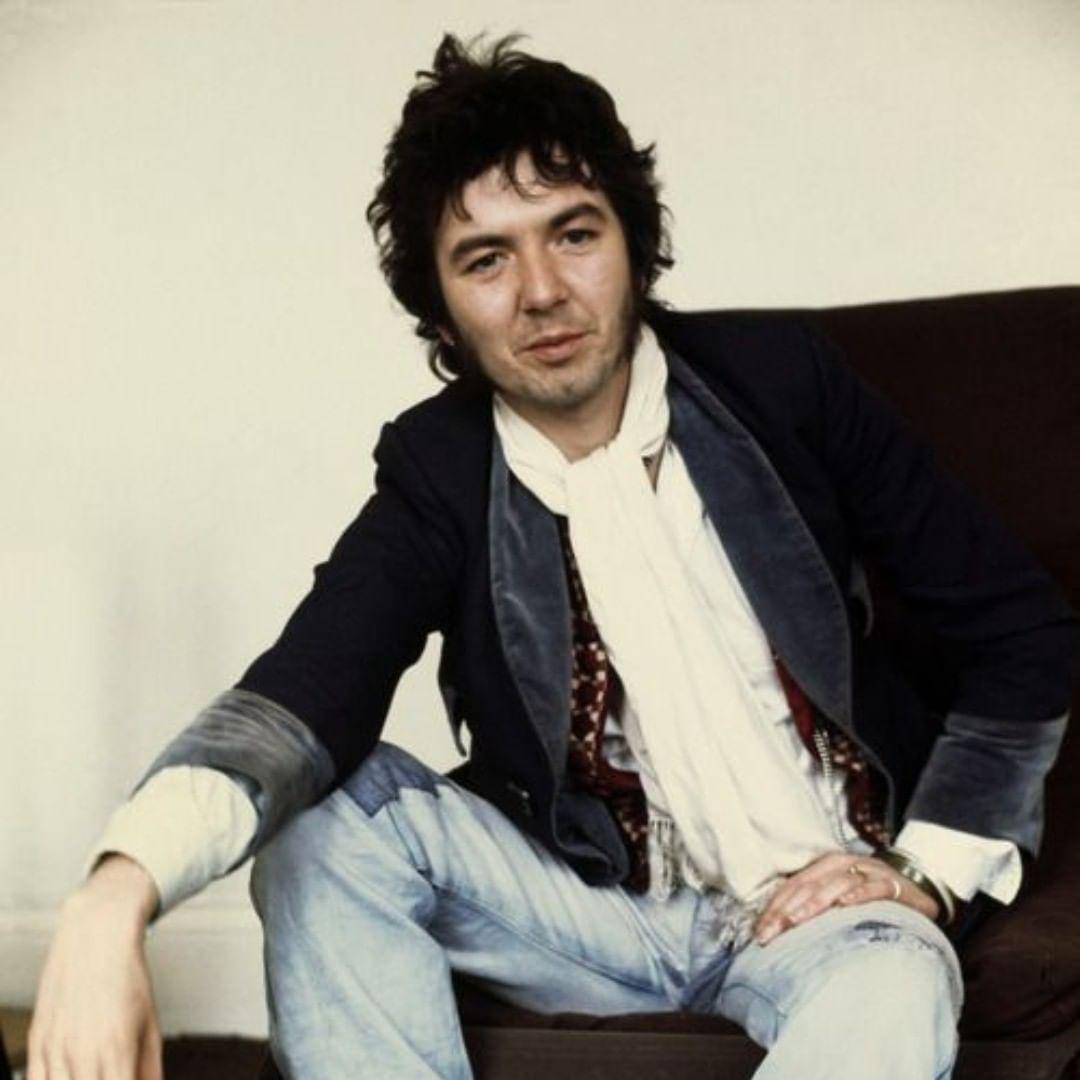
Ronnie Lane

Rock
Folk Rock
Blues Rock
 Viberate Rank: 155157
 Viberate Rank: 155157
 Monthly ListenersFollowers
 Subscribers
 Followers
 Followers
 FansTop Spotify Songs
| Track | 7-Day Streams | |
|---|---|---|
1 | 11.97K | |
2 | 4.45K | |
3 | 1.63K | |
4 | 1.51K | |
5 | 1.37K |
Top YouTube VideosMonthly ListenersFeatured in Playlists| Playlist | Followers | |
|---|---|---|
1 |  Guitar instrumental covers Guillaume | 29.50K |
2 |  Ben Watt's SpinCycle Ben Watt | 23.18K |
3 | Unofficial Reverb Radio Jeff Ferruzzo | 21.82K |
4 |  enya and drew’s media erika | 14.70K |
5 |  Surf rock/psychadelic/jingly jangly Sam Gbr Vy | 8.46K |
Audience| City | Monthly Listeners | |
|---|---|---|
1 | | 1.94K |
2 |  | 1.38K |
3 | | 1.25K |
4 | | 1.11K |
5 | | 1.05K |
See full performance history, audience data, playlist activity, rankings, comparisons, and more in Viberate music analytics. Start with a free trial, then continue with a paid plan.
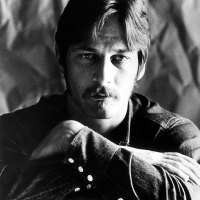
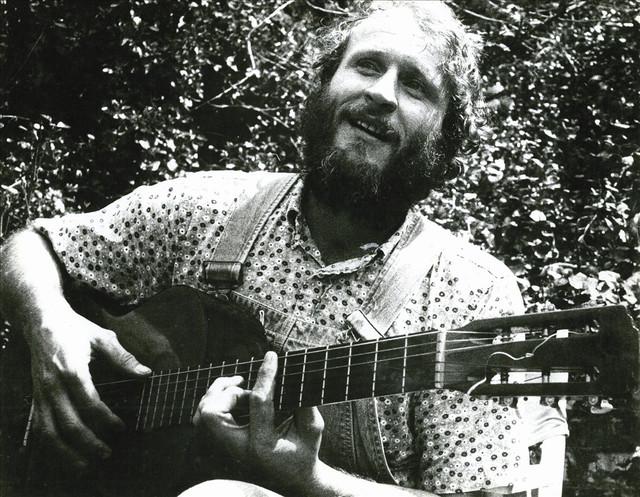
Ronnie Lane’s Spotify BioThough he is best known as the bassist and occasional vocalist for both the Small Faces and the Faces, Ronnie Lane's musical contributions as a solo artist ought not be overlooked. His songs detail small moments in life, the stories told in a tender voice and backed by a wide variety of acoustic instruments. With his band Slim Chance, Lane released three albums (1974's Anymore for Anymore, 1975's Ronnie Lane's Slim Chance, and 1976's One for the Road) that showed off his expansive songwriting skills, abilities as a musical ringleader, and gentle soul. After these records didn't sell and an ambitious tour bankrupted him, Lane turned to his friends for help and his collaboration with Pete Townshend on 1977's Rough Mix was a career highlight. He made a record with Eric Clapton, 1979's See Me, that proved to be his last studio record as the ravages of multiple sclerosis began to take their toll. Despite the difficulties he faced, Lane never quit playing music, and the last decade of his… life found him in America, seeking a cure and playing as many shows as he could.
Lane (along with guitarist Steve Marriott) co-founded the British mod group the Small Faces in the mid-'60s, helping to guide them to the top of British charts with his clever songwriting. After Marriott left, Lane jettisoned the group's mod reputation and, adding former Jeff Beck cohorts Ron Wood and Rod Stewart, Lane re-formed the group as the Faces, a loud, boozy rock band who achieved widespread success in the States (something the Small Faces could never do). Although Lane was the unacknowledged leader among the group members, audiences were drawn to Rod Stewart, and when Stewart's burgeoning solo career began affecting the quality of the Faces' albums, Lane jumped ship to form his own band in 1973.
Billing themselves as Ronnie Lane's Slim Chance, the bassist organized an ambitious tour dubbed the "Passing Show" that included a traveling circus complete with jugglers, clowns, and animals in 1974. Although the tour was artistically successful, it was a financial failure from which Lane would never recover. For income, he continued leasing his mobile recording unit out to bands like Led Zeppelin, who used it to record their double-LP Physical Graffiti.
With Slim Chance, Lane released several albums with a folk-rock flavor in the mid-'70s that spotlighted his rollicking and sweet songs and deceptively fragile voice. Never one to close off old avenues, Lane teamed up with Ron Wood, releasing the movie soundtrack album Mahoney's Last Stand in 1976. The following year, Lane again collaborated, this time with longtime friend Pete Townshend on the album Rough Mix. Contributing songs such as the emotionally powerful "Annie" and "April Fool," Lane once again exhibited the depth of feeling in his songwriting that he had displayed so wonderfully with the Small Faces and the Faces. Around this time, Lane was diagnosed with the debilitating disease multiple sclerosis, which severely curtailed his musical output. He released the solo album See Me in 1980, and in 1983, friends such as Eric Clapton, Pete Townshend, and Jimmy Page rallied around him, organizing an ARMS foundation benefit concert and tour, and donating the proceeds to the treatment of multiple sclerosis.
In the '80s, Lane relocated to Austin, Texas, recording songs and occasionally fronting a local group called the Tremors, playing gigs around the city when he could. In 1990, the bassist went to Japan for his last major tour, and he later moved to Colorado, where the climate was better suited to the treatment of multiple sclerosis. Lane died there in June of 1997, but his music lived on. A series of reissues filled the years after his passing, culminating in a comprehensive box set, Just for a Moment: Music 1973-1997, that was released in early 2019. ~ Steve Kurutz, Rovi
Viberate is a music analytics platform built for A&Rs, artist managers, labels, booking agents, marketers, and artists.
It helps music professionals track artist growth, analyze audience data, monitor playlist activity, compare artists, follow song performance, and identify opportunities across the music market.
Public artist pages provide a free preview of selected artist data. Paid plans provide access to deeper analytics, historical data, charts, comparisons, playlist tools, exports, alerts, reports, and additional professional features.
Yes. Public Viberate artist pages provide selected artist analytics and music data for free.
Viberate also offers a 7-day free trial of the full platform. A credit card is required to start the trial. The trial includes access to the complete product so users can test deeper artist analytics, historical views, playlist insights, comparisons, charts, exports, alerts, and reporting features before choosing a paid plan.
Viberate provides artist analytics across streaming, playlists, social media, video, radio airplay, songs, and audience markets.
Users can analyze Spotify performance, Spotify and Apple Music playlists, YouTube activity, TikTok and Instagram growth, radio spins, song performance, audience locations, demographics, rankings, and overall artist momentum.
Artist profiles also connect to music charts, similar artists, and comparison tools, helping users benchmark performance and evaluate artists in context.
Viberate updates key artist and track data daily.
For followed artists and tracks, selected data is refreshed multiple times per day. This helps teams monitor playlist changes, streaming movement, audience growth, releases, and campaign performance with more current data.
Update frequency can vary depending on the metric and data source.
Yes. Viberate lets users compare up to five artists side by side across streaming, social media, audience, and engagement metrics.
Users can compare fanbase growth, audience demographics, locations, Spotify performance, social metrics, and other artist data over selected time periods.
Artist comparison can be used for A&R scouting, benchmarking, booking decisions, campaign planning, and evaluating artists with similar audiences or market positions.