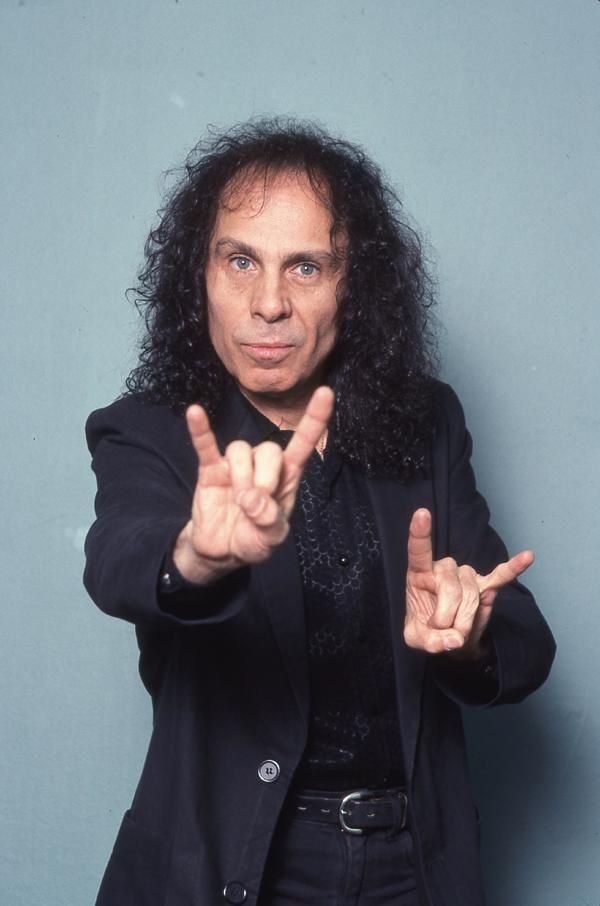
Ronnie James Dio

Rock
Hard Rock
Heavy Metal
 Viberate Rank: 16253
 Viberate Rank: 16253
 Monthly ListenersFollowers
 Subscribers
 Followers
 Followers
 FansTop Spotify Songs
| Track | 7-Day Streams | |
|---|---|---|
1 | 34.77K | |
2 | 7.50K | |
3 | 2.08K | |
4 | 1.58K | |
5 | 1.44K |
Top YouTube VideosMonthly ListenersFeatured in Playlists| Playlist | Followers | |
|---|---|---|
1 | Classic Rock Greatest Hits Scott Pruden | 341.40K |
2 | BEST GUITAR SOLOS OF ALL TIME t.riccardo | 95.20K |
3 | ghost | 70.84K |
4 | PISSED OFF MUSIC POM PLAYLIST | 61.95K |
5 |  Ancient Egyptian Music Oscar Lindström | 46.05K |
Audience| City | Monthly Listeners | |
|---|---|---|
1 |  | 4.45K |
2 |  | 2.24K |
3 |  | 1.89K |
4 |  | 1.70K |
5 |  | 1.09K |
See full performance history, audience data, playlist activity, rankings, comparisons, and more in Viberate music analytics. Start with a free trial, then continue with a paid plan.
Ronnie James Dio’s Spotify BioAlthough his trademark tales of "dungeons and dragons" may have single-handedly inspired Spinal Tap (more specifically, Tap's overblown epic "Stonehenge"), Ronnie James Dio was unquestionably one of heavy metal's most talented and instantly identifiable vocalists. Born Ronald James Padavona in Portsmouth, New Hampshire, on July 10, 1942, the young Dio started his music career at an early age, playing bass and trumpet for a local band called the Vegas Kings. The band changed names over the years, until the late '60s when the group became the Electric Elves, specializing in rock and folk sounds. By the dawn of the '70s, their name was shortened to simply Elf (with Dio focusing on lead vocals full-time, and changing his name to Ronnie James Dio) and a record deal came their way, with ex-Deep Purple bassist Roger Glover producing. After several releases failed to chart, ex-Deep Purple guitarist Ritchie Blackmore, who had just left the Purple and was looking to form a new project, invited… most of Elf to join his new outfit, Rainbow.
While Blackmore's original musical plan for Rainbow was to get back to basics (the complete opposite of what the rock dinosaur Deep Purple had become toward the end), the new group ended up sounded more or less like Purple -- in fact, a more apparent prog rock edge was added. Such hit albums as 1975's Ritchie Blackmore's Rainbow, 1976's Rising, 1977's On Stage, and 1978's Long Live Rock 'n' Roll helped introduce Dio to the heavy metal masses worldwide, but when Blackmore made it clear that Rainbow were his band, Dio jumped ship. Shortly thereafter, Dio received word that Ozzy Osbourne had left Black Sabbath, and a tryout was arranged. Dio got the gig immediately (penning most of the Sab classic "Children of the Sea" at their initial jam session), and helped Sabbath break out of their creative and commercial slump, resulting in such metal classics as 1980's Heaven and Hell and 1981's Mob Rules. With Sabbath enjoying their greatest success in years, Dio shocked the metal world by leaving what appeared to be a promising union after the spotty Live Evil release appeared in 1982.
Fed up with the "singer for hire" tag that was bestowed upon him by many, Dio set out to form his very first solo project, called simply Dio. Similar in style to his previous bands but with a slightly more commercial edge, Dio's first two solo albums, 1983's Holy Diver and 1984's Last in Line, racked up platinum sales -- making the band an arena headliner in its own right (complete with a highly theatrical and prop-heavy stage show). In 1985, Dio also found time to lead a heavy metal version of Band Aid/USA for Africa called Hear 'n Aid, which saw an all-star group of metallists performing a Dio-penned song, "Stars," with all the funds of the single and album of the same name going to fight starvation in Africa. Although Dio couldn't sustain their initial commercial success, they remained a consistent metal attraction. In the early '90s, Ronnie mended his differences with his old Sabbath mates, and found himself fronting the band once again for an album, 1992's Dehumanizer, and subsequent tour. Predictably, the reunion didn't last long, and he returned back to solo work, resulting in such albums as 1996's Angry Machines, 2000's Magica, and 2002's Killing the Dragon.
In 2006 Dio reunited with his late-era Black Sabbath brethren Tony Iommi, Geezer Butler, and Vinny Appice to form Heaven & Hell, named after Sabbath's first recording with Dio in 1980. Heaven & Hell toured in 2007 and released the two-disc CD/DVD Live from Radio City Music Hall later that year, and the full-length studio recording Devil You Know arrived in 2009. However, in November of that year Dio's wife, Wendy, announced that the singer was suffering from stomach cancer, although indicating that the disease was in its early stages and expressing hope for a full recovery and return to performing. Nevertheless, Heaven & Hell subsequently canceled their summer 2010 touring plans and, sadly, Ronnie James Dio succumbed to the disease on May 16, 2010, at the M.D. Anderson Cancer Center in Houston, Texas. ~ Greg Prato, Rovi
Viberate is a music analytics platform built for A&Rs, artist managers, labels, booking agents, marketers, and artists.
It helps music professionals track artist growth, analyze audience data, monitor playlist activity, compare artists, follow song performance, and identify opportunities across the music market.
Public artist pages provide a free preview of selected artist data. Paid plans provide access to deeper analytics, historical data, charts, comparisons, playlist tools, exports, alerts, reports, and additional professional features.
Yes. Public Viberate artist pages provide selected artist analytics and music data for free.
Viberate also offers a 7-day free trial of the full platform. A credit card is required to start the trial. The trial includes access to the complete product so users can test deeper artist analytics, historical views, playlist insights, comparisons, charts, exports, alerts, and reporting features before choosing a paid plan.
Viberate provides artist analytics across streaming, playlists, social media, video, radio airplay, songs, and audience markets.
Users can analyze Spotify performance, Spotify and Apple Music playlists, YouTube activity, TikTok and Instagram growth, radio spins, song performance, audience locations, demographics, rankings, and overall artist momentum.
Artist profiles also connect to music charts, similar artists, and comparison tools, helping users benchmark performance and evaluate artists in context.
Viberate updates key artist and track data daily.
For followed artists and tracks, selected data is refreshed multiple times per day. This helps teams monitor playlist changes, streaming movement, audience growth, releases, and campaign performance with more current data.
Update frequency can vary depending on the metric and data source.
Yes. Viberate lets users compare up to five artists side by side across streaming, social media, audience, and engagement metrics.
Users can compare fanbase growth, audience demographics, locations, Spotify performance, social metrics, and other artist data over selected time periods.
Artist comparison can be used for A&R scouting, benchmarking, booking decisions, campaign planning, and evaluating artists with similar audiences or market positions.