Ronnie Foster

R&B
Funk
Jazz Fusion
 Viberate Rank: 105358
 Viberate Rank: 105358
 Monthly ListenersFollowers
 Subscribers
 Followers
 Followers
 FansTop Spotify Songs
| Track | 7-Day Streams | |
|---|---|---|
1 | 40.68K | |
2 | 3.76K | |
3 | 3.62K | |
4 | 2.92K | |
5 | 1.81K |
Top YouTube VideosMonthly ListenersFeatured in Playlists| Playlist | Followers | |
|---|---|---|
1 |  Jazz Classics Blue Note Edition Spotify | 549.38K |
2 | Ignatious Pop 1 | 98.72K |
3 |  Dear Anthony: Questlove's Defense Of Yacht Rock, Smooth Soul & Dentist Office Pop Ahmir Khalib Thompson | 78.27K |
4 |  Songs and Their Samples Aidan Joyce | 52.73K |
5 |  Blue Note: The Finest In Jazz Since 1939 Blue Note Records | 48.76K |
Audience| City | Monthly Listeners | |
|---|---|---|
1 |  | 2.62K |
2 | | 2.44K |
3 | | 2.28K |
4 | | 1.83K |
5 | | 1.75K |
See full performance history, audience data, playlist activity, rankings, comparisons, and more in Viberate music analytics. Start with a free trial, then continue with a paid plan.
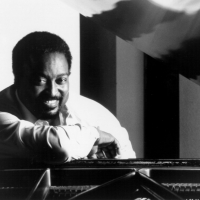
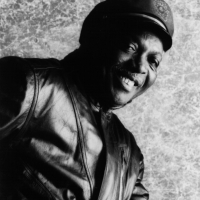
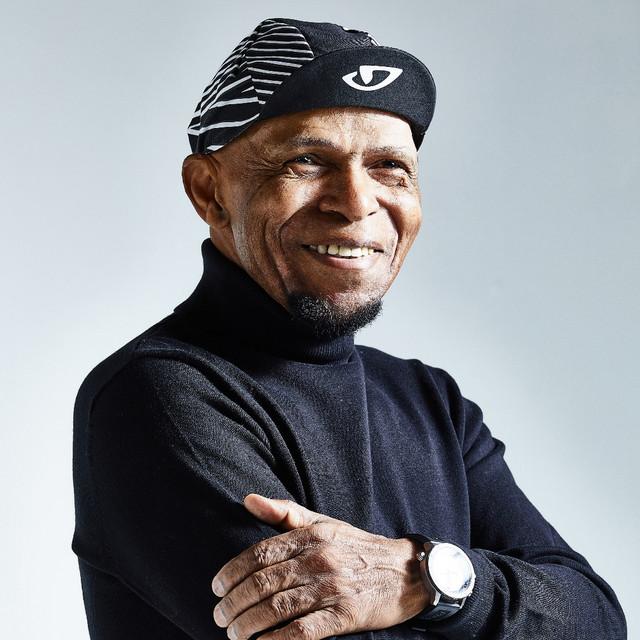
Ronnie Foster’s Spotify BioA celebrated soul-jazz organist, Ronnie Foster is known for his groove-based, funk- and R&B-influenced style. Foster initially grabbed ears for his work with guitarist Grant Green before releasing a string of organically funky, '70s Blue Note albums, including Two Headed Freap, On the Avenue, and Cheshire Cat, many of which became cult items influential to hip-hop and acid jazz artists. Along the way, he cultivated a successful career as a session player, working with George Benson, Roberta Flack, Stanley Turrentine, Chaka Khan, and many others. He also found success as a producer, helming Top 30 contemporary jazz albums like Roger Smith's Both Sides and Will Downing and Gerald Albright's Pleasures of the Night. Following decades behind the scenes, Foster returned to the spotlight with his sixth Blue Note album, 2022's Reboot.
A native of Buffalo, New York, Foster learned to play piano as a child and was taught in the traditional classical style. However, jazz intrigued him more, and… when he was a teenager, he began to pursue that direction. Eventually, he attended a jam session where there was an organ in addition to a piano. After trying the organ, he decided to concentrate on the instrument. He listened to Jimmy Smith, gradually making his way to more adventurous players like Larry Young. A local Buffalo organist, Joe Madison, gave him advice, and Foster practiced regularly at a studio where he would rent a room with an organ for 60 cents an hour.
Eventually, Foster began playing local and New York clubs. He slowly built a following, playing with such musicians as Stanley Turrentine, Grant Green, and George Benson. By the early '70s, he had formed a group called Energy II. Grant Green had Foster play on his Alive album, and the organist's performance impressed the label's Dr. George Butler, who offered Foster a contract.
Ronnie Foster recorded The Two Headed Freap, his first album for Blue Note, in January of 1972. A funky set of soul-jazz, the album featured his own compositions, including "Mystic Brew," along with covers of tunes like Al Green's "Let's Stay Together" and the Kenny Gamble and Leon Huff song "Drowning in the Sea of Love." The similarly funky Sweet Revival was recorded in December of that year and featured more covers as well as musical contributions by legendary funk drummer Bernard Purdie. He cut Live at Montreux in July of 1973, which was followed in 1974 by On the Avenue, and by Cheshire Cat in 1975 -- his final album for Blue Note. He then moved to Columbia, where he released Love Satellite in 1978 and Delight in 1979.
A session for Pro Jazz entitled The Racer followed a few years later, but Foster effectively retired from leading groups in the early '80s in order to concentrate on session work. During the '70s, he had played on numerous George Benson records as well as records by Stevie Wonder, Roberta Flack, Earl Klugh, Jimmy Ponder, Stanley Clarke, and Lalo Schifrin.
Throughout the '80s, Foster continued to play on a wide variety of sessions and eventually moved into production. Among the musicians he worked with that decade were Jimmy Smith, Klugh, Flack, Harvey Mason, Stanley Turrentine, David Sanborn, Djavan, and Grover Washington, Jr.
Foster continued the same path in the '90s, playing with many of the same musicians as well as Lee Ritenour, Roland Vazquez, and the Temptations, among others. Many of the albums he produced earned chart success, including Will Downing and Gerald Albright's 1998 album Pleasures Of The Night, which topped Billboard's Contemporary Jazz Albums chart. The following year, he helmed Tower of Power organist Roger Smith's Both Sides, which reached number 24.
Around the same time, his own records were rediscovered by a new generation of listeners, with several of his recordings used as source material for sample-heavy acid jazz and hip-hop records. Most notably, A Tribe Called Quest sampled his song "Mystic Brew" off 1972's Two Headed Freap, using it as the basis for their track "Electric Relaxation" from their classic 1994 album Midnight Marauders.
Foster continued his production work in the 2000s, contributing to further albums by George Benson and Will Downing in addition to recordings with Najee, Chayanne and others. In 2022, he returned to Blue Note with Reboot, his first solo outing in over 30 years. It found him embracing his classic soul-jazz sound with a trio featuring his son, drummer Chris Foster, guitarist Michael O'Neill, and conga player Lenny Castro, and others. ~ Matt Collar & Stephen Thomas Erlewine, Rovi
Viberate is a music analytics platform built for A&Rs, artist managers, labels, booking agents, marketers, and artists.
It helps music professionals track artist growth, analyze audience data, monitor playlist activity, compare artists, follow song performance, and identify opportunities across the music market.
Public artist pages provide a free preview of selected artist data. Paid plans provide access to deeper analytics, historical data, charts, comparisons, playlist tools, exports, alerts, reports, and additional professional features.
Yes. Public Viberate artist pages provide selected artist analytics and music data for free.
Viberate also offers a 7-day free trial of the full platform. A credit card is required to start the trial. The trial includes access to the complete product so users can test deeper artist analytics, historical views, playlist insights, comparisons, charts, exports, alerts, and reporting features before choosing a paid plan.
Viberate provides artist analytics across streaming, playlists, social media, video, radio airplay, songs, and audience markets.
Users can analyze Spotify performance, Spotify and Apple Music playlists, YouTube activity, TikTok and Instagram growth, radio spins, song performance, audience locations, demographics, rankings, and overall artist momentum.
Artist profiles also connect to music charts, similar artists, and comparison tools, helping users benchmark performance and evaluate artists in context.
Viberate updates key artist and track data daily.
For followed artists and tracks, selected data is refreshed multiple times per day. This helps teams monitor playlist changes, streaming movement, audience growth, releases, and campaign performance with more current data.
Update frequency can vary depending on the metric and data source.
Yes. Viberate lets users compare up to five artists side by side across streaming, social media, audience, and engagement metrics.
Users can compare fanbase growth, audience demographics, locations, Spotify performance, social metrics, and other artist data over selected time periods.
Artist comparison can be used for A&R scouting, benchmarking, booking decisions, campaign planning, and evaluating artists with similar audiences or market positions.