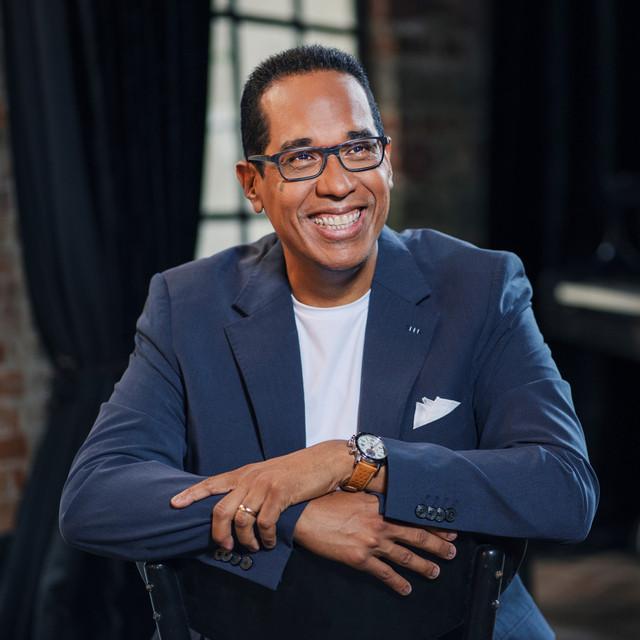
Ron Blake

Jazz
Smooth Jazz
Jazz Fusion
 Viberate Rank: 390307
 Viberate Rank: 390307
 Monthly ListenersFollowers
 Subscribers
 Followers
 Followers
 FansTop Spotify Songs
| Track | 7-Day Streams | |
|---|---|---|
1 | 3.91K | |
2 | 1.97K | |
3 | 436 | |
4 | 400 | |
5 | 260 |
Top YouTube VideosMonthly ListenersFeatured in Playlists| Playlist | Followers | |
|---|---|---|
1 |  BOSCH a fan made playlist with Harry Bosch Jazz inspired by the TV-Series and books. Jens Olsson | 19.74K |
2 | Christmas Jazz Raul Baltazar | 12.86K |
3 |  Jordan Rakei: Songs I Walk My Dog To Jordan Rakei | 12.76K |
4 |  Vintage Christmas Jazz suremoe | 11.26K |
5 |  New Jazz 2026 hen.ry | 11.09K |
Audience| City | Monthly Listeners | |
|---|---|---|
1 |  | 196 |
2 | | 91 |
3 | | 76 |
4 | | 62 |
5 |  | 56 |
See full performance history, audience data, playlist activity, rankings, comparisons, and more in Viberate music analytics. Start with a free trial, then continue with a paid plan.
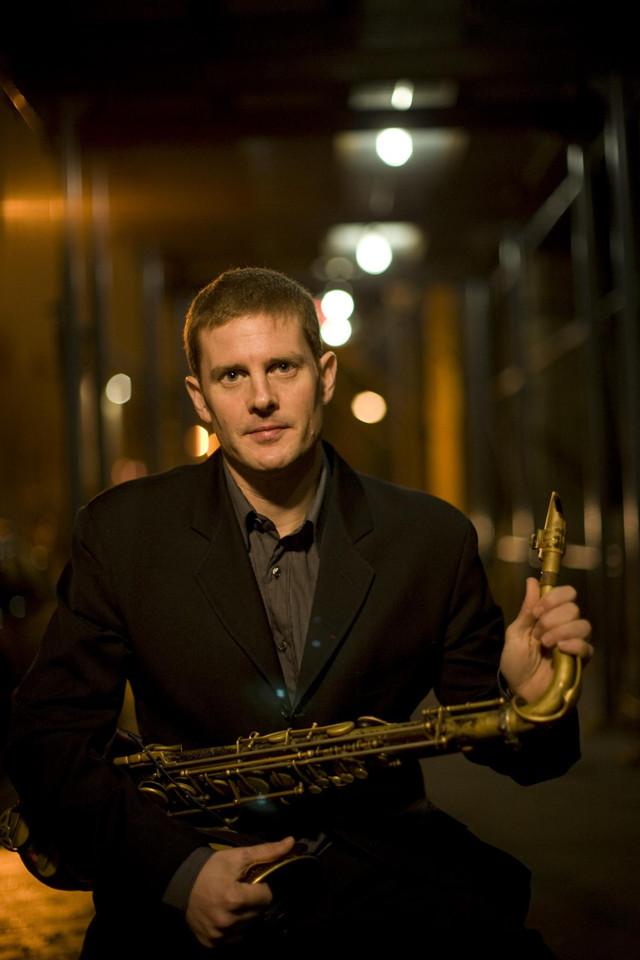
Ron Blake’s Spotify BioA big-toned, gutsy, hard-swinging instrumentalist who is known for hard bop and soul-jazz, saxman Ron Blake should not be confused with either the '60s drummer Ronnie Blake, or the late-'90s- early-2000s trumpeter Ron Blake (a session player who has appeared in rock and R&B settings). Saxophonist Blake (who is best known for his tenor and soprano playing, but can also handle the baritone and alto saxes) can be lyrical or romantic but always brings a lot of grit to his solos; he is obviously well aware of the funkier, bluesier side of jazz and usually doesn't go out of his way to be abstract. Blake brings a long list of influences to his work, and they range from Dexter Gordon, Johnny Griffin, Sonny Rollins and John Coltrane, to Grover Washington, Jr., Gene Ammons, and Stanley Turrentine. Blake has been compared to all of those saxmen, and some more valid comparisons include Eddie Harris, Ron Holloway, Eddie "Lockjaw" Davis, David "Fathead" Newman, and Robert "Bootsie" Barnes (a superb… tenor man who is famous in Philadelphia but little-known in other cities). Although Blake has lived in New York City since the early '90s, he isn't a native of the Big Apple; the improviser was born in the Virgin Islands. Blake was only eight when he began studying the guitar, and at the age of ten, he started learning the sax after being exposed to the record collection of his father (who was seriously into hard bop, soul-jazz and organ combos). Blake's first saxophone was an alto, but eventually, he learned the tenor, soprano, and baritone saxes as well; he also studied the flute. After leaving the Virgin Islands, Blake ended up in the Midwestern United States, where he graduated from the Interlochen Arts Academy in Michigan before moving to the Chicago area and attending Northwestern University in Evanston, IL in the 1980s. At Northwestern, Blake studied classical saxophone with Dr. Frederick Hemke, but jazz, not classical, won out -- and the late '80s found Blake playing a lot of bop gigs in Chi-Town (where he crossed paths with local icons like tenor man Von Freeman and pianist Jodie Christian). Although he found that Chicago had a rich jazz scene, Blake didn't stay; in 1990, he moved to Florida after being offered a teaching gig at the University of South Florida. But Blake didn't remain in Florida either; in 1992, he moved to New York City, where he spent five years in trumpeter Roy Hargrove's quintet ,and seven years in flugelhornist Art Farmer's group. By the early 2000s, Blake was leading his own quartet, which included pianist Shedrick Mitchell, bassist Reuben Rogers, and drummer Greg Hutchinson. Blake's first album as a leader, Up Front & Personal, was released on the Tahmun label in 2000. That CD was followed by 2003's Christian McBride-produced Lest We Forget, a Mack Avenue release that found Blake paying tribute to three soul-jazz greats who had died: Grover Washington, Jr., Stanley Turrentine, and organist Charles Earland. ~ Alex Henderson, Rovi
Viberate is a music analytics platform built for A&Rs, artist managers, labels, booking agents, marketers, and artists.
It helps music professionals track artist growth, analyze audience data, monitor playlist activity, compare artists, follow song performance, and identify opportunities across the music market.
Public artist pages provide a free preview of selected artist data. Paid plans provide access to deeper analytics, historical data, charts, comparisons, playlist tools, exports, alerts, reports, and additional professional features.
Yes. Public Viberate artist pages provide selected artist analytics and music data for free.
Viberate also offers a 7-day free trial of the full platform. A credit card is required to start the trial. The trial includes access to the complete product so users can test deeper artist analytics, historical views, playlist insights, comparisons, charts, exports, alerts, and reporting features before choosing a paid plan.
Viberate provides artist analytics across streaming, playlists, social media, video, radio airplay, songs, and audience markets.
Users can analyze Spotify performance, Spotify and Apple Music playlists, YouTube activity, TikTok and Instagram growth, radio spins, song performance, audience locations, demographics, rankings, and overall artist momentum.
Artist profiles also connect to music charts, similar artists, and comparison tools, helping users benchmark performance and evaluate artists in context.
Viberate updates key artist and track data daily.
For followed artists and tracks, selected data is refreshed multiple times per day. This helps teams monitor playlist changes, streaming movement, audience growth, releases, and campaign performance with more current data.
Update frequency can vary depending on the metric and data source.
Yes. Viberate lets users compare up to five artists side by side across streaming, social media, audience, and engagement metrics.
Users can compare fanbase growth, audience demographics, locations, Spotify performance, social metrics, and other artist data over selected time periods.
Artist comparison can be used for A&R scouting, benchmarking, booking decisions, campaign planning, and evaluating artists with similar audiences or market positions.