Romina Power

Pop
Mainstream Pop
Dance
 Viberate Rank: 31305
 Viberate Rank: 31305
 Monthly ListenersFollowers
 Subscribers
 Followers
 Followers
 FansTop Spotify Songs
| Track | 7-Day Streams | |
|---|---|---|
1 | 92.63K | |
2 | 55.12K | |
3 | 46.42K | |
4 | 42.53K | |
5 | 21.72K |
Top YouTube VideosMonthly ListenersFeatured in Playlists| Playlist | Followers | |
|---|---|---|
1 |  Anni 80 Spotify | 258.01K |
2 |  Sanremo: La Storia Spotify | 102.97K |
3 | ❤️ITALIANO 🇮🇹 Joanna Wróblewska | 68.00K |
4 |  Italo Classic‘s 🇮🇹 Maxi Deischl | 59.68K |
5 |  60s 70s 80s 90s 00s Greatest Hits and Songs Diestro Music | 51.95K |
Audience| City | Monthly Listeners | |
|---|---|---|
1 |  | 8.84K |
2 | | 7.95K |
3 |  | 7.54K |
4 |  | 7.49K |
5 | | 7.27K |
See full performance history, audience data, playlist activity, rankings, comparisons, and more in Viberate music analytics. Start with a free trial, then continue with a paid plan.
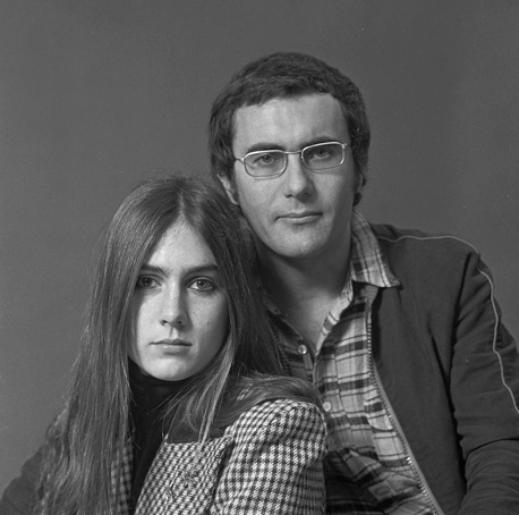
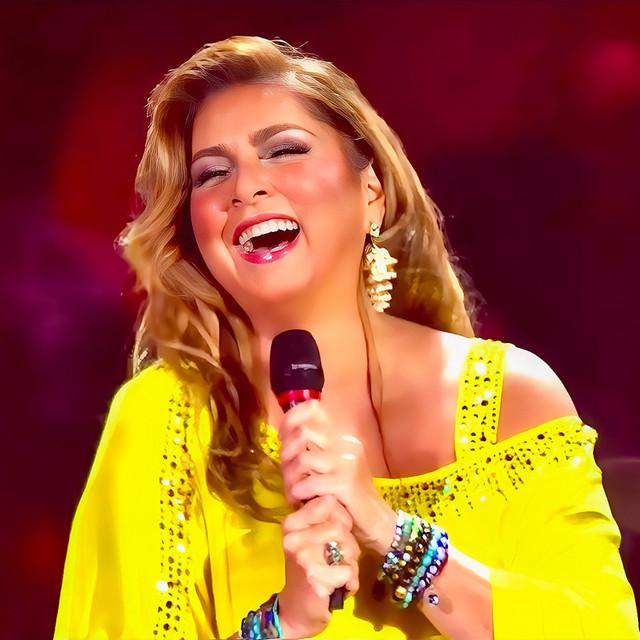
Romina Power’s Spotify BioRomina Power, nata a Los Angeles, è una cantante, attrice, scrittrice e pittrice, figlia di Tyrone Power e Linda Christian. Cresce tra Messico e Italia, sviluppando una forte passione per la musica e l’arte.
Negli anni ’60 frequenta un collegio in Inghilterra, dove scopre i Beatles e Bob Dylan, che la ispirano a scrivere le sue prime canzoni. Tornata in Italia, debutta giovanissima nel cinema, recitando in numerosi film.
Nel 1965 inizia la carriera musicale con il suo primo 45 giri, alternando il canto alla recitazione. Sul set del film Nel Sole incontra Al Bano, con cui si sposa nel 1970, dando vita a una delle coppie artistiche più amate. Insieme raggiungono il successo internazionale con brani come Felicità, Ci Sarà, Nostalgia Canaglia e Sharazan, vincendo il primo posto a Sanremo con Ci Sarà e partecipando all’Eurofestival.
Dopo una pausa musicale, nel 2013 torna a esibirsi con Al Bano, intraprendendo tour mondiali e pubblicando nel 2020 l’album Raccogli l’attimo, che include anche… brani da solista.
Durante il lockdown, registra un audiolibro e traduce due libri del maestro spirituale Geshe Kelsang Gyatso.
Romina Power, una figura iconica della musica e dell’arte, con un pubblico trasversale e generazionale che la segue con affetto quasi in tutto il mondo.
Viberate is a music analytics platform built for A&Rs, artist managers, labels, booking agents, marketers, and artists.
It helps music professionals track artist growth, analyze audience data, monitor playlist activity, compare artists, follow song performance, and identify opportunities across the music market.
Public artist pages provide a free preview of selected artist data. Paid plans provide access to deeper analytics, historical data, charts, comparisons, playlist tools, exports, alerts, reports, and additional professional features.
Yes. Public Viberate artist pages provide selected artist analytics and music data for free.
Viberate also offers a 7-day free trial of the full platform. A credit card is required to start the trial. The trial includes access to the complete product so users can test deeper artist analytics, historical views, playlist insights, comparisons, charts, exports, alerts, and reporting features before choosing a paid plan.
Viberate provides artist analytics across streaming, playlists, social media, video, radio airplay, songs, and audience markets.
Users can analyze Spotify performance, Spotify and Apple Music playlists, YouTube activity, TikTok and Instagram growth, radio spins, song performance, audience locations, demographics, rankings, and overall artist momentum.
Artist profiles also connect to music charts, similar artists, and comparison tools, helping users benchmark performance and evaluate artists in context.
Viberate updates key artist and track data daily.
For followed artists and tracks, selected data is refreshed multiple times per day. This helps teams monitor playlist changes, streaming movement, audience growth, releases, and campaign performance with more current data.
Update frequency can vary depending on the metric and data source.
Yes. Viberate lets users compare up to five artists side by side across streaming, social media, audience, and engagement metrics.
Users can compare fanbase growth, audience demographics, locations, Spotify performance, social metrics, and other artist data over selected time periods.
Artist comparison can be used for A&R scouting, benchmarking, booking decisions, campaign planning, and evaluating artists with similar audiences or market positions.