Roman Candle

Rock
Pop Rock
Americana/Alt Country
 Viberate Rank: 460569
 Viberate Rank: 460569
 Monthly ListenersFollowers
 Subscribers
 Followers
 Followers
 FansTop Spotify Songs
| Track | 7-Day Streams | |
|---|---|---|
1 | 82 | |
2 | 37 | |
3 | 33 | |
4 | 29 | |
5 | 18 |
Top YouTube VideosMonthly ListenersFeatured in Playlists| Playlist | Followers | |
|---|---|---|
1 |  Music I Love Sleeping At Last | 6.40K |
2 |  BIRP! 2009 - 2019 BIRP! | 2.20K |
3 | WRLT Lightning 100 Nashville, TN [Unofficial and Uncensored] djxjd | 1.88K |
4 |  2013 Songpickr Archive Songpickr | 1.33K |
5 |  The Sound of Jangle Pop The Sounds of Spotify | 1.28K |
Audience| City | Monthly Listeners | |
|---|---|---|
1 | | 18 |
2 | | 13 |
3 | | 13 |
4 | | 10 |
5 | | 9 |
See full performance history, audience data, playlist activity, rankings, comparisons, and more in Viberate music analytics. Start with a free trial, then continue with a paid plan.
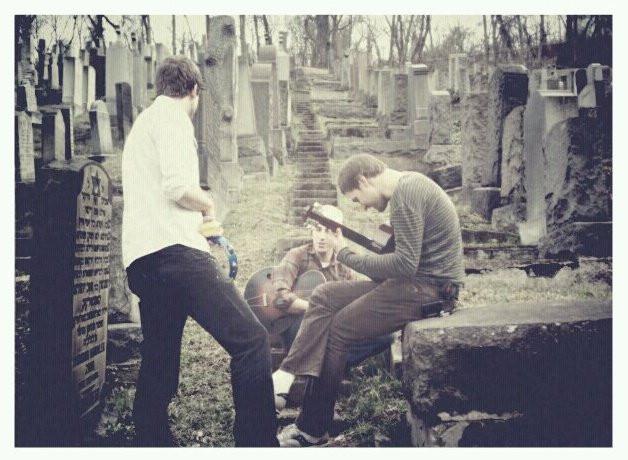
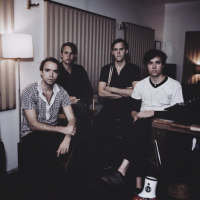
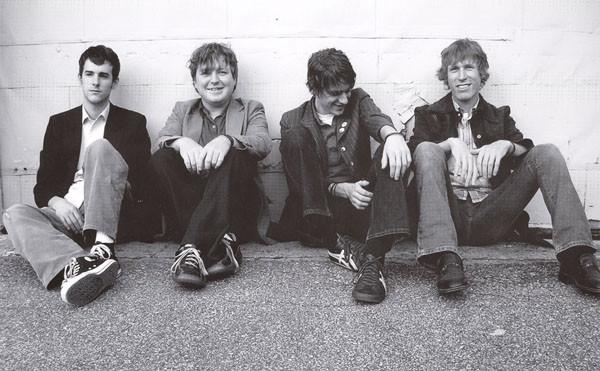
Roman Candle’s Spotify BioThe alt-country/indie rock quintet from Chapel Hill had its roots in bandmembers (and brothers) Skip and Logan Matheny's childhoods in Wilkesboro, NC, where they grew up with a great-grandfather who took them to the Grand Ole Opry and a high school band director father who also performed in R&B bands and took his family to Merlefest, an annual musical event held by Doc Watson to remember his son. In 1997, when Logan joined his brother at the University of North Carolina-Chapel Hill, the Mathenys formed an unofficial band (with Logan on drums and Skip on guitar and vocals), having friends and acquaintances sit in to fill out the sound. Within a few years, they had a consistent lineup and were playing around town regularly. The band, called Roman Candle, was put on hold, however, when Skip and his wife, Timshel (who played Wurlitzer and Farfisa with the brothers), moved to Oregon and took more regular jobs. But when Broncos defensive end Trevor Pryce, wanting to start a label, approached… Skip with the possibility of a contract, Roman Candle reunited (guitarist Nick Jaeger and bassist Jeff Crawford rounded off the band) and their debut, Says Pop, was recorded and released in 2002. Wanting better promotion for the album, Pryce and Roman Candle went to Hollywood Records, and although various options and contracts were discussed, nothing ever materialized. By this time the bandmembers were back in North Carolina, where they met producer Chris Stanley, with whom they reworked the songs on Says Pop, and in 2005 they signed with V2 Records, which released the new version of their first album (with a new title, The Wee Hours Revue), in 2006. The well-regarded Oh Tall Tree in the Ear arrived in 2009. ~ Marisa Brown, Rovi
Viberate is a music analytics platform built for A&Rs, artist managers, labels, booking agents, marketers, and artists.
It helps music professionals track artist growth, analyze audience data, monitor playlist activity, compare artists, follow song performance, and identify opportunities across the music market.
Public artist pages provide a free preview of selected artist data. Paid plans provide access to deeper analytics, historical data, charts, comparisons, playlist tools, exports, alerts, reports, and additional professional features.
Yes. Public Viberate artist pages provide selected artist analytics and music data for free.
Viberate also offers a 7-day free trial of the full platform. A credit card is required to start the trial. The trial includes access to the complete product so users can test deeper artist analytics, historical views, playlist insights, comparisons, charts, exports, alerts, and reporting features before choosing a paid plan.
Viberate provides artist analytics across streaming, playlists, social media, video, radio airplay, songs, and audience markets.
Users can analyze Spotify performance, Spotify and Apple Music playlists, YouTube activity, TikTok and Instagram growth, radio spins, song performance, audience locations, demographics, rankings, and overall artist momentum.
Artist profiles also connect to music charts, similar artists, and comparison tools, helping users benchmark performance and evaluate artists in context.
Viberate updates key artist and track data daily.
For followed artists and tracks, selected data is refreshed multiple times per day. This helps teams monitor playlist changes, streaming movement, audience growth, releases, and campaign performance with more current data.
Update frequency can vary depending on the metric and data source.
Yes. Viberate lets users compare up to five artists side by side across streaming, social media, audience, and engagement metrics.
Users can compare fanbase growth, audience demographics, locations, Spotify performance, social metrics, and other artist data over selected time periods.
Artist comparison can be used for A&R scouting, benchmarking, booking decisions, campaign planning, and evaluating artists with similar audiences or market positions.