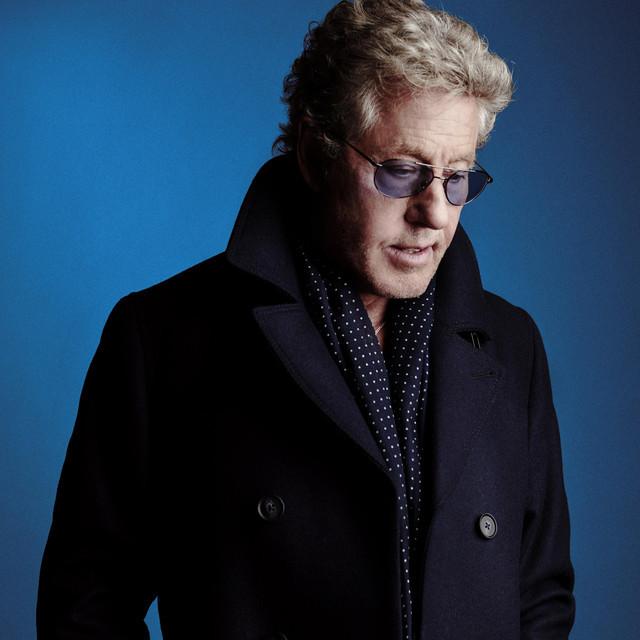
Roger Daltrey

Rock
Pop Rock
Hard Rock
 Viberate Rank: 60074
 Viberate Rank: 60074
 Monthly ListenersFollowers
 Subscribers
 Followers
 Followers
 FansTop Spotify Songs
| Track | 7-Day Streams | |
|---|---|---|
1 | 11.82K | |
2 | 9.96K | |
3 | 5.05K | |
4 | 4.35K | |
5 | 4.07K |
Top YouTube Videos| Video | 7-Day Views | |
|---|---|---|
1 | 9.09K | |
2 | 7.17K | |
3 | 2.74K | |
4 | 1.51K | |
5 | 1.35K |
Monthly ListenersFeatured in Playlists| Playlist | Followers | |
|---|---|---|
1 | Classic Rock Greatest Hits Scott Pruden | 341.40K |
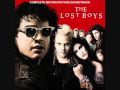
2 |  The Lost Boys Soundtrack Sean Martin | 92.15K |
3 | probably the best indie playlist ever Jason Williams | 61.79K |
4 |  ALL TIME CLASSICS | | My Forever Favorites Damian Habraken | 57.86K |
5 |  The Who Best Of The Who | 47.90K |
Audience| City | Monthly Listeners | |
|---|---|---|
1 |  | 3.35K |
2 | | 3.12K |
3 | | 1.65K |
4 |  | 1.49K |
5 |  | 951 |
See full performance history, audience data, playlist activity, rankings, comparisons, and more in Viberate music analytics. Start with a free trial, then continue with a paid plan.
Roger Daltrey’s Spotify BioWho lead singer Roger Daltrey forged a parallel solo career beginning in 1973, when the group had begun to fall apart in the aftermath of Quadrophenia. Born March 1, 1944 in London, Daltrey grew up in the same Shepherd's Bush neighborhood as future Who bandmates Pete Townshend and John Entwistle, performing with them as the Detours as early as his late teen years. Over time, Daltrey developed into one of rock's most powerful lead vocalists, a position to which he staked his claim on the Who's 1971 masterpiece Who's Next; his on-stage persona was one of macho swagger, accompanied by such antics as twirling his microphone like a lasso.
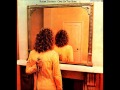
Daltrey first traveled the solo route in 1973 with an album titled simply Daltrey, featuring mostly material penned by a then-unknown Leo Sayer that served as a departure from the Who's signature hard rock sound. The Who reconvened for The Who by Numbers in 1975, a year that saw Daltrey release his second solo album, Ride a Rock Horse, and appear in Ken… Russell's films Lisztomania (as composer Franz Liszt) and an adaptation of Tommy (in the title role). While the Who went on hiatus for several years, Daltrey released One of the Boys in 1977 and appeared in the 1978 film The Legacy. During the Who's post-Keith Moon era, Daltrey co-produced and starred in the film McVicar, a biography of train robber John McVicar; members of the Who appeared on its soundtrack, which essentially served as a full-fledged Daltrey album and found him bridging the gap between hard rock and the pop songs of his earlier solo work. After the Who officially disbanded in 1983, Daltrey's solo albums became uniformly hard-rocking affairs, most notable among them 1985's Under a Raging Moon. In addition to the Who's 1989 reunion tour, Daltrey continued to act in occasional television and film roles, as well as releasing the solo album Rocks in the Head in 1992.
To celebrate turning 50, Daltrey played two nights at Carnegie Hall in 1994 and the recordings were issued later that year as A Celebration: The Music of Pete Townshend and the Who, with a companion DVD surfacing in 1998. In 1999 he performed alongside artists such as Darlene Love and Zak Starkey at a Royal Albert Hall show by an act billed as the British Rock Symphony. Fueled by a full orchestra and gospel choir, the set list consisted of classic material originally performed by the Who and their contemporaries. A related studio album followed, as did wider European and U.S. tours, before a live DVD appeared in 2000. Daltrey returned to the Albert Hall in November 2000 for the inaugural Teenage Cancer Trust benefit show. He became a patron of the charity, overseeing a run of yearly star-studded events at the venue that lasted well into the next decade.
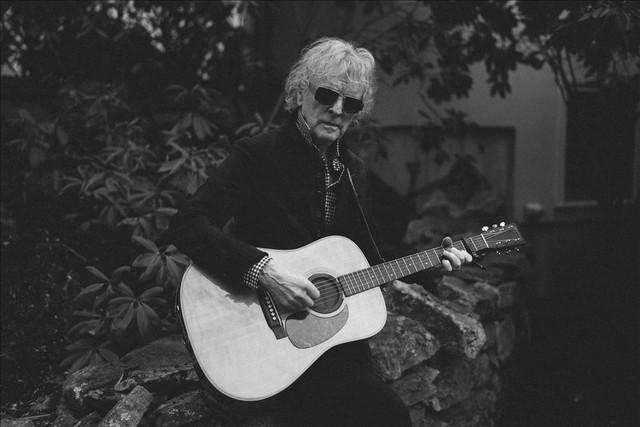
In May 2006 he performed "Highbury Highs," a song especially written for a ceremony to mark Arsenal's final football game at the Highbury Stadium in North London. By 2009, he was touring the U.S. once again with a lineup that included Pete Townshend's brother Simon, and Daltrey retained this band for a 2011 Teenage Cancer Trust performance of Tommy. In November 2013, a mere six months after his friend and former Dr. Feelgood guitarist Wilko Johnson was diagnosed with pancreatic cancer, Daltrey accompanied him on sessions for an album entitled Going Back Home. Featuring reinterpretations of material from throughout Johnson's career, the record was launched with a gig at the Shepherd's Bush Empire in February 2014. He continued his charity efforts by recording a cover of Townshend's "Let My Love Open the Door," of which all sales proceeds benefited Teen Cancer America.
In the midst of a 2014-2016 anniversary tour with the Who, Daltrey recorded his next album, which arrived in 2018. As Long as I Have You (Polydor) featured Townshend on guitar, Mick Talbot on keys, and Sean Genockey on guitar. In addition to new songs, the set also included covers of songs by Nick Cave, Stevie Wonder, Stephen Stills, and more. ~ Steve Huey & James Wilkinson, Rovi
Viberate is a music analytics platform built for A&Rs, artist managers, labels, booking agents, marketers, and artists.
It helps music professionals track artist growth, analyze audience data, monitor playlist activity, compare artists, follow song performance, and identify opportunities across the music market.
Public artist pages provide a free preview of selected artist data. Paid plans provide access to deeper analytics, historical data, charts, comparisons, playlist tools, exports, alerts, reports, and additional professional features.
Yes. Public Viberate artist pages provide selected artist analytics and music data for free.
Viberate also offers a 7-day free trial of the full platform. A credit card is required to start the trial. The trial includes access to the complete product so users can test deeper artist analytics, historical views, playlist insights, comparisons, charts, exports, alerts, and reporting features before choosing a paid plan.
Viberate provides artist analytics across streaming, playlists, social media, video, radio airplay, songs, and audience markets.
Users can analyze Spotify performance, Spotify and Apple Music playlists, YouTube activity, TikTok and Instagram growth, radio spins, song performance, audience locations, demographics, rankings, and overall artist momentum.
Artist profiles also connect to music charts, similar artists, and comparison tools, helping users benchmark performance and evaluate artists in context.
Viberate updates key artist and track data daily.
For followed artists and tracks, selected data is refreshed multiple times per day. This helps teams monitor playlist changes, streaming movement, audience growth, releases, and campaign performance with more current data.
Update frequency can vary depending on the metric and data source.
Yes. Viberate lets users compare up to five artists side by side across streaming, social media, audience, and engagement metrics.
Users can compare fanbase growth, audience demographics, locations, Spotify performance, social metrics, and other artist data over selected time periods.
Artist comparison can be used for A&R scouting, benchmarking, booking decisions, campaign planning, and evaluating artists with similar audiences or market positions.