Rod Modell

Electronic
Techno
Dub Techno
 Viberate Rank: 222838
 Viberate Rank: 222838
 Monthly ListenersFollowers
 Subscribers
 Followers
 Followers
 FansTop Spotify Songs
| Track | 7-Day Streams | |
|---|---|---|
1 | 4.21K | |
2 | 3.72K | |
3 | 3.36K | |
4 | 1.38K | |
5 | 1.34K |
Top YouTube VideosMonthly ListenersFeatured in Playlists| Playlist | Followers | |
|---|---|---|
1 |  Brain Food Spotify | 3.66M |
2 |  audífonos con cable Spotify | 415.00K |
3 |  The Sound of Everything The Sounds of Spotify | 53.82K |
4 |  Dub Techno Jimmy Ghaderi | 22.37K |
5 | Best Dub Techno Ever (That I can find on spotify) Drift Deeper | 15.39K |
Audience| City | Monthly Listeners | |
|---|---|---|
1 |  | 1.37K |
2 |  | 894 |
3 |  | 527 |
4 |  | 495 |
5 | | 423 |
See full performance history, audience data, playlist activity, rankings, comparisons, and more in Viberate music analytics. Start with a free trial, then continue with a paid plan.
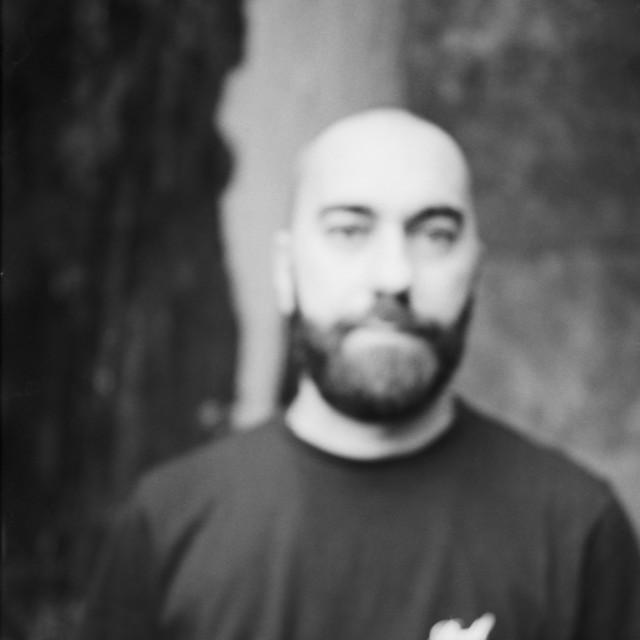
Rod Modell’s Spotify BioDub techno legend Rod Modell is best known for his Deepchord project, and for his work in the duo Echospace with Stephen Hitchell (Soultek), with whom he runs the Echospace Detroit label. But he has also produced several ambient-leaning solo releases, as well as the dancefloor-focused 2019 album Captagon.
Born in Detroit, Modell came of age during the first wave of Detroit techno, and was friendly with originators of the sound like Derrick May, Juan Atkins and Kevin Saunderson. first surfaced in the mid-'90s as half of the duo Waveform Transmission with Chris Troy. In 1998, he teamed up with Michael Mantra for the Hypnos release Sonic Continuum; his debut solo album, The Autonomous Music Project, was issued the following year on Italian label Lunar. In the early 2000s he co-founded the dub techno project Deepchord with Mike Schommer, releasing a series of highly sought-after 12"s. Throughout that decade he released more ambient solo albums, culminating in 2007's Incense and Black Light… on Plop. That year also saw the launch of the Echospace project with Chicago's Stephen Hitchell. Their two albums on British label Modern Love, The Coldest Season and Liumin, were widely acclaimed. They also launched the Echospace Detroit label to release music under their many aliases and side-projects.
In the 2010s, Modell took the Deepchord project solo, releasing a number of highly regarded albums for Scottish techno institution Soma. His first solo album in almost a decade, Mediterranea, appeared in 2016 on Echospace Detroit; three years later, he released his debut for Tresor, Captagon. Very different from all of his other albums, it was a high-energy, dancefloor-focused work that sounded like his Deepchord material cranked up to twice the speed. ~ John D. Buchanan & Jason Ankeny, Rovi
Viberate is a music analytics platform built for A&Rs, artist managers, labels, booking agents, marketers, and artists.
It helps music professionals track artist growth, analyze audience data, monitor playlist activity, compare artists, follow song performance, and identify opportunities across the music market.
Public artist pages provide a free preview of selected artist data. Paid plans provide access to deeper analytics, historical data, charts, comparisons, playlist tools, exports, alerts, reports, and additional professional features.
Yes. Public Viberate artist pages provide selected artist analytics and music data for free.
Viberate also offers a 7-day free trial of the full platform. A credit card is required to start the trial. The trial includes access to the complete product so users can test deeper artist analytics, historical views, playlist insights, comparisons, charts, exports, alerts, and reporting features before choosing a paid plan.
Viberate provides artist analytics across streaming, playlists, social media, video, radio airplay, songs, and audience markets.
Users can analyze Spotify performance, Spotify and Apple Music playlists, YouTube activity, TikTok and Instagram growth, radio spins, song performance, audience locations, demographics, rankings, and overall artist momentum.
Artist profiles also connect to music charts, similar artists, and comparison tools, helping users benchmark performance and evaluate artists in context.
Viberate updates key artist and track data daily.
For followed artists and tracks, selected data is refreshed multiple times per day. This helps teams monitor playlist changes, streaming movement, audience growth, releases, and campaign performance with more current data.
Update frequency can vary depending on the metric and data source.
Yes. Viberate lets users compare up to five artists side by side across streaming, social media, audience, and engagement metrics.
Users can compare fanbase growth, audience demographics, locations, Spotify performance, social metrics, and other artist data over selected time periods.
Artist comparison can be used for A&R scouting, benchmarking, booking decisions, campaign planning, and evaluating artists with similar audiences or market positions.