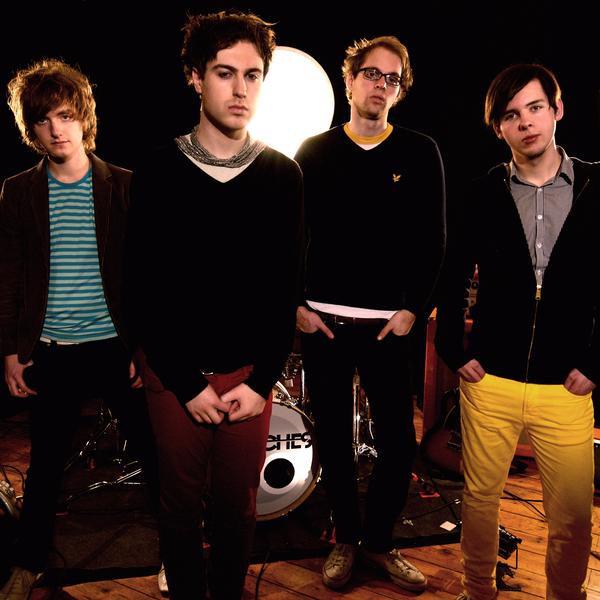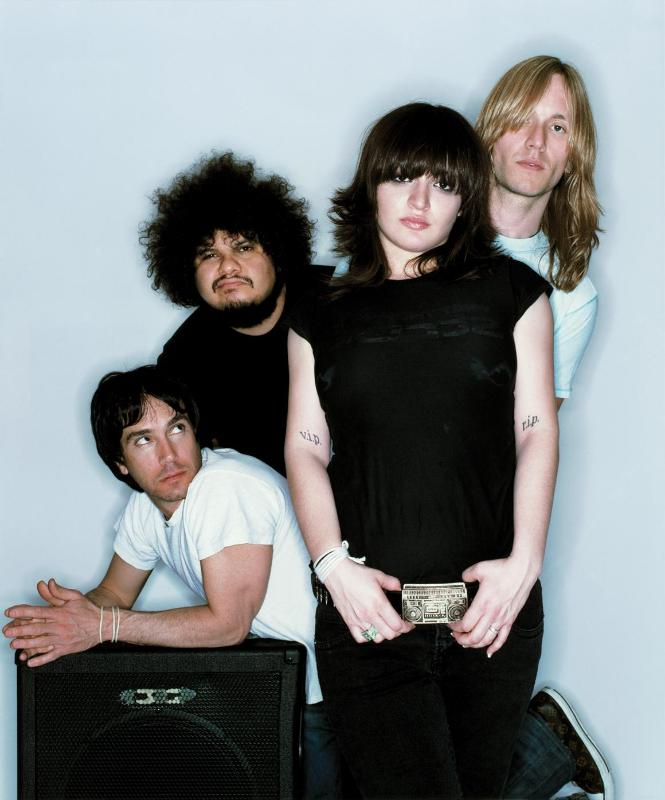
Rock Kills Kid

Rock
Alternative Rock
Indie Pop
 Viberate Rank: 246647
 Viberate Rank: 246647
 Monthly ListenersFollowers
 Subscribers
 Followers
 Followers
 FansTop Spotify Songs
| Track | 7-Day Streams | |
|---|---|---|
1 | 1.38K | |
2 | 1.18K | |
3 | 329 | |
4 | 300 | |
5 | 138 |
Top YouTube VideosMonthly ListenersFeatured in Playlists| Playlist | Followers | |
|---|---|---|
1 |  The OC Soundtrack [All Seasons Playlist] Solitude Collective | 138.10K |
2 |  The OC Jamie Barmakian | 39.82K |
3 | El Convidat 3Cat | 24.98K |
4 | The OC & More Sara P. DeLaMarre | 24.66K |
5 | mumble...mumble... | 20.29K |
Audience| City | Monthly Listeners | |
|---|---|---|
1 | | 9 |
2 | | 7 |
3 |  | 5 |
4 | | 5 |
5 | | 4 |
See full performance history, audience data, playlist activity, rankings, comparisons, and more in Viberate music analytics. Start with a free trial, then continue with a paid plan.
Rock Kills Kid’s Spotify BioBased around the songwriting talents of Jeff Tucker, the California-based alternative rock outfit Rock Kills Kid initially came together in the last part of the '90s. Having recently graduated from high school, Tucker was directionless and socially withdrawn when he finally worked up the nerve to hook up with some local punk bands and begin writing songs. Together with two of his bandmates, drummer Chris Poulson and bassist Kirk Huffman, Tucker formed Rock Kills Kid and recorded a demo that led to the guys inking a deal with Fearless Records in 2000. Their eponymous EP appeared in early 2001 to decent response, but Rock Kills Kid never really toured behind it.
Tucker soon found himself with no money and living as a squatter in the Los Angeles recording studio. Over the next few years, he constantly wrote -- barely leaving his illegal quarters -- and by the end of 2003, Tucker had amassed close to 150 songs. Meanwhile, Rock Kills Kid was still alive in name, but with an unstable roster,… far from actually being a band. Undeterred, Tucker eventually recruited bassist Shawn Dailey, keyboardist Reed Calhoun, drummer Ian Hendrickson, and guitarist Sean Stopnik to once again complete the group. After the band signed to Reprise during the recording process, the emotionally tense Are You Nervous? arrived in May 2006. Produced by Mark Trombino (blink-182, Jimmy Eat World), their full-length debut was a post-punk-inspired effort that Tucker used to deal with his years of self-imposed isolation. March was spent on the road with the Electric Six and Nightmare of You; various tour dates followed the record's release as well. ~ Corey Apar, Rovi
Viberate is a music analytics platform built for A&Rs, artist managers, labels, booking agents, marketers, and artists.
It helps music professionals track artist growth, analyze audience data, monitor playlist activity, compare artists, follow song performance, and identify opportunities across the music market.
Public artist pages provide a free preview of selected artist data. Paid plans provide access to deeper analytics, historical data, charts, comparisons, playlist tools, exports, alerts, reports, and additional professional features.
Yes. Public Viberate artist pages provide selected artist analytics and music data for free.
Viberate also offers a 7-day free trial of the full platform. A credit card is required to start the trial. The trial includes access to the complete product so users can test deeper artist analytics, historical views, playlist insights, comparisons, charts, exports, alerts, and reporting features before choosing a paid plan.
Viberate provides artist analytics across streaming, playlists, social media, video, radio airplay, songs, and audience markets.
Users can analyze Spotify performance, Spotify and Apple Music playlists, YouTube activity, TikTok and Instagram growth, radio spins, song performance, audience locations, demographics, rankings, and overall artist momentum.
Artist profiles also connect to music charts, similar artists, and comparison tools, helping users benchmark performance and evaluate artists in context.
Viberate updates key artist and track data daily.
For followed artists and tracks, selected data is refreshed multiple times per day. This helps teams monitor playlist changes, streaming movement, audience growth, releases, and campaign performance with more current data.
Update frequency can vary depending on the metric and data source.
Yes. Viberate lets users compare up to five artists side by side across streaming, social media, audience, and engagement metrics.
Users can compare fanbase growth, audience demographics, locations, Spotify performance, social metrics, and other artist data over selected time periods.
Artist comparison can be used for A&R scouting, benchmarking, booking decisions, campaign planning, and evaluating artists with similar audiences or market positions.