Robyn Hitchcock

Rock
Folk Rock
Indie Pop
Psychedelic Rock
 Viberate Rank: 80586
 Viberate Rank: 80586
 Monthly ListenersFollowers
 Subscribers
 Followers
 Followers
 FansTop Spotify Songs
| Track | 7-Day Streams | |
|---|---|---|
1 | 3.34K | |
2 | 2.93K | |
3 | 2.82K | |
4 | 2.63K | |
5 | 853 |
Top YouTube VideosMonthly ListenersFeatured in Playlists| Playlist | Followers | |
|---|---|---|
1 | Covers that have no reason being this good Grace Ritter | 60.35K |
2 | New Wave 80's lakers1980 | 41.51K |
3 |  Social Distancing Distortion Matt Berninger | 35.86K |
4 | Unofficial Reverb Radio Jeff Ferruzzo | 21.82K |
5 |  What We Do In the Shadows Ace | 18.64K |
Audience| City | Monthly Listeners | |
|---|---|---|
1 | | 437 |
2 |  | 363 |
3 | | 340 |
4 | | 303 |
5 | | 228 |
See full performance history, audience data, playlist activity, rankings, comparisons, and more in Viberate music analytics. Start with a free trial, then continue with a paid plan.
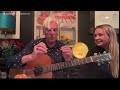
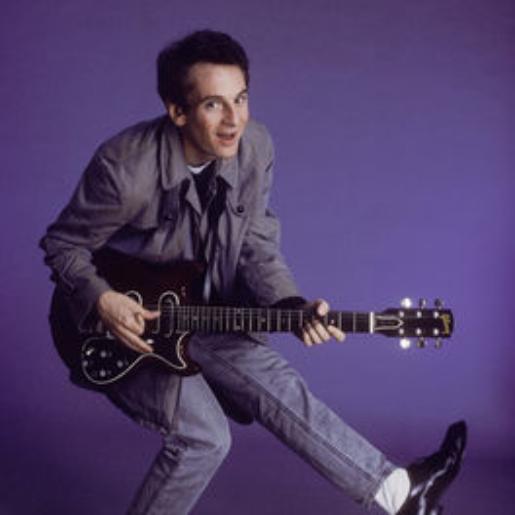
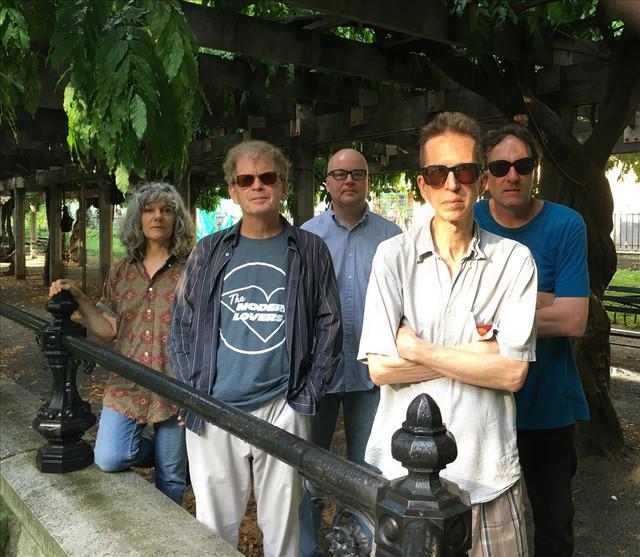
Robyn Hitchcock’s Spotify BioRobyn Hitchcock is a rock ’n’ roll surrealist. Born in London in 1953, he describes his songs as "paintings you can listen to". As much a child of Dalí, de Chirico and J. G. Ballard as of his 1960s musical heroes, he is a master of the absurd, reveling in the beauty of the unexpected. His first band, the Soft Boys (1976–81), has remained an influential art-rock touchstone for generations of musicians. Hitchcock has floated at a tangent to the mainstream for five decades, and his songs have been performed by R.E.M., the Replacements, Neko Case, Gillian Welch & David Rawlings, Lou Barlow, Uncle Tupelo, Vic Chesnutt, Grant-Lee Phillips, Sparklehorse and Suzanne Vega with the Grateful Dead, among others. He came of age in the 1960s while he attended Winchester College, an eccentric hothouse boarding school in the south of England. Hitchcock lives in Nashville with his wife Emma Swift and their two cats, Ringo and Tubby.
Viberate is a music analytics platform built for A&Rs, artist managers, labels, booking agents, marketers, and artists.
It helps music professionals track artist growth, analyze audience data, monitor playlist activity, compare artists, follow song performance, and identify opportunities across the music market.
Public artist pages provide a free preview of selected artist data. Paid plans provide access to deeper analytics, historical data, charts, comparisons, playlist tools, exports, alerts, reports, and additional professional features.
Yes. Public Viberate artist pages provide selected artist analytics and music data for free.
Viberate also offers a 7-day free trial of the full platform. A credit card is required to start the trial. The trial includes access to the complete product so users can test deeper artist analytics, historical views, playlist insights, comparisons, charts, exports, alerts, and reporting features before choosing a paid plan.
Viberate provides artist analytics across streaming, playlists, social media, video, radio airplay, songs, and audience markets.
Users can analyze Spotify performance, Spotify and Apple Music playlists, YouTube activity, TikTok and Instagram growth, radio spins, song performance, audience locations, demographics, rankings, and overall artist momentum.
Artist profiles also connect to music charts, similar artists, and comparison tools, helping users benchmark performance and evaluate artists in context.
Viberate updates key artist and track data daily.
For followed artists and tracks, selected data is refreshed multiple times per day. This helps teams monitor playlist changes, streaming movement, audience growth, releases, and campaign performance with more current data.
Update frequency can vary depending on the metric and data source.
Yes. Viberate lets users compare up to five artists side by side across streaming, social media, audience, and engagement metrics.
Users can compare fanbase growth, audience demographics, locations, Spotify performance, social metrics, and other artist data over selected time periods.
Artist comparison can be used for A&R scouting, benchmarking, booking decisions, campaign planning, and evaluating artists with similar audiences or market positions.