Robot

Pop
Indie Pop
 Viberate Rank: 508278
 Viberate Rank: 508278
 Monthly ListenersFollowers
 Subscribers
 Followers
 Followers
 FansTop Spotify Songs
| Track | 7-Day Streams | |
|---|---|---|
1 | 10 | |
2 | 3 | |
3 | 2 | |
4 | 1 | |
5 | 1 |
Top YouTube VideosMonthly ListenersFeatured in Playlists| Playlist | Followers | |
|---|---|---|
1 |  RADIO NOIR LARY | 2.58K |
2 | Deutschlandfunk Kultur Love Deutschlandfunk Kultur | 1.47K |
Audience| City | Monthly Listeners | |
|---|---|---|
1 |  | 6 |
2 | | 4 |
3 | | 3 |
See full performance history, audience data, playlist activity, rankings, comparisons, and more in Viberate music analytics. Start with a free trial, then continue with a paid plan.
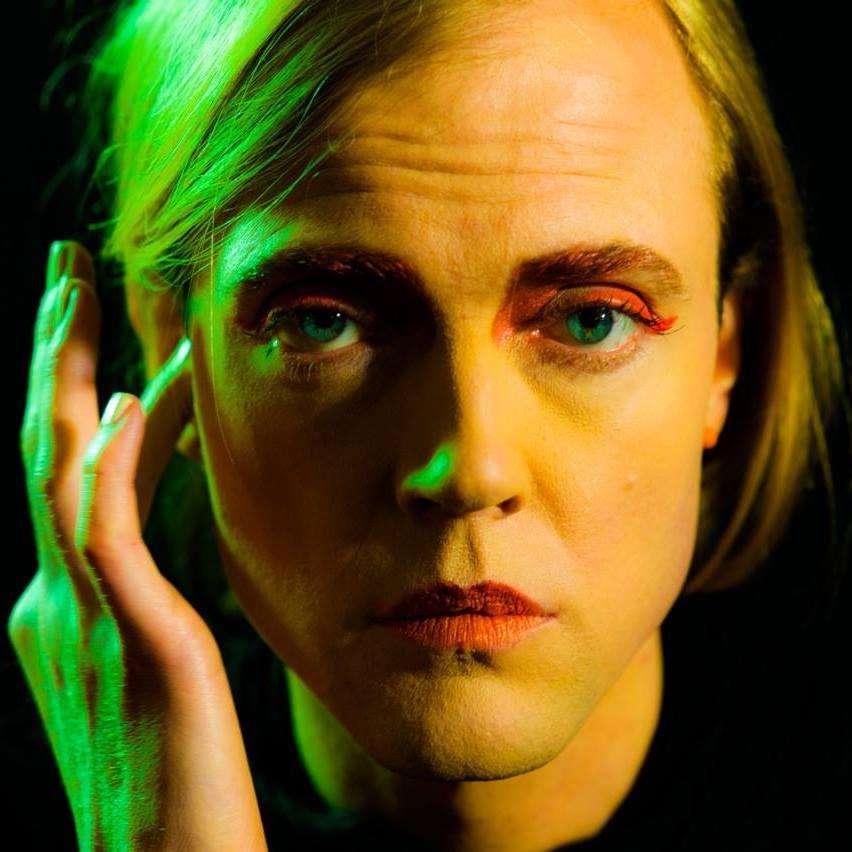
Robot’s Spotify BioRobot is Berlin based British producer/musician Robbie Moore.
‘Wedding Address’ (Sep 2020) will be his 3rd Robot album, following 2017’s 33.(3) and Vedgdbol.
In 2014 he created Impression Recordings in Berlin, designed and built from scratch with a nod to the great studios of the 50s and 60s, and housing his enviable collection of musical toys. His clients in Berlin have included L.A. Salami, Peaches, Jesper Munk, Lary, Gemma Ray, Cro, Namika, Donny Benét, Balagan, and many others.
He also produces films of his building projects, and hosts a studio live stream twice a week, all of which feature on his YouTube channel.
Growing up in and around London, and inspired by a Beach Boys LP and Eagles cassette left behind by a lodger, he started writing music at age 7 after discovering his mother’s tape-to-tape function. He built his first studio in London at the age of 21, using recycled materials he found during skip raids across London, featured in Sound on Sound.
In the early 2000s he created… 17-piece psychedelic band The Mores, which in 2002 became the first band to play many of London’s churches including Shoreditch and St. Giles, both now established venues.
In 2005 he took over Trevor Horn’s old SARM East studios, quickly turning it into one of East London’s most desirable studios, with countless sessions there with the likes of Florence + The Machine, No Picasso and Whirlwind Heat. In 2006 he joined Alan Wass/Lefthand as bassist, touring UK with Babyshambles.
Viberate is a music analytics platform built for A&Rs, artist managers, labels, booking agents, marketers, and artists.
It helps music professionals track artist growth, analyze audience data, monitor playlist activity, compare artists, follow song performance, and identify opportunities across the music market.
Public artist pages provide a free preview of selected artist data. Paid plans provide access to deeper analytics, historical data, charts, comparisons, playlist tools, exports, alerts, reports, and additional professional features.
Yes. Public Viberate artist pages provide selected artist analytics and music data for free.
Viberate also offers a 7-day free trial of the full platform. A credit card is required to start the trial. The trial includes access to the complete product so users can test deeper artist analytics, historical views, playlist insights, comparisons, charts, exports, alerts, and reporting features before choosing a paid plan.
Viberate provides artist analytics across streaming, playlists, social media, video, radio airplay, songs, and audience markets.
Users can analyze Spotify performance, Spotify and Apple Music playlists, YouTube activity, TikTok and Instagram growth, radio spins, song performance, audience locations, demographics, rankings, and overall artist momentum.
Artist profiles also connect to music charts, similar artists, and comparison tools, helping users benchmark performance and evaluate artists in context.
Viberate updates key artist and track data daily.
For followed artists and tracks, selected data is refreshed multiple times per day. This helps teams monitor playlist changes, streaming movement, audience growth, releases, and campaign performance with more current data.
Update frequency can vary depending on the metric and data source.
Yes. Viberate lets users compare up to five artists side by side across streaming, social media, audience, and engagement metrics.
Users can compare fanbase growth, audience demographics, locations, Spotify performance, social metrics, and other artist data over selected time periods.
Artist comparison can be used for A&R scouting, benchmarking, booking decisions, campaign planning, and evaluating artists with similar audiences or market positions.