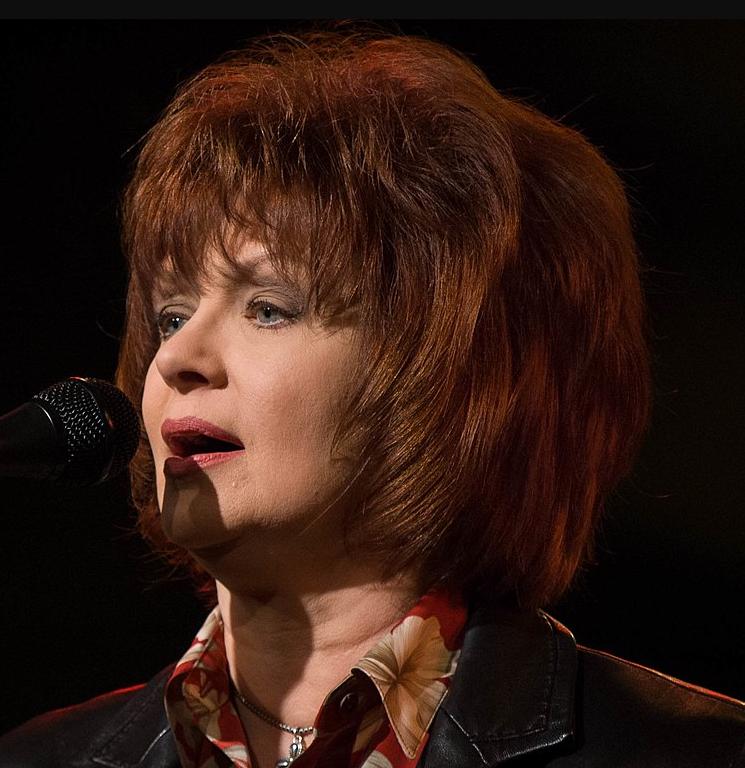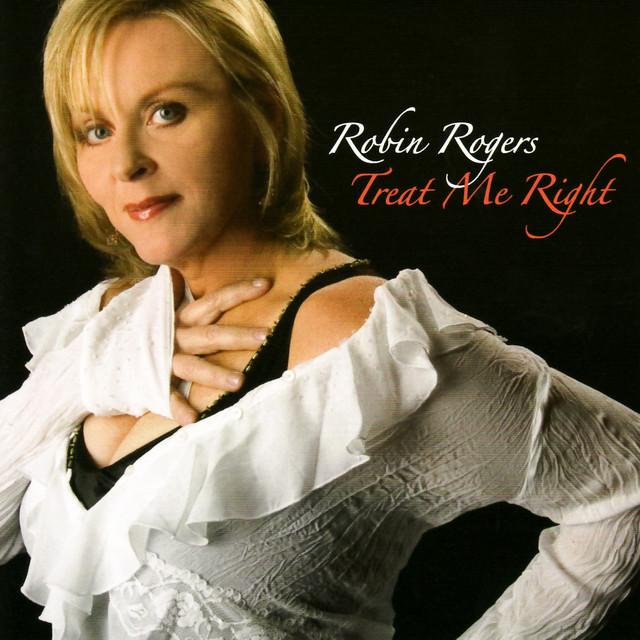
Robin Rogers

Blues
Blues Rock
Contemporary Blues
 Viberate Rank: 456978
 Viberate Rank: 456978
 Monthly ListenersFollowers
 Subscribers
 Followers
 Followers
 FansTop Spotify Songs
| Track | 7-Day Streams | |
|---|---|---|
1 | 38 | |
2 | 24 | |
3 | 23 | |
4 | 16 | |
5 | 13 |
Top YouTube VideosMonthly ListenersFeatured in Playlists| Playlist | Followers | |
|---|---|---|
1 |  The Best Female Blues & Jazz Vocals | Don's Tunes Don's Tunes | 14.96K |
2 |  Women of Blues Blind Pig Records | 4.15K |
3 |  Midnight Blues Helmut Neubauer | 3.81K |
4 |  Blues Bar Mix Mert Veysel Yılmaz | 2.94K |
5 |  Women Blues Jazz Soul shellyblues | 2.46K |
Audience| City | Monthly Listeners | |
|---|---|---|
1 |  | 6 |
2 |  | 6 |
3 |  | 5 |
4 |  | 5 |
5 | | 4 |
See full performance history, audience data, playlist activity, rankings, comparisons, and more in Viberate music analytics. Start with a free trial, then continue with a paid plan.
Robin Rogers’ Spotify BioGuitarist, singer, and harmonica ace Robin Rogers' life was full of hard knocks and sad turns, along with a few delightful coincidences, and she earned the right to sing the blues the tough, old-fashioned way, but sadly, she lived for only a short time after gaining her widest recognition as a solo artist. As a runaway teen in the late '60s she scratched out an existence however she could, sometimes sleeping in parks and abandoned cars as she bummed around the country to places like Richmond, Virginia; Atlanta, Georgia; Ann Arbor, Michigan; and Coconut Grove, Florida. Eventually she was picked up by the authorities and placed in reform school. When she was released at the age of 15, she went back to her nomadic ways, and soon had developed serious addictions to drugs and alcohol. She also started singing, taught herself guitar, and began performing at house parties, on street corners, and in coffeehouses. In 1979 Rogers relocated to South Florida and recorded for the Sal Soul imprint,… settling in Ft. Lauderdale for ten years and eventually kicking her addictions in 1989. A year later in 1990 she moved to North Carolina, where she met her husband, guitarist Tony Rogers. The two began performing as an acoustic blues duo with Rogers turning more and more attention to her harp playing. Producer and drummer Jim Brock heard the duo and recorded a debut album, 2001's Time for Myself, with them. Now working with a full band, which included her husband on guitar, Rogers signed with the 95 North label and released 2004's Crazy Cryin' Blues, which was again produced by Brock. She signed with Blind Pig Records in 2008. Her first album for the label, Treat Me Right, appeared later that year. Back in the Fire followed in 2010, debuting at number three on the Billboard blues album charts, but Rogers learned she had inoperable liver cancer just before the album was released. She died from the cancer on December 17, 2010 at the age of 55. ~ Steve Leggett, Rovi
Viberate is a music analytics platform built for A&Rs, artist managers, labels, booking agents, marketers, and artists.
It helps music professionals track artist growth, analyze audience data, monitor playlist activity, compare artists, follow song performance, and identify opportunities across the music market.
Public artist pages provide a free preview of selected artist data. Paid plans provide access to deeper analytics, historical data, charts, comparisons, playlist tools, exports, alerts, reports, and additional professional features.
Yes. Public Viberate artist pages provide selected artist analytics and music data for free.
Viberate also offers a 7-day free trial of the full platform. A credit card is required to start the trial. The trial includes access to the complete product so users can test deeper artist analytics, historical views, playlist insights, comparisons, charts, exports, alerts, and reporting features before choosing a paid plan.
Viberate provides artist analytics across streaming, playlists, social media, video, radio airplay, songs, and audience markets.
Users can analyze Spotify performance, Spotify and Apple Music playlists, YouTube activity, TikTok and Instagram growth, radio spins, song performance, audience locations, demographics, rankings, and overall artist momentum.
Artist profiles also connect to music charts, similar artists, and comparison tools, helping users benchmark performance and evaluate artists in context.
Viberate updates key artist and track data daily.
For followed artists and tracks, selected data is refreshed multiple times per day. This helps teams monitor playlist changes, streaming movement, audience growth, releases, and campaign performance with more current data.
Update frequency can vary depending on the metric and data source.
Yes. Viberate lets users compare up to five artists side by side across streaming, social media, audience, and engagement metrics.
Users can compare fanbase growth, audience demographics, locations, Spotify performance, social metrics, and other artist data over selected time periods.
Artist comparison can be used for A&R scouting, benchmarking, booking decisions, campaign planning, and evaluating artists with similar audiences or market positions.