Roberto Kunstler

Rock
Folk Rock
Mainstream Pop
 Viberate Rank: 459500
 Viberate Rank: 459500
 Monthly ListenersFollowers
 Subscribers
 Followers
 Followers
 FansTop Spotify SongsTop YouTube VideosMonthly ListenersFeatured in Playlists
| Playlist | Followers | |
|---|---|---|
1 | In Orbita 🚀 Best Playlist | 11.07K |
2 | Edge of Urban 🏀 Best Playlist | 9.51K |
3 | New Music Talent 🎖 Best Playlist | 9.46K |
4 |  Good Vibes Playlist Italiane 🇮🇹 | 7.68K |
5 |  ITALY ❤️ Playlist Italiane 🇮🇹 | 7.59K |
Audience| City | Monthly Listeners | |
|---|---|---|
1 | | 196 |
2 | | 131 |
3 | | 121 |
4 | | 72 |
5 | | 62 |
See full performance history, audience data, playlist activity, rankings, comparisons, and more in Viberate music analytics. Start with a free trial, then continue with a paid plan.
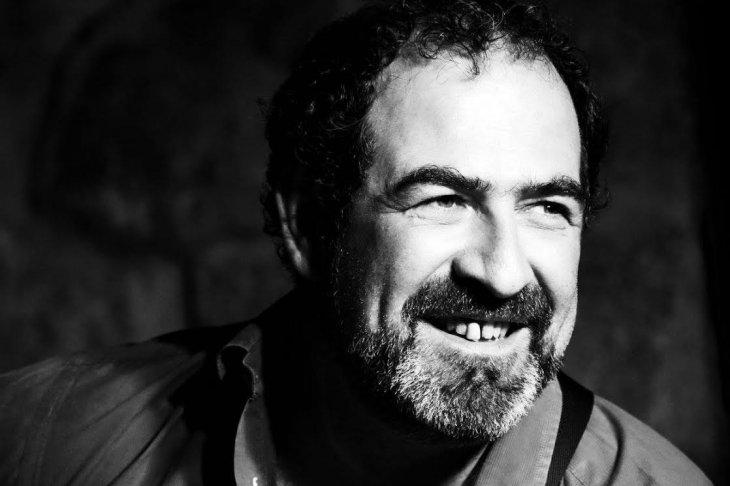
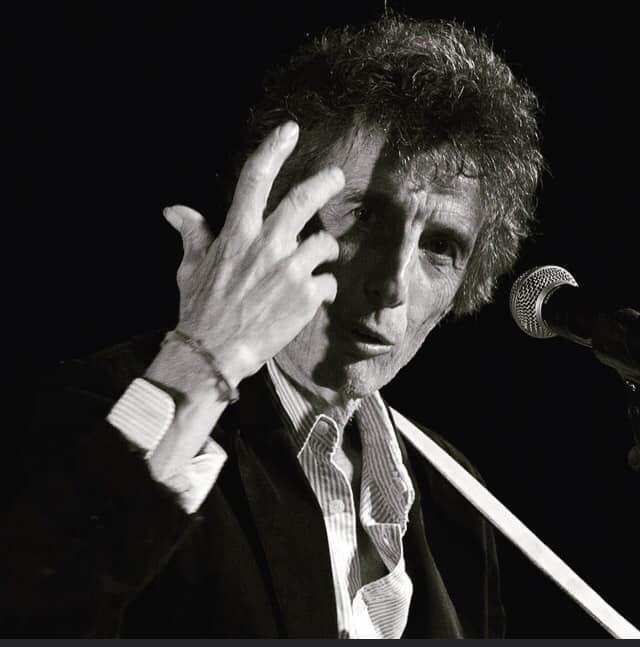
Roberto Kunstler’s Spotify BioRoberto Kunstler, nato a Roma, inizia a suonare e a comporre canzoni verso la fine degli anni settanta. Ancora liceale, si esibisce per la prima volta al Folk Studio. A poco più di vent’anni partecipa al festival di Sanremo (1985) ed esce il suo primo album. Qualche anno dopo, con alle spalle tre album pubblicati, incontra Sergio Cammariere, con il quale intraprende una collaborazione intensa. Un sodalizio ancora attivo che fa di Roberto Kunstler un caso raro nell’ambito del cantautorato. Questo perché riesce da anni a portare avanti due storie musicali parallele. Quella del cantautore e contemporaneamente quella con Cammariere dove, sempre partendo dai testi di Kunstler, le canzoni sono il frutto della creatività instancabile di questo atipico binomio. Atipico proprio perché Kunstler non è solo un autore. E questo fa sì che l’esperienza compositiva si ricolleghi direttamente a quella dei gruppi, dove la nascita di una canzone è quasi sempre il risultato dell’incontro tra due… musicisti, spesso anche cantanti. Così, se da una parte Kunstler continua il suo percorso in solitaria seguendo le orme dei grandi “padri della canzone/poesia” come Bob Dylan e Leonard Cohen, nell’altra “officina creativa” il lavoro è simile a quello di una band.. Difficile trovare un luogo, uno spazio e un tempo in cui collocare questi brani, perché musica e poesia non hanno tempo né spazio e le storie di Kunstler non ne hanno per definizione.
Viberate is a music analytics platform built for A&Rs, artist managers, labels, booking agents, marketers, and artists.
It helps music professionals track artist growth, analyze audience data, monitor playlist activity, compare artists, follow song performance, and identify opportunities across the music market.
Public artist pages provide a free preview of selected artist data. Paid plans provide access to deeper analytics, historical data, charts, comparisons, playlist tools, exports, alerts, reports, and additional professional features.
Yes. Public Viberate artist pages provide selected artist analytics and music data for free.
Viberate also offers a 7-day free trial of the full platform. A credit card is required to start the trial. The trial includes access to the complete product so users can test deeper artist analytics, historical views, playlist insights, comparisons, charts, exports, alerts, and reporting features before choosing a paid plan.
Viberate provides artist analytics across streaming, playlists, social media, video, radio airplay, songs, and audience markets.
Users can analyze Spotify performance, Spotify and Apple Music playlists, YouTube activity, TikTok and Instagram growth, radio spins, song performance, audience locations, demographics, rankings, and overall artist momentum.
Artist profiles also connect to music charts, similar artists, and comparison tools, helping users benchmark performance and evaluate artists in context.
Viberate updates key artist and track data daily.
For followed artists and tracks, selected data is refreshed multiple times per day. This helps teams monitor playlist changes, streaming movement, audience growth, releases, and campaign performance with more current data.
Update frequency can vary depending on the metric and data source.
Yes. Viberate lets users compare up to five artists side by side across streaming, social media, audience, and engagement metrics.
Users can compare fanbase growth, audience demographics, locations, Spotify performance, social metrics, and other artist data over selected time periods.
Artist comparison can be used for A&R scouting, benchmarking, booking decisions, campaign planning, and evaluating artists with similar audiences or market positions.