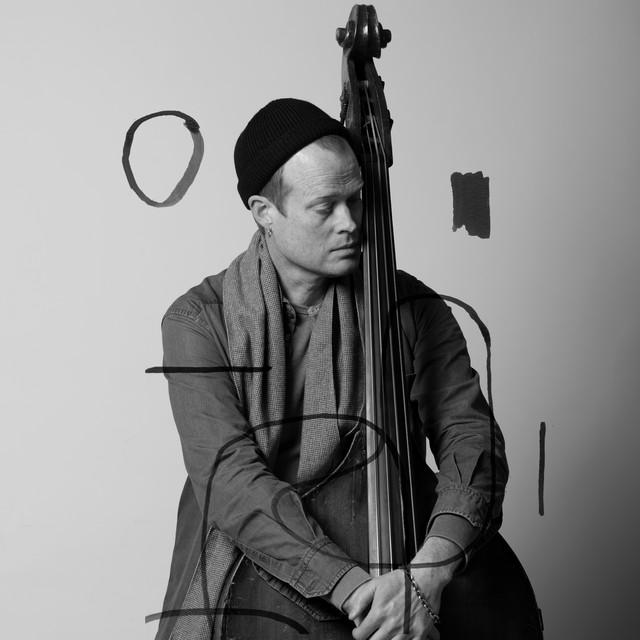
Roberto Di Gioia

Rock
Pop Rock
 Viberate Rank: 251116
 Viberate Rank: 251116
 Monthly ListenersFollowers
 Subscribers
 Followers
 Followers
 FansTop Spotify SongsTop YouTube VideosMonthly ListenersFeatured in Playlists
| Playlist | Followers | |
|---|---|---|
1 |  66 GREENE _BY.ALEXANDER | 395.68K |
2 |  Autism Calming Sensory Relaxing Music / Relaxing Music for Autism Relaxing Music Playlists | 36.86K |
3 |  Jazz Italia Spotify | 35.30K |
4 |  Relaxing Work Music Klangspot Recordings | 31.37K |
5 |  Modern Jazz David Lohner | 23.88K |
Audience| City | Monthly Listeners | |
|---|---|---|
1 |  | 1.66K |
2 |  | 1.45K |
3 |  | 931 |
4 | | 781 |
5 |  | 772 |
See full performance history, audience data, playlist activity, rankings, comparisons, and more in Viberate music analytics. Start with a free trial, then continue with a paid plan.
Roberto Di Gioia’s Spotify BioRoberto Di Gioia maintains a dual career as a performing pianist and a producer-songwriter, with a body of work that spans over three decades. Between 1990 and 2008, he was a member of Klaus Doldinger’s Passport, a tenure that ran parallel to concerts and recordings with jazz figures such as Art Farmer, Johnny Griffin, Gary Peacock, and Dave Holland.
As a bandleader, Di Gioia explores distinct sonic territories: from the spiritual jazz of his quartet Web Web (with Tony Lakatos) to the eclectic output of Marsmobil and his collaborative work with Peter Kruder, Shuko and Wigald Boning, among others.
Beyond the jazz sphere, Di Gioia has contributed to seminal records including The Notwist’s Neon Golden and MTV Unplugged sessions for both Udo Lindenberg and Max Herre. In the studio, his focus shifts to composition and production. His recent credits include writing and producing Joy Denalane’s Motown album Let Yourself Be Loved, alongside work for Till Brönner, DJ Hell, and many more. Whether… accompanying Charlie Watts or crafting textures for Console, Di Gioia operates fluidly across musical disciplines.
Viberate is a music analytics platform built for A&Rs, artist managers, labels, booking agents, marketers, and artists.
It helps music professionals track artist growth, analyze audience data, monitor playlist activity, compare artists, follow song performance, and identify opportunities across the music market.
Public artist pages provide a free preview of selected artist data. Paid plans provide access to deeper analytics, historical data, charts, comparisons, playlist tools, exports, alerts, reports, and additional professional features.
Yes. Public Viberate artist pages provide selected artist analytics and music data for free.
Viberate also offers a 7-day free trial of the full platform. A credit card is required to start the trial. The trial includes access to the complete product so users can test deeper artist analytics, historical views, playlist insights, comparisons, charts, exports, alerts, and reporting features before choosing a paid plan.
Viberate provides artist analytics across streaming, playlists, social media, video, radio airplay, songs, and audience markets.
Users can analyze Spotify performance, Spotify and Apple Music playlists, YouTube activity, TikTok and Instagram growth, radio spins, song performance, audience locations, demographics, rankings, and overall artist momentum.
Artist profiles also connect to music charts, similar artists, and comparison tools, helping users benchmark performance and evaluate artists in context.
Viberate updates key artist and track data daily.
For followed artists and tracks, selected data is refreshed multiple times per day. This helps teams monitor playlist changes, streaming movement, audience growth, releases, and campaign performance with more current data.
Update frequency can vary depending on the metric and data source.
Yes. Viberate lets users compare up to five artists side by side across streaming, social media, audience, and engagement metrics.
Users can compare fanbase growth, audience demographics, locations, Spotify performance, social metrics, and other artist data over selected time periods.
Artist comparison can be used for A&R scouting, benchmarking, booking decisions, campaign planning, and evaluating artists with similar audiences or market positions.