Robert Jon & the Wreck

Blues
Blues Rock
Alternative Rock
 Viberate Rank: 69353
 Viberate Rank: 69353
 Monthly ListenersFollowers
 Subscribers
 Followers
 Followers
 FansTop Spotify Songs
| Track | 7-Day Streams | |
|---|---|---|
1 | 5.01K | |
2 | 3.19K | |
3 | 3.19K | |
4 | 2.22K | |
5 | 1.68K |
Top YouTube Videos| Video | 7-Day Views | |
|---|---|---|
1 | 2.88K | |
2 | 2.74K | |
3 | 549 | |
4 | 527 | |
5 | 512 |
Monthly ListenersFeatured in Playlists| Playlist | Followers | |
|---|---|---|
1 |  Blues Roots Spotify | 1.07M |
2 |  Blue Ballads Spotify | 592.00K |
3 |  Modern Blues Rock Spotify | 276.73K |
4 |  Country🚜🪕 Aidan McLaren | 11.01K |
5 |  It's a Beautiful Morning Joshington Lauberton | 10.68K |
Audience| City | Monthly Listeners | |
|---|---|---|
1 |  | 709 |
2 |  | 706 |
3 |  | 416 |
4 |  | 382 |
5 | | 365 |
See full performance history, audience data, playlist activity, rankings, comparisons, and more in Viberate music analytics. Start with a free trial, then continue with a paid plan.
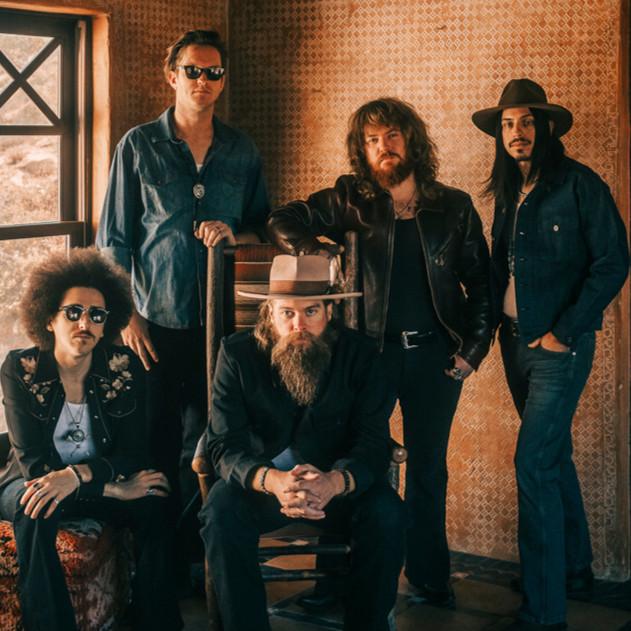
Robert Jon & the Wreck’s Spotify BioReigning from Southern California, Robert Jon & The Wreck take the Southern rock sound from the east coast and make it their own. Since their inception in 2011, these native Californians; Robert Jon Burrison (lead vocals, guitar), Andrew Espantman (drums, background vocals), Henry James Schneekluth (lead guitar, background vocals), Warren Murrel (bass) and Jake Abernathie (keyboards) have been electrifying audiences all over the world with their soaring guitar leads, rich vocal harmonies, and memorable tunes.
Little wonder they have made an impact on audiences across the world, where they’ve played a run of sold-out shows and proudly shared bills with talent the likes of Joe Bonamassa, Blackberry Smoke, Peter Frampton, Buddy Guy and Rival Sons. 2020’s ‘Last Light On The Highway’ garnered worldwide acclaim for the band and 2021’s ‘Shine A Light On Me Brother’ continued their upward trajectory, leading to a collaboration with Blues Rock Titan Joe Bonamassa’s Journeyman Records, which has… paved the way for even more new and exciting music. Most recently they released ‘One Of A Kind,’ a dynamic, multi-faceted EP, featuring material produced by GRAMMY-Award winners Don Was (Bonnie Raitt, The Stones, John Mayer) and Dave Cobb (Chris Stapleton, Brandi Carlile, Blackberry Smoke, Rival Sons). This year also saw the release of ‘Live At The Ancienne Belgique,’ their first official live concert, which Music News called, “one of the best live albums I have heard in years."
Viberate is a music analytics platform built for A&Rs, artist managers, labels, booking agents, marketers, and artists.
It helps music professionals track artist growth, analyze audience data, monitor playlist activity, compare artists, follow song performance, and identify opportunities across the music market.
Public artist pages provide a free preview of selected artist data. Paid plans provide access to deeper analytics, historical data, charts, comparisons, playlist tools, exports, alerts, reports, and additional professional features.
Yes. Public Viberate artist pages provide selected artist analytics and music data for free.
Viberate also offers a 7-day free trial of the full platform. A credit card is required to start the trial. The trial includes access to the complete product so users can test deeper artist analytics, historical views, playlist insights, comparisons, charts, exports, alerts, and reporting features before choosing a paid plan.
Viberate provides artist analytics across streaming, playlists, social media, video, radio airplay, songs, and audience markets.
Users can analyze Spotify performance, Spotify and Apple Music playlists, YouTube activity, TikTok and Instagram growth, radio spins, song performance, audience locations, demographics, rankings, and overall artist momentum.
Artist profiles also connect to music charts, similar artists, and comparison tools, helping users benchmark performance and evaluate artists in context.
Viberate updates key artist and track data daily.
For followed artists and tracks, selected data is refreshed multiple times per day. This helps teams monitor playlist changes, streaming movement, audience growth, releases, and campaign performance with more current data.
Update frequency can vary depending on the metric and data source.
Yes. Viberate lets users compare up to five artists side by side across streaming, social media, audience, and engagement metrics.
Users can compare fanbase growth, audience demographics, locations, Spotify performance, social metrics, and other artist data over selected time periods.
Artist comparison can be used for A&R scouting, benchmarking, booking decisions, campaign planning, and evaluating artists with similar audiences or market positions.