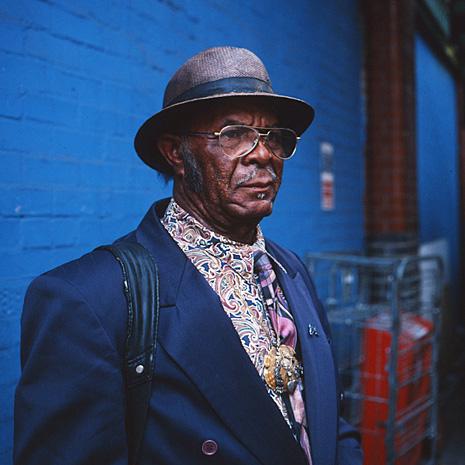
Robert Belfour

Blues
Classic Blues
Country Blues
 Viberate Rank: 291769
 Viberate Rank: 291769
 Monthly ListenersFollowers
 Subscribers
 Followers
 Followers
 FansTop Spotify Songs
| Track | 7-Day Streams | |
|---|---|---|
1 | 2.12K | |
2 | 784 | |
3 | 610 | |
4 | 238 | |
5 | 237 |
Top YouTube VideosMonthly ListenersFeatured in Playlists| Playlist | Followers | |
|---|---|---|
1 |  Keeping The Blues Alive Joe Bonamassa | 10.32K |
2 |  WWOZ 90.7 FM (New Orleans Radio) Bryson Whitney | 6.48K |
3 |  Not The Same Old Blues Crap Fat Possum Records | 5.62K |
4 | Gritty Bluesy Country Grass Rock Jeb Sprayberry | 4.93K |
5 |  Midnight Blues Helmut Neubauer | 3.81K |
Audience| City | Monthly Listeners | |
|---|---|---|
1 |  | 158 |
2 | | 155 |
3 | | 93 |
4 |  | 93 |
5 | | 86 |
See full performance history, audience data, playlist activity, rankings, comparisons, and more in Viberate music analytics. Start with a free trial, then continue with a paid plan.
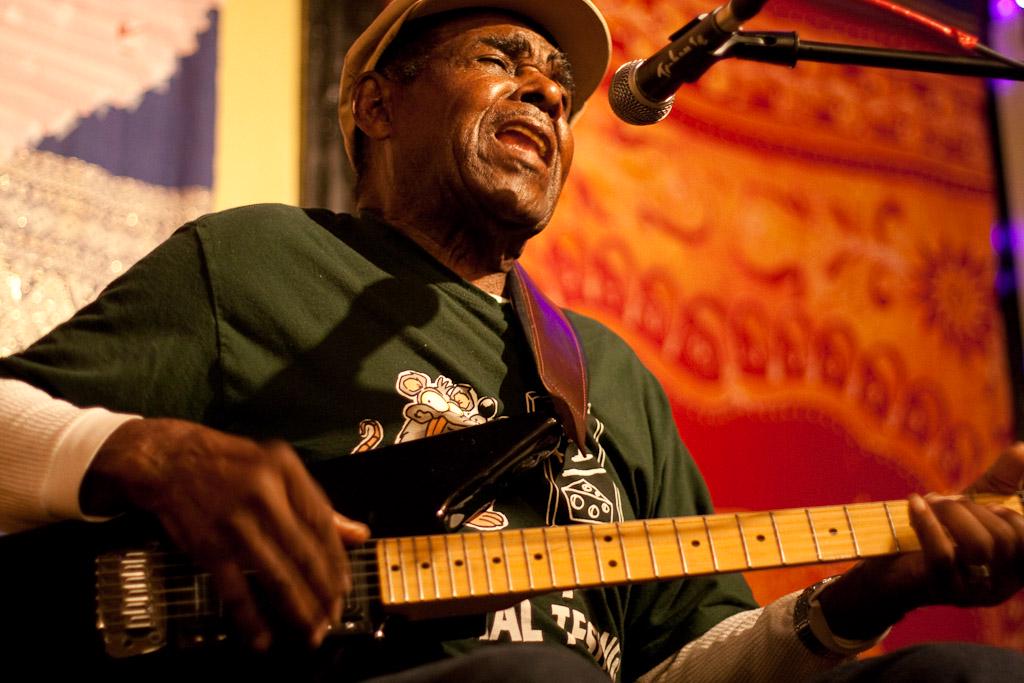
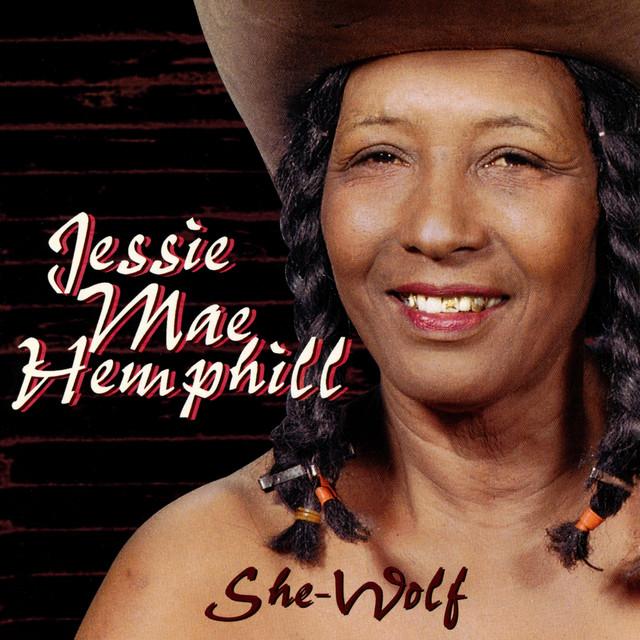
Robert Belfour’s Spotify BioRobert 'Wolfman' Belfour is a little-known but very powerful blues guitarist and singer based in Memphis, Tennessee. Born to sharecropper parents on a farm in Holly Springs, Mississippi, he began playing guitar in the late '40s after the death of his father who left the instrument to him. He learned by emulating the sounds of such greats as John Lee Hooker, Muddy Waters, and his idol, Howlin Wolf, as they were being broadcast on his mother's battery-operated radio. He was also influenced to some extent by his neighbor, Junior Kimbrough. Belfour's style is deeply-rooted in the sounds of his North Mississippi birthplace. It is a highly rhythmic and riff-oriented type of playing that can also be heard in the work of other players from the region, like Jessie Mae Hemphill, R.L. Burnside, and the late Fred Mcdowell.
Belfour moved to Memphis in 1968 and started playing on Beale street in the early 80s at the suggestion of his wife. He was recorded by musicologist David Evans in 1994 for the… German-based Hot Fox label, playing eight songs on a 20-song compilation, The Spirit Lives On, Deep South Country Blues and Spirituals in the 1990s. The record also features selections from veteran barrelhouse piano player and long-time Memphis resident Mose Vinson, who is also a native of Holly Springs. Although Belfour is virtually unkown in the United States, he makes yearly trips to Europe to perform for enthusiastic and very appreciative crowds who have a deep reverence for authentic country blues, releasing What's Wrong with You in mid-2000. ~ Keith Brown, Rovi
Viberate is a music analytics platform built for A&Rs, artist managers, labels, booking agents, marketers, and artists.
It helps music professionals track artist growth, analyze audience data, monitor playlist activity, compare artists, follow song performance, and identify opportunities across the music market.
Public artist pages provide a free preview of selected artist data. Paid plans provide access to deeper analytics, historical data, charts, comparisons, playlist tools, exports, alerts, reports, and additional professional features.
Yes. Public Viberate artist pages provide selected artist analytics and music data for free.
Viberate also offers a 7-day free trial of the full platform. A credit card is required to start the trial. The trial includes access to the complete product so users can test deeper artist analytics, historical views, playlist insights, comparisons, charts, exports, alerts, and reporting features before choosing a paid plan.
Viberate provides artist analytics across streaming, playlists, social media, video, radio airplay, songs, and audience markets.
Users can analyze Spotify performance, Spotify and Apple Music playlists, YouTube activity, TikTok and Instagram growth, radio spins, song performance, audience locations, demographics, rankings, and overall artist momentum.
Artist profiles also connect to music charts, similar artists, and comparison tools, helping users benchmark performance and evaluate artists in context.
Viberate updates key artist and track data daily.
For followed artists and tracks, selected data is refreshed multiple times per day. This helps teams monitor playlist changes, streaming movement, audience growth, releases, and campaign performance with more current data.
Update frequency can vary depending on the metric and data source.
Yes. Viberate lets users compare up to five artists side by side across streaming, social media, audience, and engagement metrics.
Users can compare fanbase growth, audience demographics, locations, Spotify performance, social metrics, and other artist data over selected time periods.
Artist comparison can be used for A&R scouting, benchmarking, booking decisions, campaign planning, and evaluating artists with similar audiences or market positions.