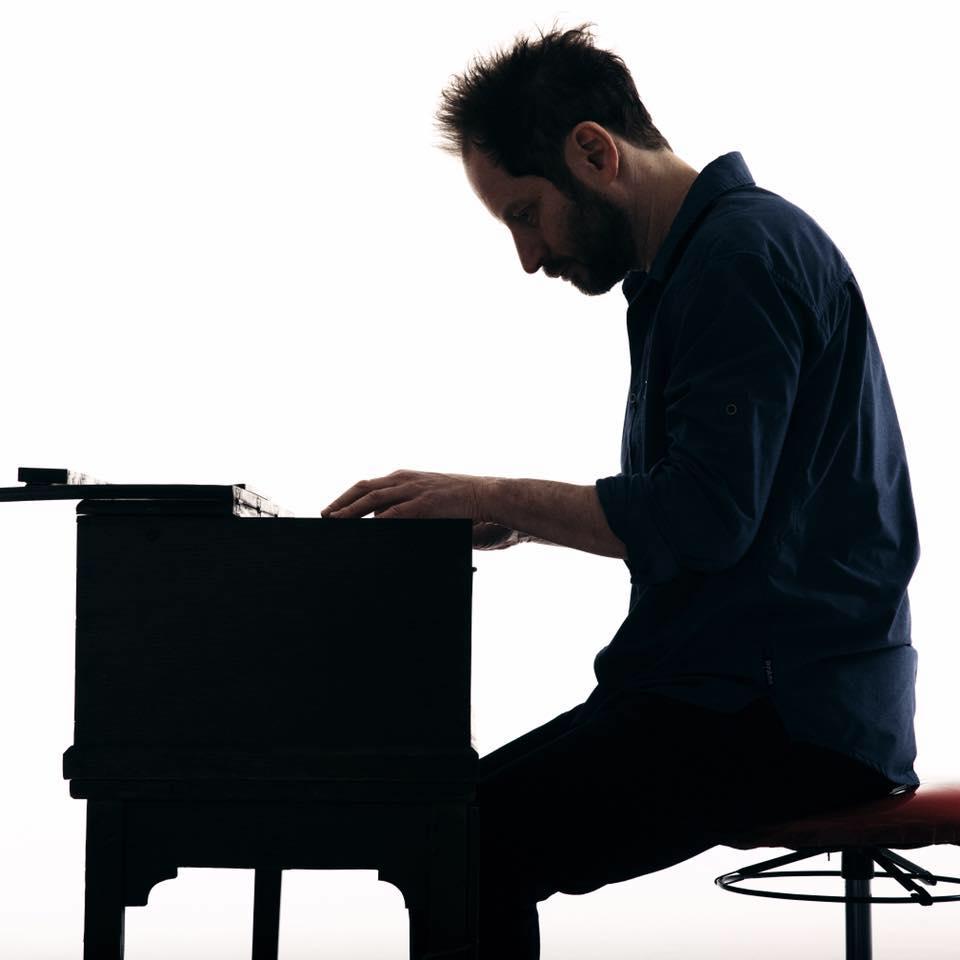
Rob Burger

Classical
Classical Crossover
Avant-garde Jazz
 Viberate Rank: 364152
 Viberate Rank: 364152
 Monthly ListenersFollowers
 Subscribers
 Followers
 Followers
 FansTop Spotify Songs
| Track | 7-Day Streams | |
|---|---|---|
1 | 1.37K | |
2 | 576 | |
3 | 355 | |
4 | 147 | |
5 | 43 |
Top YouTube VideosMonthly ListenersFeatured in Playlists| Playlist | Followers | |
|---|---|---|
1 |  Music for writing, study, flow and focus. Zoe Foster Blake | 35.20K |
2 |  Road Jamz #23 The War On Drugs | 8.91K |
3 |  Groove Salad / inspired by SomaFM - Chillout Downtempo Ambient beats Dmitriy 💁🏼♂️ | 7.67K |
4 | New music 2026 OOR | 7.51K |
5 |  Discovered Weekly eddershaw | 6.05K |
Audience| City | Monthly Listeners | |
|---|---|---|
1 |  | 119 |
2 |  | 119 |
3 |  | 89 |
4 | | 82 |
5 | | 69 |
See full performance history, audience data, playlist activity, rankings, comparisons, and more in Viberate music analytics. Start with a free trial, then continue with a paid plan.
Rob Burger’s Spotify BioRob Burger is a composer, multi-instrumentalist, and arranger based in Portland, Oregon. The productive, versatile musician co-founded the acclaimed chamber jazz group Tin Hat Trio, in which he mainly played accordion and keyboards, during the mid-'90s. During the 2000s, he began composing scores for documentaries and feature films, and he released two albums on John Zorn's Tzadik label. He has also played on albums by Norah Jones, Lucinda Williams, Tracy Chapman, Iron & Wine, and countless others. His third solo full-length, 2019's The Grid, took inspiration from Krautrock and ambient music. Marching with Feathers, an album of dreamy, minimal compositions, appeared in 2022.
Originally from New York, Burger began playing piano as a child, and was formally trained by pianist Jeffrey Marcus. He studied classical piano at Juilliard and explored different improvisational styles at the University of Massachusetts with Max Roach, Archie Shepp, and Yusef Lateef. He broadened his range to… include Hammond organ, vintage keyboards like the Optigan and Chamberlin, toy pianos, modern keyboards, and the accordion. After moving to the Bay Area, Burger worked with artists as diverse as Tipsy, Susana Baca, and Mix Master Mike; he became a member of the Oranj Symphonette and the Mark Orton project Old Joe Clarks. In the late '90s, he co-founded Tin Hat Trio with Orton, who plays guitar, and violinist Carla Kihlstedt. The group's music is a unique blend of structure, improvisation, and contemporary classical, with folk, world, and jazz elements. Tin Hat Trio's recording debut, Memory Is an Elephant, came out in early 1999 on Angel Records, and Helium (featuring a guest appearance from Tom Waits) followed in spring 2000.
In 2001, Burger moved back to New York and became a close associate of John Zorn, performing on many of his releases. Burger's first solo album, 2002's Lost Photograph, was released as part of Tzadik's Radical Jewish Culture series. Burger also appeared on the next two Tin Hat Trio albums, 2002's Rodeo Eroded (including a song sung by Willie Nelson) and 2004's Book of Silk. He subsequently left the group, which expanded its lineup to a quintet and henceforth became known as simply Tin Hat.
By this point, Burger had become an arranger and music director for live performances produced by Hal Willner, and he had begun composing soundtracks. An album of Burger's film music, City of Strangers, was released in 2009, with Marc Ribot and Eyvind Kang among its contributors. Throughout the 2010s, Burger continued to compose music for films and commercials, in addition to playing on albums by Beth Orton, Bob Weir, Rosanne Cash, and many others. In 2019, Burger's third solo album, The Grid, was issued by Western Vinyl. A reflective blend of modern classical and electronic music, the release included a guest appearance by longtime collaborator Laurie Anderson. Burger scored the short film Prophecy No. 15 in 2021. His fourth album, Marching with Feathers, appeared in 2022, including piano-driven ruminations as well as beat-driven pieces. ~ Heather Phares & Paul Simpson, Rovi
Viberate is a music analytics platform built for A&Rs, artist managers, labels, booking agents, marketers, and artists.
It helps music professionals track artist growth, analyze audience data, monitor playlist activity, compare artists, follow song performance, and identify opportunities across the music market.
Public artist pages provide a free preview of selected artist data. Paid plans provide access to deeper analytics, historical data, charts, comparisons, playlist tools, exports, alerts, reports, and additional professional features.
Yes. Public Viberate artist pages provide selected artist analytics and music data for free.
Viberate also offers a 7-day free trial of the full platform. A credit card is required to start the trial. The trial includes access to the complete product so users can test deeper artist analytics, historical views, playlist insights, comparisons, charts, exports, alerts, and reporting features before choosing a paid plan.
Viberate provides artist analytics across streaming, playlists, social media, video, radio airplay, songs, and audience markets.
Users can analyze Spotify performance, Spotify and Apple Music playlists, YouTube activity, TikTok and Instagram growth, radio spins, song performance, audience locations, demographics, rankings, and overall artist momentum.
Artist profiles also connect to music charts, similar artists, and comparison tools, helping users benchmark performance and evaluate artists in context.
Viberate updates key artist and track data daily.
For followed artists and tracks, selected data is refreshed multiple times per day. This helps teams monitor playlist changes, streaming movement, audience growth, releases, and campaign performance with more current data.
Update frequency can vary depending on the metric and data source.
Yes. Viberate lets users compare up to five artists side by side across streaming, social media, audience, and engagement metrics.
Users can compare fanbase growth, audience demographics, locations, Spotify performance, social metrics, and other artist data over selected time periods.
Artist comparison can be used for A&R scouting, benchmarking, booking decisions, campaign planning, and evaluating artists with similar audiences or market positions.